
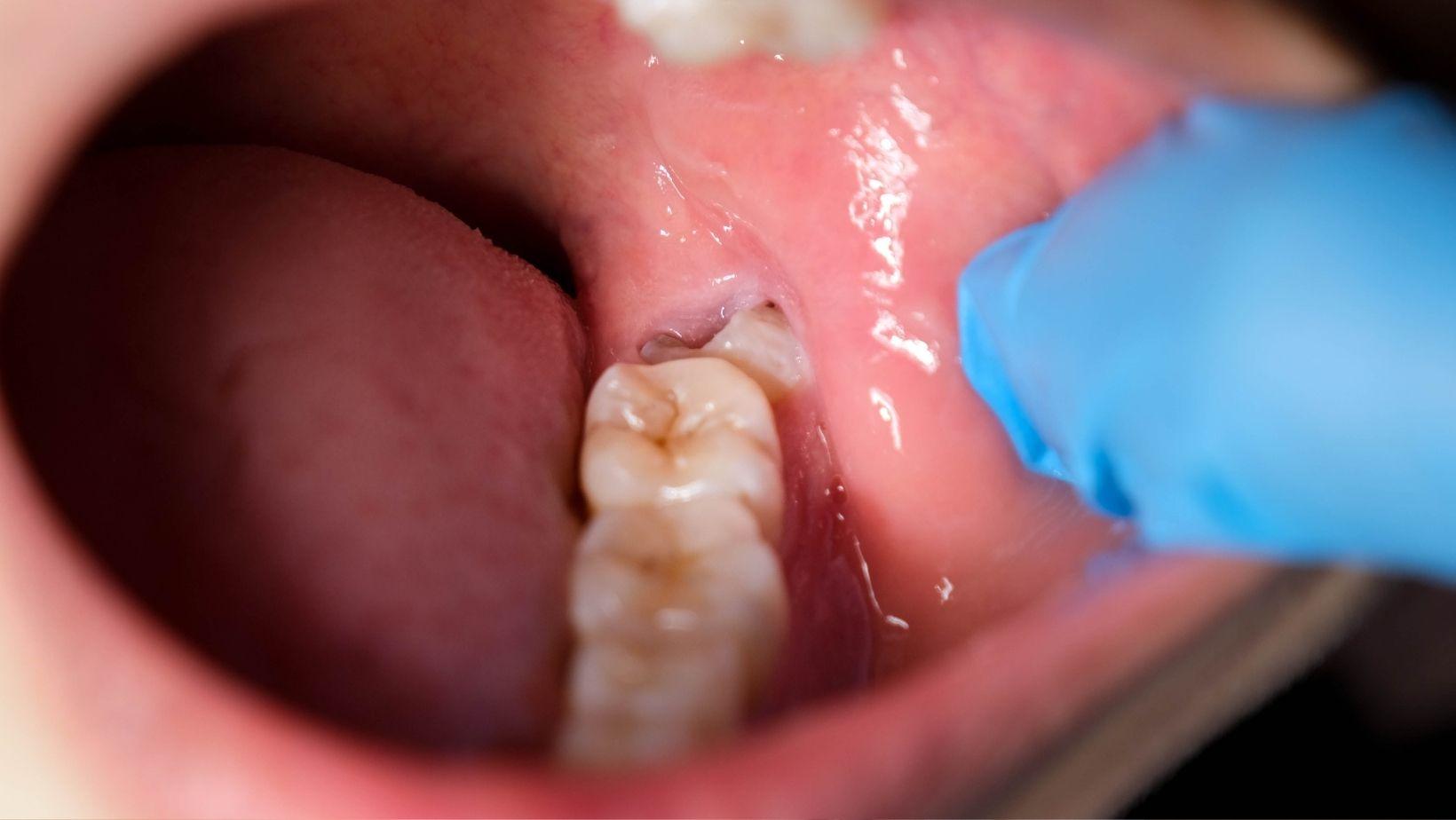
Wisdom teeth removal recovery usually follows a predictable pattern. Your comfort and healing depend on how well you protect the surgical sites. If you're scheduled for wisdom teeth removal in Brentwood, TN, knowing what to expect ahead of time can help you prepare for a smoother recovery.
You will learn what to expect after surgery. You will also learn how to care for your mouth day by day, and which foods and hygiene steps support healing.
You will learn to recognize warning signs, including symptoms that require prompt contact with your dental surgeon.
What To Expect After Surgery
Pain, swelling, limited jaw movement, and mild bleeding commonly develop during the first few days after extraction. Anesthetic effects usually fade within several hours.
Swelling often reaches its highest point around 48–72 hours before gradually improving.
Normal Symptoms And Their Timeline
During the first 24 hours, you may notice tenderness, light blood-tinged saliva, facial swelling, and mild bruising. Follow your oral surgeon’s instructions for pain medicine.
Keep gauze in place as directed, and avoid vigorous rinsing, spitting, smoking, and drinking through a straw because these actions can disturb the blood clot.
Swelling and discomfort commonly peak on days two or three. Your jaw may feel stiff, and chewing may remain difficult.
Apply cold packs during the first 24 hours, eat soft foods, and keep your head elevated while resting. After the first day, your surgeon may recommend gentle warm salt-water rinses.
By days four through seven, pain and swelling should gradually decrease. Contact your surgeon if pain worsens after improving, bleeding remains heavy, swelling continues to increase, or you develop fever, pus, trouble breathing, or difficulty swallowing.
How Anesthesia And Numbness Wear Off
Local anesthesia commonly leaves your lips, tongue, cheeks, and jaw numb for several hours. Avoid hot drinks and foods until normal sensation returns, and chew carefully to prevent biting or burning yourself.
Children and anyone who received sedation may need closer supervision until fully alert. As numbness fades, soreness often becomes more noticeable.
Take prescribed or recommended pain medicine according to your surgeon’s instructions rather than exceeding the stated dose. Do not drive, operate machinery, drink alcohol, or make important decisions while sedatives remain active.
Persistent numbness or tingling in your lower lip, chin, or tongue is uncommon but requires prompt advice from your oral surgeon, particularly if it lasts beyond the expected anesthetic period. Follow the specific discharge instructions you received, since the number and position of extracted teeth can affect recovery.
Day-By-Day Care Instructions
Protecting the blood clot, controlling swelling, and keeping the extraction sites clean support normal healing. Your diet, activity level, and oral hygiene should change gradually as tenderness and swelling improve.
The First 24 Hours
Keep firm pressure on the gauze for the time your surgeon recommends, usually about 30–60 minutes. Replace it with clean gauze if bleeding continues, but do not chew on it.
A small amount of oozing can occur during the first day. Rest with your head elevated and avoid strenuous activity, smoking, vaping, alcohol, and drinking through a straw.
These actions can disturb the blood clot and increase the risk of dry socket. Use a cold pack on the outside of your cheek for 15–20 minutes at a time, with breaks between applications.
Take prescribed or recommended pain medicine as directed. Eat cool, soft foods such as yogurt, applesauce, smoothies eaten with a spoon, and mashed potatoes.
Do not rinse forcefully, spit repeatedly, or brush directly over the extraction sites on the first day.
Days Two Through Three
Swelling and jaw stiffness often reach their highest levels around 48–72 hours after surgery. Continue cold packs during the first 24–48 hours if they help, then ask your dental professional whether gentle warmth is appropriate.
Keep resting and avoid exercise or heavy lifting. After the first 24 hours, rinse gently with warm salt water after meals and before bed, unless your surgeon gave different instructions.
Let the water fall from your mouth instead of forcefully spitting. Brush your other teeth carefully, avoiding the sockets and any sutures.
Choose soft foods that require little chewing, including eggs, oatmeal, pasta, soup that is not hot, and cottage cheese. Contact your dentist or oral surgeon if pain becomes severe or worsens after initially improving, especially if it radiates toward your ear or comes with a foul taste or odor.
Days Four Through Seven
Pain and swelling should generally begin to decrease during this period. You can gradually add foods that require more chewing, but avoid hard, sharp, sticky, or crumbly items such as chips, popcorn, nuts, and seeds.
Chew away from the extraction sites. Continue gentle salt-water rinses and careful brushing.
Do not pick at the sockets or pull on stitches. If your dentist used dissolvable sutures, they may loosen or disappear during this week; do not remove them yourself.
Many people can return to school or desk work within a few days, depending on the procedure and how they feel. Resume exercise gradually and stop if activity causes throbbing or renewed bleeding.
Follow any specific restrictions from your surgeon.
The Second Week And Beyond
The gum tissue continues closing during the second week, although deeper bone healing takes longer. Keep the extraction areas clean, particularly after eating, and follow your surgeon’s instructions about any irrigation syringe.
Use it only when directed, since starting too early or using excessive pressure can interfere with healing. You can usually return to a normal diet as comfort allows, but continue avoiding foods that become trapped in the sockets.
Do not smoke or vape until your dental professional confirms that healing has progressed sufficiently. Seek prompt dental advice for persistent or increasing pain, swelling that returns or worsens, fever, pus, difficulty swallowing or breathing, uncontrolled bleeding, or numbness that does not improve.
Contact your surgeon if a suture remains irritating or if the socket does not appear to be healing.
Food, Hydration, And Oral Hygiene
Choose foods that require little chewing, drink water regularly, and protect the blood clots in your extraction sites. As tenderness and swelling improve, gradually return to firmer foods while cleaning your mouth gently.
Safe Foods By Recovery Stage
First 24 hours: Choose cool or lukewarm, smooth foods such as yogurt, applesauce, pudding, blended soups, mashed potatoes, and protein shakes. Avoid hot foods, alcohol, carbonated drinks, seeds, nuts, and spicy ingredients.
Do not use a straw because suction can dislodge a clot.
Days 2–3: Add soft foods that require minimal chewing, including scrambled eggs, oatmeal, cottage cheese, bananas, pasta, and well-cooked vegetables. Drink water frequently, but take small sips.
Avoid foods that are crunchy, sticky, acidic, or crumbly, since they can irritate the sites or lodge in them.
Days 4–7: If pain and swelling are improving, try tender fish, shredded chicken, soft rice, and other easy-to-chew foods. Chew away from the extraction sites and stop if eating causes bleeding or increased pain.
Follow your surgeon’s specific instructions if your recovery differs.
Cleaning The Mouth Without Disturbing Clots
Do not rinse, spit forcefully, or brush directly over the extraction sites during the first 24 hours unless your oral surgeon gives different instructions. Brush the remaining teeth carefully with a soft-bristled toothbrush, keeping the bristles away from the wounds.
After 24 hours, gently rinse with warm salt water after meals: mix ½ teaspoon of salt with 8 ounces of water. Let the solution move around your mouth without vigorous swishing, then allow it to fall out rather than spitting forcefully.
Continue brushing twice daily, avoiding direct pressure on the sockets. If your surgeon provided an irrigation syringe, use it only when instructed, usually after the initial healing period.
Contact your dental professional if bleeding continues, pain worsens after improving, or you develop fever, pus, or increasing facial swelling.
Warning Signs And Follow-Up Care
Most discomfort, swelling, and limited jaw movement improve gradually during the first several days. You should know which symptoms need prompt dental advice and when you can safely resume work, exercise, driving, and normal eating.
When To Contact The Oral Surgeon
Contact your oral surgeon if pain becomes stronger after improving, especially around days 3–5, or if it spreads toward your ear or temple. This pattern may indicate dry socket.
You should also call if bleeding continues despite firm gauze pressure, swelling keeps increasing after the third day, or you develop a fever, worsening redness, pus, or a foul taste or odor. Seek urgent medical care for trouble breathing or swallowing, rapidly spreading facial or neck swelling, uncontrolled bleeding, or signs of a serious allergic reaction.
Numbness that persists or worsens also warrants prompt assessment. Attend any scheduled follow-up appointment, particularly if your surgeon used dissolvable or removable stitches.
Do not place aspirin directly on the wound, pick at the socket, or start antibiotics unless a clinician prescribes them.
Returning To Normal Activities
Many people return to desk work or school within 1–3 days. Your timing depends on the number of teeth removed, the difficulty of surgery, and your pain level.
Avoid strenuous exercise, heavy lifting, and repeated bending for several days. These activities can increase bleeding or throbbing.
Do not drive while taking prescription opioid pain medicine or while you feel affected by sedation. Resume driving only when you feel fully alert and can operate the vehicle safely.
Keep choosing soft foods until chewing feels comfortable. Gradually return to firmer foods, but avoid placing hard, sharp, sticky, or very hot foods near the extraction sites.
Continue gentle brushing and any prescribed rinses. Avoid forceful spitting or vigorous rinsing during the early healing period.