
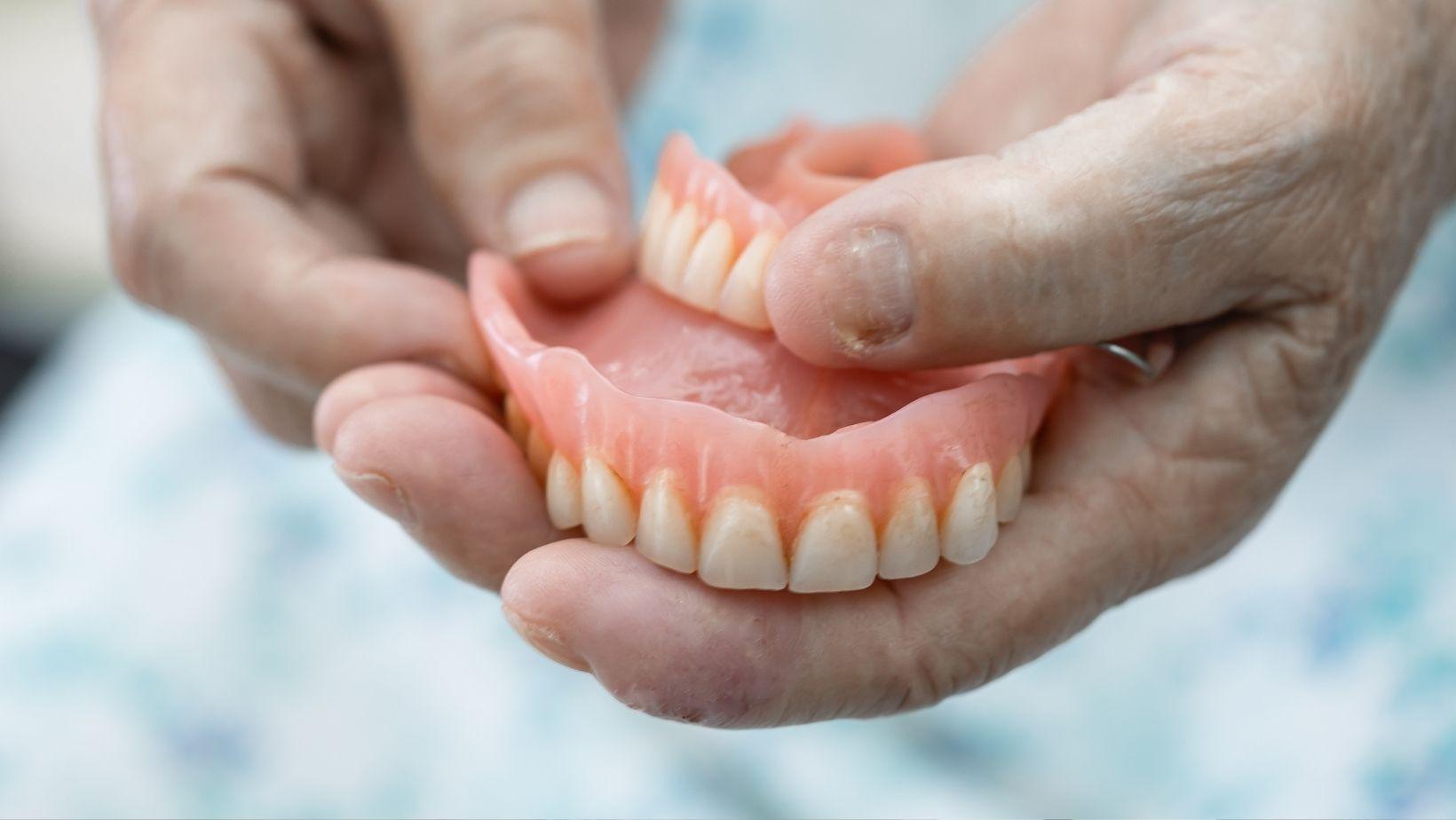
If traditional dentures slip, cause sore spots, or limit what you can eat, snap-in dentures may offer greater stability. These removable dentures attach to two or more dental implants, helping reduce movement while remaining removable for cleaning. If you’ve been wearing traditional dentures and are exploring snap-in dentures in Blaine, WA, switching is often more achievable than people expect.
In many cases, it is not too late to switch to snap-in dentures, even after years of wearing regular dentures. Your candidacy depends more on your jawbone, oral health, medical conditions, and ability to maintain the implants than on your age alone.
You’ll learn how providers evaluate candidacy, plan treatment, and estimate costs. You’ll also see how snap-in dentures compare with traditional dentures and fixed implant options.
Understanding Snap-In Dentures
Snap-in dentures attach to dental implants placed in your jaw, giving the prosthesis more stability than conventional removable dentures. Your eligibility depends on factors such as jawbone volume, gum health, medical conditions, hygiene, and your ability to maintain regular dental care.
How Implant-Supported Dentures Work
A dentist or oral surgeon places two to four implants, usually in the lower jaw and sometimes more in the upper jaw. After healing, the implants connect to small attachments, such as locator-style components, built into the underside of your denture.
You press the denture into place so it engages the attachments. You can remove it for cleaning and sleeping unless your provider gives different instructions.
Treatment often takes several months because the implants need time to bond with the surrounding bone. If you have significant bone loss, you may need a bone graft or another procedure before implant placement.
Your provider will assess X-rays, your medical history, medications, smoking status, and ability to clean around the implants. You must clean both the denture and the gum tissue around each implant.
The attachments and inserts can wear and require periodic replacement. The denture itself may need adjustment, repair, or replacement over time.
Key Differences From Traditional Dentures
Traditional dentures rest mainly on your gums and may shift during chewing or speaking, particularly as the jawbone changes after tooth loss. Snap-in dentures use implants for added retention, which can make them feel more secure and improve chewing for many people.
|
Feature |
Traditional dentures |
Snap-in dentures |
|
Support |
Gums and oral tissues |
Implants plus oral tissues |
|
Stability |
May move or loosen |
Usually resists more movement |
|
Removal |
Removable |
Removable for cleaning |
|
Surgery |
Not required for the denture |
Implant surgery is required |
|
Maintenance |
Denture care and adjustments |
Denture, implant, and attachment care |
|
Cost |
Generally lower initially |
Generally higher because of implants and procedures |
Snap-in dentures do not provide the same level of stability as a fully fixed implant bridge, which you cannot remove yourself. They also require adequate bone and healthy tissues, although age alone does not automatically rule you out.
A dental evaluation can determine whether your current dentures, bone condition, health, and goals support this option.
Age, Health, And Candidacy
Your age alone usually does not determine whether you can receive snap-in dentures. Dentists assess your medical history, medication use, jawbone, gums, ability to heal, and capacity to maintain daily oral hygiene.
Why Age Alone Is Not A Limitation
You may qualify for implant-supported dentures in your 60s, 70s, or beyond if you remain healthy enough for oral surgery and follow-up care. Dentists focus less on your birth date than on conditions that influence healing, anesthesia safety, bone support, and long-term implant maintenance.
Your evaluation may include a dental examination, medical history, imaging, and a review of your medications. You also need to manage cleaning around the implants and attend regular dental appointments.
If you need extractions, bone grafting, or treatment for gum disease, the process may take longer. Age alone does not automatically rule it out.
Medical Conditions That Affect Treatment
Certain health conditions can increase surgical or healing risks. Uncontrolled diabetes, active cancer treatment, severe immune suppression, and some bleeding disorders require careful coordination with your physician and dentist.
Your care team may need to stabilize the condition or adjust treatment before implant placement. Smoking can slow healing and raise the risk of implant complications.
Some medications, including certain drugs for osteoporosis, may affect jawbone healing, so you should provide your dentist with a complete medication list. Do not stop prescribed medication without medical guidance.
Your general ability to recover also matters. If you have significant heart or lung disease, your dentist may request medical clearance or modify anesthesia and surgical planning.
Bone Density And Gum Health
Implants need adequate bone volume and quality for stable support. Tooth loss can gradually reduce jawbone volume, but a 3D scan can show whether your bone can support implants.
If bone is insufficient, your dentist may discuss grafting, alternative implant placement, or a different denture design. Healthy gums also protect the tissues around implants.
Active gum disease should be treated before surgery because inflammation and poor hygiene can compromise implant support. Your dentist may recommend a professional cleaning, improved home care, and a maintenance schedule before proceeding.
You should report loose teeth, bleeding gums, persistent soreness, or changes in your bite. These problems may signal conditions that need treatment before you consider snap-in dentures.
Treatment Planning And Expected Benefits
Your plan depends on your jawbone volume, gum health, medical history, and goals. Implant placement, healing, and denture design must work together to provide reliable retention without creating unnecessary treatment or maintenance.
The Evaluation And Implant Placement Process
Your dentist or prosthodontist will examine your mouth, existing dentures, gums, bite, and jawbone. X-rays or 3D imaging can show bone height, nerve locations, sinus position, and the safest implant sites.
Your clinician may also review diabetes control, smoking, medications, osteoporosis treatment, and any conditions that could affect healing. If bone loss limits implant placement, you may need bone grafting or a different implant strategy.
Many lower snap-in dentures use two implants, while some treatment plans use four or more implants for added support. After the implants integrate with the bone, your provider connects them to attachments in the denture and adjusts the bite, fit, and appearance.
Stability, Comfort, And Daily Function
Snap-in dentures attach to implants rather than resting only on the gums. This usually reduces movement during speaking and chewing, particularly in the lower jaw.
You may find it easier to eat a broader range of foods, although you still need time to adapt and should begin with softer foods. The denture remains removable, so you can take it out for cleaning and sleep according to your provider’s instructions.
It does not feel identical to natural teeth, and some pressure or soreness can occur while your mouth adapts. A proper fit matters: persistent pain, clicking, looseness, or gum irritation requires an adjustment.
Healing Time And Long-Term Maintenance
Implants often need several months to bond with the jawbone before your provider completes the final denture. Your timeline may be longer if you need extractions, grafting, or treatment for gum disease.
Follow postoperative instructions carefully, attend review appointments, and avoid smoking because it can interfere with healing. You must remove and clean the denture daily and clean around the implants as instructed.
Attachment inserts can wear and may need replacement periodically, while the denture itself may require relining, repair, or replacement. Many dentures last about 10–15 years, but your habits, bite, fit, and maintenance affect their service life.
Costs, Alternatives, And Next Steps
Your choice depends on stability, removability, oral health, treatment time, and budget. A dental evaluation can show whether snap-in dentures suit your jawbone, existing dentures, medical history, and cleaning routine.
Comparing Fixed And Removable Options
Snap-in dentures attach to dental implants, commonly two to four per arch. You can remove them for cleaning, but the implants provide more stability than conventional dentures.
They may improve chewing and reduce movement, although they still require regular maintenance and periodic adjustment or replacement. Fixed implant bridges remain attached to the implants and generally feel more like natural teeth.
They can cost more, require sufficient bone and meticulous cleaning beneath the bridge, and may involve additional surgery. Conventional dentures cost less initially and avoid implant surgery, but they can move during eating and may require adhesive.
Your dentist might also discuss a partial denture, additional implants, bone grafting, or keeping healthy natural teeth. The best option depends on your anatomy and treatment goals rather than age alone.
Financial Considerations
In the United States, snap-in dentures often cost about $3,000 to $10,000 per arch, but fees vary widely. The estimate may include implants and the denture, or it may charge separately for examinations, imaging, extractions, temporary teeth, sedation, bone grafting, and follow-up visits.
Ask for a written, itemized estimate that separates surgical, laboratory, and restorative fees. Confirm whether the price covers adjustments, relines, repairs, and replacement components.
Dental insurance may provide limited benefits, while Medicare generally does not cover routine dental implants or dentures. Financing plans, dental discount programs, health savings accounts, and flexible spending accounts may reduce immediate costs, subject to their rules.
Avoid choosing solely by advertised price. An unusually low estimate may exclude procedures you need before implant placement.
Questions To Discuss With A Dental Professional
Ask how many implants you need, whether you require extractions or bone grafting, and how long healing may take. Request an explanation of the implant locations and the expected number of appointments.
Ask what you will wear while the final denture is being made. Discuss how your medications, diabetes, smoking, osteoporosis treatment, or history of gum disease could affect healing.
Ask how you should clean the denture and implants. Find out how often you need professional maintenance and what happens if an implant fails.
Also ask:
- What does the quoted fee include?
- Who will place the implants and make the denture?
- How long should each component last?
- What repair or replacement costs should you expect?
- What alternatives fit your budget and oral health?