
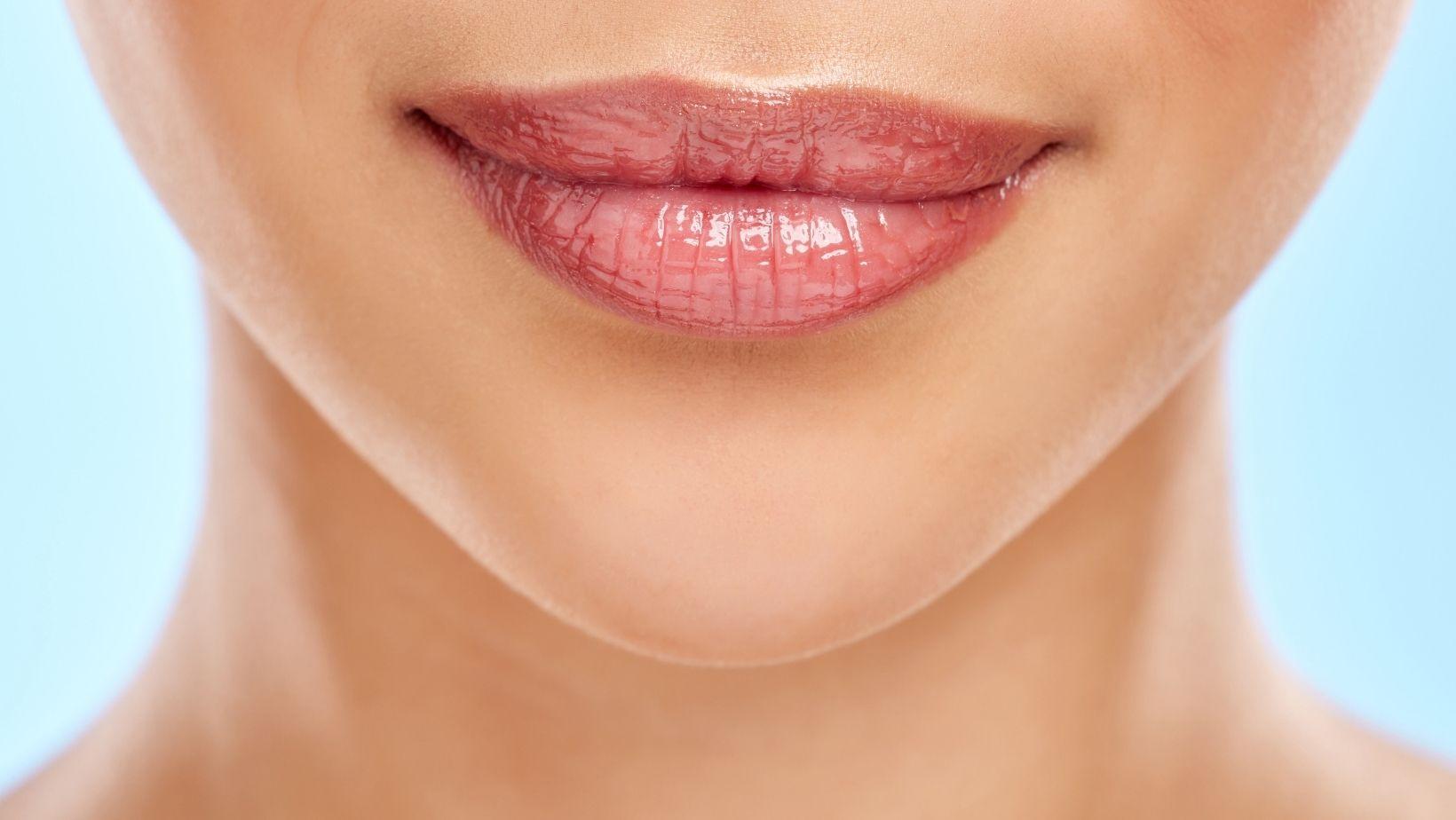
Your lip line and smile symmetry shape how your teeth relate to your face. A balanced smile does not require perfect symmetry; it requires thoughtful coordination between tooth position, lip movement, gingival display, and facial proportions. This kind of detailed facial and smile analysis is standard practice for a skilled cosmetic dentist in Pittsburgh, where treatment planning goes well beyond the teeth alone.
You can create a more natural, harmonious smile by evaluating the lip line and smile symmetry before choosing cosmetic treatments. Photographs, facial analysis, and observations of your lips at rest and during smiling help reveal whether changes to tooth length, alignment, gum display, or the occlusal plane will support your overall appearance.
A careful treatment plan balances measurable details with your natural expressions. Dentists use these findings to improve smile proportions without making the result look artificial or disconnected from your face.
Core Principles of Lip Line and Smile Symmetry
Your treatment plan should assess how the lips frame the teeth, how much tooth and gingiva appear during smiling, and whether the dental midline supports facial balance. Because lip movement changes with expression, evaluate both posed and natural smiles rather than relying on static measurements alone.
Lip Line Anatomy and Visibility
Your lip line describes the position of the upper lip relative to the teeth and gingiva during smiling. A low lip line may reveal only part of the crowns, while a high lip line can expose substantial gingiva.
Evaluate upper-incisor display at rest and during smiling, upper-lip length, lip mobility, tooth length, gingival contour, and the relationship between the incisal edges and the lower lip. A high smile line does not automatically indicate a dental problem.
Excessive gingival display may reflect altered passive eruption, vertical maxillary excess, short or hypermobile upper lips, or tooth and periodontal proportions. Your plan should identify the cause before selecting orthodontic movement, periodontal correction, restorative treatment, or orthognathic intervention.
Types of Smile Asymmetry
Smile asymmetry can involve the lips, teeth, gingiva, or the facial framework. One oral commissure may sit higher, the upper lip may curve unevenly, or one side may show more teeth or gingiva.
Dental causes include a tilted occlusal plane, uneven incisor exposure, asymmetric tooth position, or a shifted dental midline. Skeletal asymmetry and unequal muscle activity can produce similar visual effects.
During assessment, compare the commissures, canine lines, incisal edges, gingival margins, and occlusal plane. Photographs and video can reveal differences that disappear in a relaxed examination.
Treatment may improve dental asymmetry, but muscle-driven lip movement may require conservative expectations because orthodontic or restorative procedures cannot fully correct every soft-tissue discrepancy.
Facial Midline and Dental Reference Points
Use the facial midline as a reference, not as an isolated target. Establish it by examining stable facial landmarks, such as the bridge and tip of the nose, philtrum, and chin, while recognizing that these structures may not align perfectly.
Compare the maxillary dental midline with the philtrum and assess the mandibular midline separately. A small dental midline discrepancy may remain acceptable when the incisors are parallel, tooth proportions are balanced, and the smile arc is harmonious.
Greater concern arises when the midline shifts, the occlusal plane tilts, or the central incisors diverge from the facial reference. Record whether the discrepancy results from tooth position, arch asymmetry, skeletal deviation, or lip movement before planning correction.
Comprehensive Aesthetic Assessment
You assess lip position, tooth display, gingival exposure, facial proportions, and symmetry together rather than treating any feature in isolation. Static photographs establish measurable relationships, while dynamic observation shows how the lips and teeth function during smiling, speaking, and facial movement.
Static and Dynamic Smile Evaluation
Begin with a relaxed facial view, a natural posed smile, and a full, spontaneous smile. Compare upper-lip length, lip mobility, incisor display at rest, gingival display, smile arc, buccal corridors, and the relationship between the dental and facial midlines.
A high lip line may expose excessive gingiva, while a low lip line can conceal tooth structure and limit visible changes from whitening, veneers, or orthodontic alignment. Lip mobility matters because a smile that appears balanced at rest may become asymmetric during animation.
Assess symmetry at several levels: commissure height, upper-lip curvature, gingival margins, incisal edges, and tooth angulation. Minor dental discrepancies may become more noticeable when they conflict with facial midlines or uneven lip movement.
Photographic and Digital Smile Analysis
Use standardized photographs to reduce distortion and support comparisons during treatment. Capture frontal views at rest and in repose, a natural smile, a posed smile, profile views, and retracted intraoral images.
Keep head position, camera distance, lighting, and facial expression consistent. Photographs help you evaluate smile width, buccal corridors, lip line, smile arc, gingival contours, and symmetry.
Digital imaging can overlay facial and dental midlines, measure tooth proportions, and model proposed changes to tooth length, width, shade, or gingival display. Treat digital previews as communication and planning tools, not guarantees.
The final appearance depends on lip dynamics, soft-tissue response, tooth position, material limitations, and the patient’s ability to reproduce the recorded smile.
Patient Expectations and Facial Proportions
Relate cosmetic goals to the patient’s facial structure, lip dynamics, age, and natural tooth display. A treatment plan should preserve appropriate relationships among the lips, nose, chin, facial midline, gingival architecture, and visible tooth surfaces.
Ask which concerns matter most: uneven tooth edges, excessive gingival display, a tilted dental midline, dark spaces at the mouth corners, tooth color, or limited tooth show. Clarify whether the patient wants a subtle improvement or a more noticeable change, and explain which factors treatment can realistically modify.
Use proportional analysis to guide decisions without applying rigid formulas. Facial and dental symmetry should support the patient’s appearance, but small natural variations can look more appropriate than forced uniformity.
Applying Findings to Cosmetic Treatment Plans
You should evaluate the lip line and smile symmetry while the patient smiles naturally, not only when the teeth are retracted. Treatment planning must account for tooth display, gingival exposure, lip movement, facial midline, and the position of the oral commissures.
Veneers and Bonding Considerations
When planning veneers or composite bonding, use the lips as the primary visual frame for tooth length, width, and incisal-edge position. Photograph the patient at rest and during posed and spontaneous smiles to assess how the upper lip curves, how much tooth and gingiva appear, and whether the commissures rise evenly.
Avoid using facial or dental midlines as the sole reference. If the lower lip or smile line is asymmetric, a perfectly level incisal plane may appear tilted.
You may need subtle differences in tooth length, incisal-edge angulation, or composite contour to create a balanced appearance without producing visibly mismatched teeth. Evaluate phonetics, lip support, and function before preparing teeth.
Minimal-preparation bonding may suit small shape discrepancies, while veneers require careful planning when you need changes in color, proportion, or surface contour.
Orthodontic and Restorative Coordination
Orthodontic movement can improve tooth position, transverse balance, and the relationship between the dental and facial midlines. Before treatment, compare the occlusal plane with the eyes, nose, lips, and lower facial structures rather than relying on a single horizontal reference.
Coordinate orthodontic and restorative plans when tooth rotation, spacing, extrusion, intrusion, or uneven gingival levels affect the smile line. Orthodontic alignment may establish the correct foundation, while restorative treatment can refine tooth shape and contact points afterward.
Use standardized photographs, digital scans, and, when appropriate, video to assess smile dynamics. A static image may not show how lip mobility changes tooth display.
You should also preserve adequate enamel, maintain stable occlusion, and avoid moving teeth solely to correct an appearance that originates from lip asymmetry.
Gingival Contouring and Periodontal Planning
Gingival reshaping can improve uneven gingival margins, altered passive eruption, or excessive gingival display, but you must first identify the cause. Assess probing depths, gingival thickness, bone levels, tooth proportions, and the position of the cemento-enamel junction before selecting gingivectomy, osseous recontouring, or another periodontal approach.
Plan the gingival margin in relation to the upper lip curvature and adjacent teeth. The central incisors often require a controlled relationship with the canines and lateral incisors, but facial asymmetry may justify small, individualized differences rather than identical margin heights.
Coordinate periodontal treatment with provisional restorations or orthodontics when necessary. Allow appropriate healing before final impressions, and confirm that the new margins remain healthy, stable, and compatible with the patient’s smile movement.
Balancing Precision With Natural-Looking Results
Effective planning addresses visible imbalance without forcing every feature into exact symmetry. You should consider tooth display, lip movement, gingival exposure, facial proportions, and the way these elements change when you speak or smile.
When Symmetry Should Be Modified
You may benefit from treatment when asymmetry affects how your smile functions or appears in ordinary expressions. Examples include an uneven gum line, inconsistent tooth widths, a shifted dental midline, or one side of the upper lip lifting noticeably higher.
Your dentist should assess these features in relation to your facial midline rather than judging the teeth alone. Small differences often create a natural appearance.
Correcting them completely could make your smile look rigid or disproportionate, especially if your lips, jaw, or nose do not align perfectly. Treatment planning may therefore focus on visual balance instead of mathematical symmetry.
Your dentist might adjust tooth shape, alignment, gum contours, or lip support. Digital photographs, facial scans, and videos of your natural smile can help compare resting and animated expressions before selecting conservative changes.
Treatment Limitations and Informed Consent
Every treatment has limits. Veneers can alter tooth shape and apparent symmetry, but they cannot correct underlying jaw discrepancies or fully control lip movement.
Orthodontics can improve alignment. Periodontal procedures may reshape uneven gum margins.
Injectable treatments may influence muscle activity or lip position. Their effects remain temporary and variable.
You should receive a clear explanation of expected benefits, possible compromises, maintenance, and alternatives. Ask whether treatment requires enamel removal.
Find out how long results may last, and what happens if the result needs revision. Your dentist should also discuss risks such as sensitivity, gum irritation, bite changes, and uneven results.
Use approved photographs or digital previews as planning tools, not guarantees. Your consent should reflect realistic outcomes based on your anatomy, treatment goals, and tolerance for intervention.