
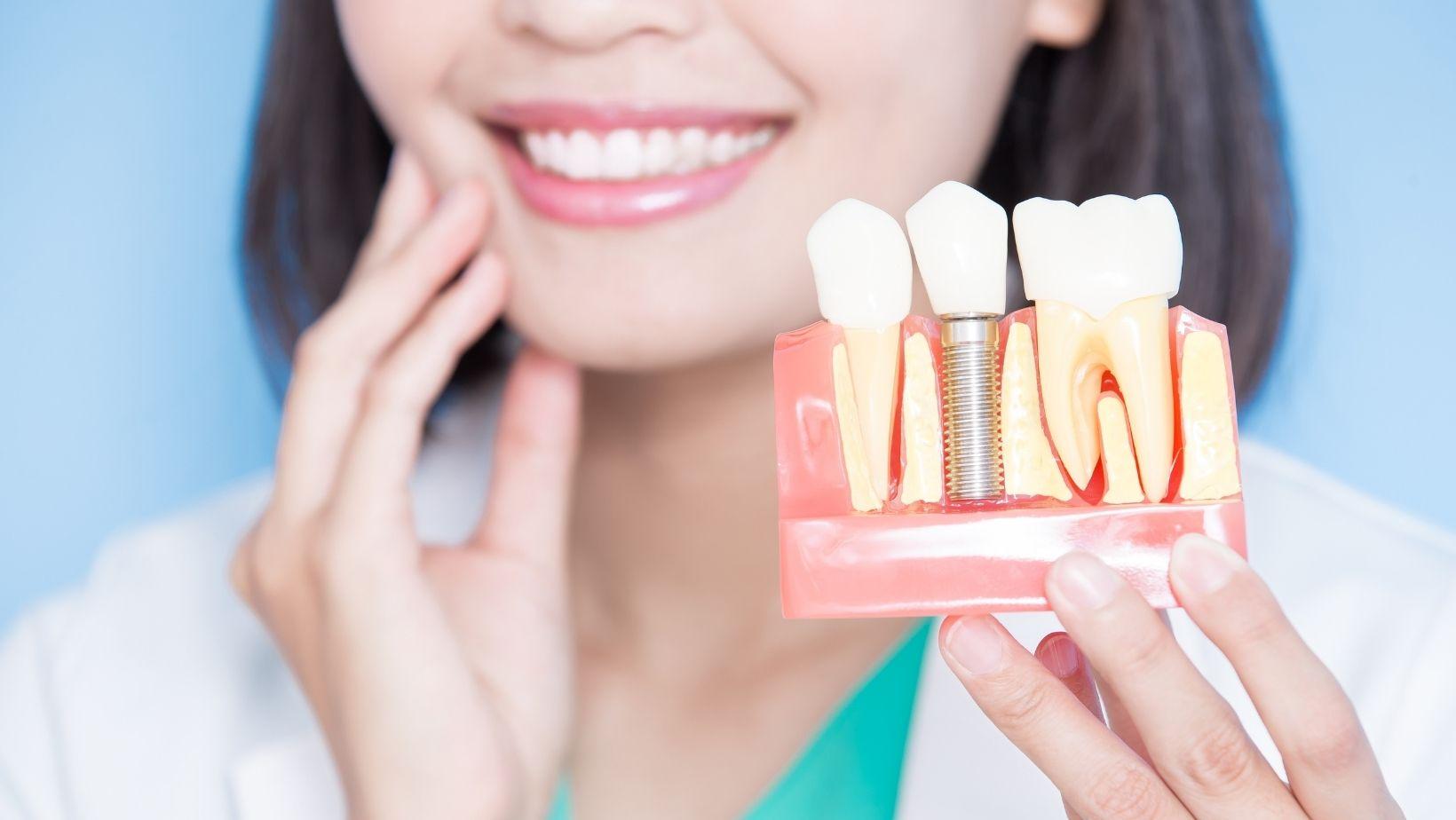
A dental implant replaces a missing tooth root with a titanium post designed to support a crown, bridge, or denture. Its stability comes from osseointegration, a healing process that allows your jawbone to grow into close contact with the implant surface. Understanding this process is often the first step for patients considering dental implants in Las Vegas, since the strength of the final restoration depends heavily on how well this healing occurs.
Your jawbone fuses with the titanium implant through osseointegration, creating a stable foundation for your replacement tooth. Treatment planning, precise surgical placement, and adequate healing time all influence this integration.
You'll learn how implant components work together. You'll also discover what happens during placement, how the implant heals before restoration, and which care habits help protect your result over time.
Implant Components And Jawbone Integration
A dental implant uses a biocompatible fixture, usually made from titanium, to create a stable foundation in your jaw. Your bone gradually grows into close contact with the fixture while healing and continuously adapts to the forces placed on it.
Titanium Biocompatibility
The implant fixture is the threaded portion placed inside your jawbone. An abutment connects the fixture to the visible crown, which replaces the tooth above the gumline.
Manufacturers often texture the titanium surface to increase contact with bone and support healing. Your body generally tolerates titanium well because the metal does not usually trigger the type of immune reaction associated with many foreign materials.
After placement, proteins and blood components coat the implant surface. Bone-forming cells called osteoblasts then attach near the surface and produce new mineralized bone.
Titanium does not literally dissolve into or become living bone. Instead, healthy bone forms direct, firm contact with the implant surface.
Smoking, uncontrolled diabetes, infection, poor oral hygiene, and insufficient bone volume can interfere with this process.
Osseointegration And Bone Remodeling
Osseointegration describes the direct structural connection between living bone and the implant surface. The process begins after surgery as a blood clot forms around the fixture.
Your body then removes damaged tissue, builds new bone, and strengthens the area over several months, commonly about three to six months. During healing, the implant must remain sufficiently stable.
Your dentist may limit chewing pressure on it or use a temporary restoration while the bone develops. Excess movement can disrupt early bone formation and contribute to implant failure.
After integration, your jawbone continues remodeling in response to chewing forces. Regular dental examinations help your clinician check the implant, surrounding gums, bone levels, and crown.
Good brushing, interdental cleaning, and professional maintenance reduce inflammation that could threaten the supporting bone.
Treatment Planning And Surgical Placement
Successful implant treatment depends on confirming that your mouth can support an implant, selecting the correct position, and allowing enough time for the implant to bond with the surrounding bone. Your dentist uses clinical findings and imaging to plan both the surgery and the final crown.
Oral Health Assessment
Your dentist examines your gums, remaining teeth, bite, and jawbone. Active gum disease, untreated decay, or an infection can compromise healing, so you may need treatment before implant surgery.
Your medical history also matters. Conditions such as uncontrolled diabetes, heavy smoking, or medications that affect bone metabolism may increase complications or delay healing.
A CBCT scan creates three-dimensional images of your jaw. It helps identify the available bone volume and the locations of nerves, sinuses, and nearby tooth roots.
Your dentist uses these findings to determine whether you need a tooth extraction, bone graft, or sinus lift before placement. Your treatment plan also accounts for the final restoration.
The planned crown’s size, position, and appearance guide the implant’s location, angle, and depth.
Implant Placement Procedure
After local anesthesia, your dentist makes a small opening in the gum and prepares a channel in the jawbone. The clinician then inserts the titanium implant post and closes the gum with sutures when necessary.
Computer-guided surgery may help transfer the planned position accurately, but the technique depends on your anatomy and treatment needs. The procedure often takes about 30–60 minutes per implant, although preparation and multiple implants can extend the appointment.
You may experience swelling, tenderness, or mild bleeding afterward. Follow your dentist’s instructions about cleaning, diet, medications, and physical activity.
The implant remains beneath or level with the gum while osseointegration develops. During this healing phase, your jawbone grows into close contact with the titanium surface.
Healing commonly takes three to six months, but your dentist determines when the implant can support an abutment and permanent crown.
Healing, Restoration, And Long-Term Care
Your implant needs time to stabilize as bone grows around its surface. During this period, careful hygiene, scheduled checkups, and staged restoration help protect the implant and surrounding tissues.
Healing Timeline And Abutment Placement
After placement, your gums may remain tender or swollen for several days. Follow your dentist’s instructions about cleaning, prescribed medication, physical activity, and diet.
Avoid smoking because it can impair healing and increase the risk of implant complications. The jawbone typically needs three to six months to integrate with the titanium implant, although timing varies with bone quality, implant location, general health, and whether you needed bone grafting.
Your dentist may use examinations and imaging to confirm stability before continuing treatment. Once integration is adequate, your dentist exposes the implant if necessary and attaches an abutment, the connector between the implant and crown.
Your gum tissue may need several weeks to heal around it before the final crown is fitted. Do not chew hard foods on the healing area unless your dental team confirms that it can withstand normal force.
Crown Attachment And Maintenance
Your dentist takes impressions or digital scans to design a crown that matches your bite, tooth color, and surrounding teeth. The crown attaches to the abutment with dental cement or a screw.
Your dentist then checks its fit, contacts, and bite to reduce pressure on the implant and neighboring teeth.
Clean the crown and gumline twice daily with a soft-bristled toothbrush and fluoride toothpaste. Use floss, interdental brushes, or an oral irrigator as your dentist recommends.
Do not use metal instruments around the implant unless a dental professional directs you to do so.
Attend regular examinations and professional cleanings. Report bleeding, swelling, persistent discomfort, a bad taste, or looseness promptly.
These symptoms can indicate inflammation or a mechanical problem.
Avoid using your implant to open packages or bite unusually hard objects. Wear a prescribed night guard if you grind your teeth.