
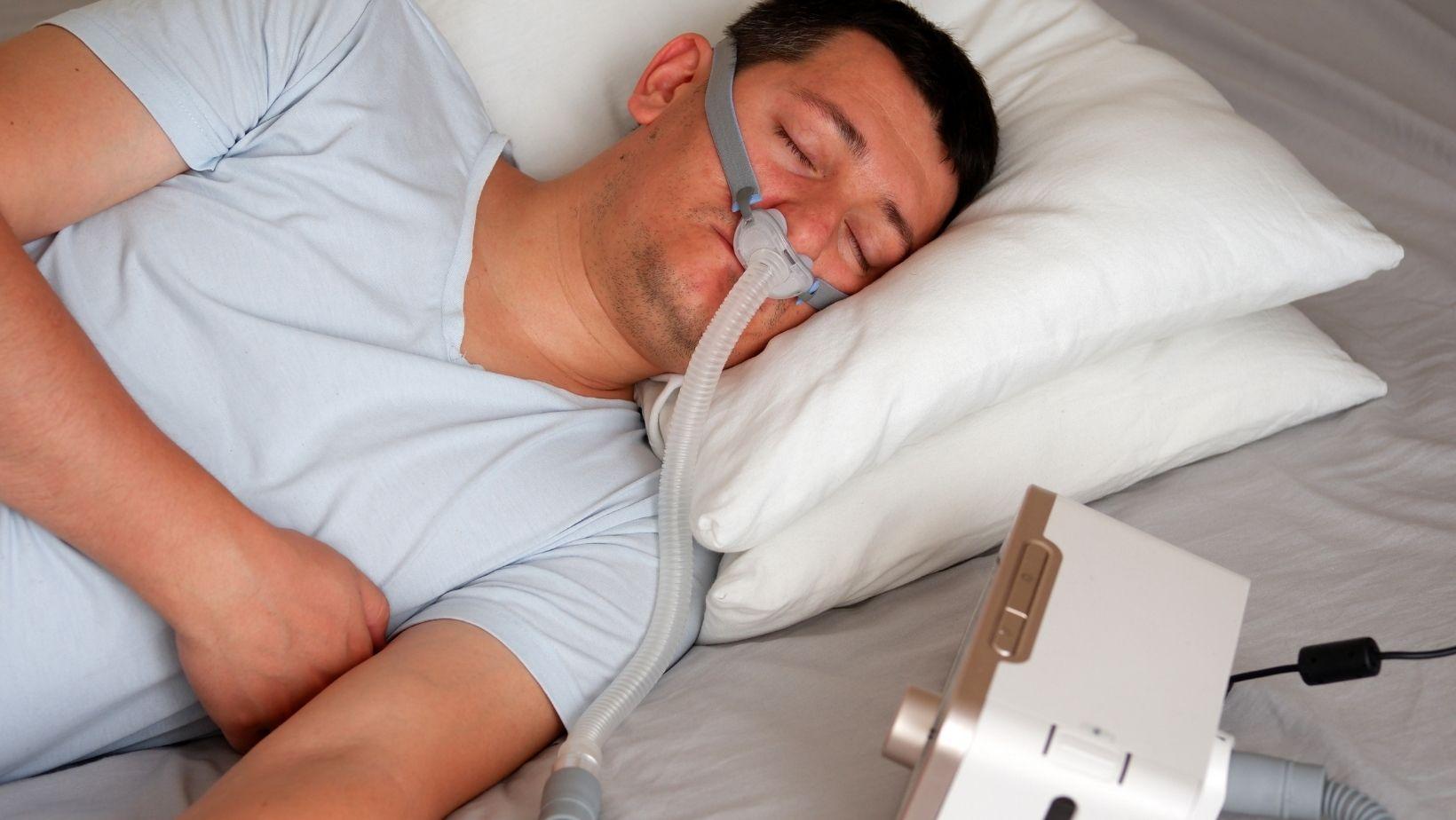
If CPAP feels uncomfortable, noisy, or difficult to use consistently, you may consider oral appliance therapy. This approach uses a custom dental device to move your jaw or tongue forward, helping keep your airway open while you sleep. Many patients exploring sleep apnea treatment in West Seneca, NY turn to this option specifically because CPAP hasn't worked well for them.
You may switch from CPAP to an oral appliance when you cannot tolerate CPAP or struggle to use it regularly. A qualified clinician should confirm that the appliance controls your sleep apnea.
Your apnea severity, dental health, jaw structure, and treatment goals all affect whether this option suits you. You will also need follow-up care and, in many cases, repeat sleep testing to verify that the appliance works.
How CPAP and Oral Appliances Treat Sleep Apnea
CPAP uses pressurized air to keep your upper airway open while you sleep. An oral appliance changes the position of your jaw or tongue to reduce airway collapse, making it a different treatment approach rather than a smaller version of CPAP.
Airway Support Mechanisms
CPAP delivers continuous positive airway pressure through a mask connected to a machine. The pressure acts as a pneumatic splint, preventing the throat from narrowing or closing during sleep.
Your clinician adjusts the pressure based on sleep-study findings or device data. CPAP generally reduces obstructive breathing events more reliably, particularly when your sleep apnea is moderate or severe.
A custom mandibular advancement device fits over your teeth and holds your lower jaw slightly forward. This can enlarge the space behind your tongue and increase tension in tissues that help keep the airway open.
A tongue-retaining device uses gentle suction to hold your tongue forward instead. Your dentist adjusts the appliance gradually, and follow-up testing can show whether it controls your breathing events.
Who May Be Eligible for Each Option
You may receive a CPAP recommendation if you have moderate to severe obstructive sleep apnea, frequent oxygen desaturation, significant daytime symptoms, or conditions such as hypertension that make effective treatment especially important. CPAP may also suit you if you need the most consistent reduction in airway obstruction and can use a mask comfortably.
You may qualify for a custom oral appliance if you have mild to moderate obstructive sleep apnea, prefer an alternative to CPAP, or cannot tolerate CPAP despite troubleshooting. A sleep physician should confirm the diagnosis and treatment plan, while a qualified dentist evaluates your teeth, jaw joints, and ability to use the device safely.
Follow-up sleep testing helps verify its effectiveness.
Common Reasons Patients Consider a Different Therapy
CPAP can control obstructive sleep apnea effectively, but comfort and consistency affect its success. Mask fit, device-related disturbances, and the practical demands of carrying equipment may lead you to discuss an oral appliance with a qualified sleep physician and dentist.
Mask Discomfort and Claustrophobia
A CPAP mask can cause pressure on your nose, cheeks, or upper lip, particularly if the fit is too tight or the cushion does not match your facial structure. Leaks may dry your eyes, make noise, and require repeated adjustments during the night.
Skin irritation and pressure marks can also develop with regular use. Some people feel confined by the mask or become more aware of the airflow when they lie down.
You may benefit from trying a different mask style, adjusting the fit, or using coaching to build tolerance before changing treatment. If these steps do not help, a custom oral appliance may offer a less noticeable option, especially when you have mild to moderate obstructive sleep apnea or cannot tolerate CPAP.
Follow-up testing should confirm that the appliance controls your breathing events.
Noise, Dryness, and Sleep Disruption
CPAP machines operate quietly, but the motor, airflow, or a mask leak may still disturb your sleep or your partner’s sleep. Pressurized air can also cause nasal congestion, dry mouth, sore throat, or irritation.
A humidifier, heated tubing, nasal treatment, and correct mask fit may reduce these effects. If you continue waking because of dryness, leaks, or equipment adjustments, you may question whether you can use CPAP for the entire night.
An oral appliance avoids a mask, hose, and pressurized airflow, but it can cause jaw discomfort, tooth movement, bite changes, or excess saliva in some users. A qualified dentist must assess whether your teeth and jaw can support the device, and your clinician should verify its effectiveness with follow-up evaluation.
Travel and Daily Convenience
CPAP treatment requires you to pack the machine, tubing, mask, power supply, and replacement supplies. Although travel-sized devices exist, airport security, limited outlets, and unfamiliar sleeping arrangements can make consistent use harder.
You may also find setup and cleaning inconvenient during frequent work or personal travel. A custom oral appliance fits in a small case and does not require electricity, making it simpler for many trips.
Some patients use CPAP at home and an appliance while traveling, while others consider a complete transition after discussing their results with a clinician. You should not switch solely for convenience: untreated or undertreated apnea can continue to affect sleep and health, so follow-up testing remains important.
Effectiveness, Limitations, and Follow-Up Care
CPAP usually lowers breathing interruptions more reliably, while an oral appliance may provide better day-to-day use for some patients. Your treatment choice should account for apnea severity, comfort, dental health, treatment response, and continued follow-up.
Comparing Treatment Outcomes
CPAP remains the more effective option for reducing the apnea-hypopnea index (AHI), oxygen drops, and airway obstruction in many patients. It often provides the strongest control for severe obstructive sleep apnea, particularly when low oxygen levels or significant cardiovascular risk factors are present.
A custom mandibular advancement device can work well for mild to moderate OSA and for some patients with severe disease. It advances your lower jaw to help keep the airway open, but it may not eliminate breathing events as consistently as CPAP.
Its practical benefit can increase if you wear it more regularly than you used CPAP. Your clinician should compare objective results, not just how rested you feel.
Persistent snoring, daytime sleepiness, morning headaches, or witnessed pauses may indicate incomplete treatment even when the appliance feels comfortable.
Dental Side Effects and Bite Changes
Oral appliances can cause temporary jaw soreness, tooth discomfort, dry mouth, excess saliva, or gum irritation. These effects often improve as you adjust, but you should report persistent pain, difficulty chewing, or jaw locking to your dentist or sleep specialist.
Long-term use may gradually change your bite or tooth position. You might notice altered contact between your upper and lower teeth, changes in the way your teeth meet, or difficulty returning your jaw to its usual position after removing the device.
Regular dental examinations can identify these changes early. A qualified dentist should fit and adjust a custom, titratable appliance rather than relying on an unsupervised device.
Follow cleaning instructions, inspect the appliance for wear, and do not advance the jaw position beyond the prescribed setting.
Sleep Testing and Ongoing Monitoring
You need follow-up testing after the appliance reaches its prescribed position. A home sleep apnea test or in-laboratory study can determine whether your AHI, oxygen saturation, and snoring have improved during actual use.
Symptoms alone cannot confirm adequate control. Your clinician may gradually adjust the device if breathing events remain elevated.
Excessive advancement can increase jaw discomfort and dental side effects. Keep appointments with both your sleep clinician and dentist to review treatment data, appliance fit, bite changes, and symptoms.
Repeat evaluation may become necessary if you gain or lose substantial weight or develop new medical conditions. Evaluation is also needed if you experience recurrent sleepiness or notice worsening snoring.