
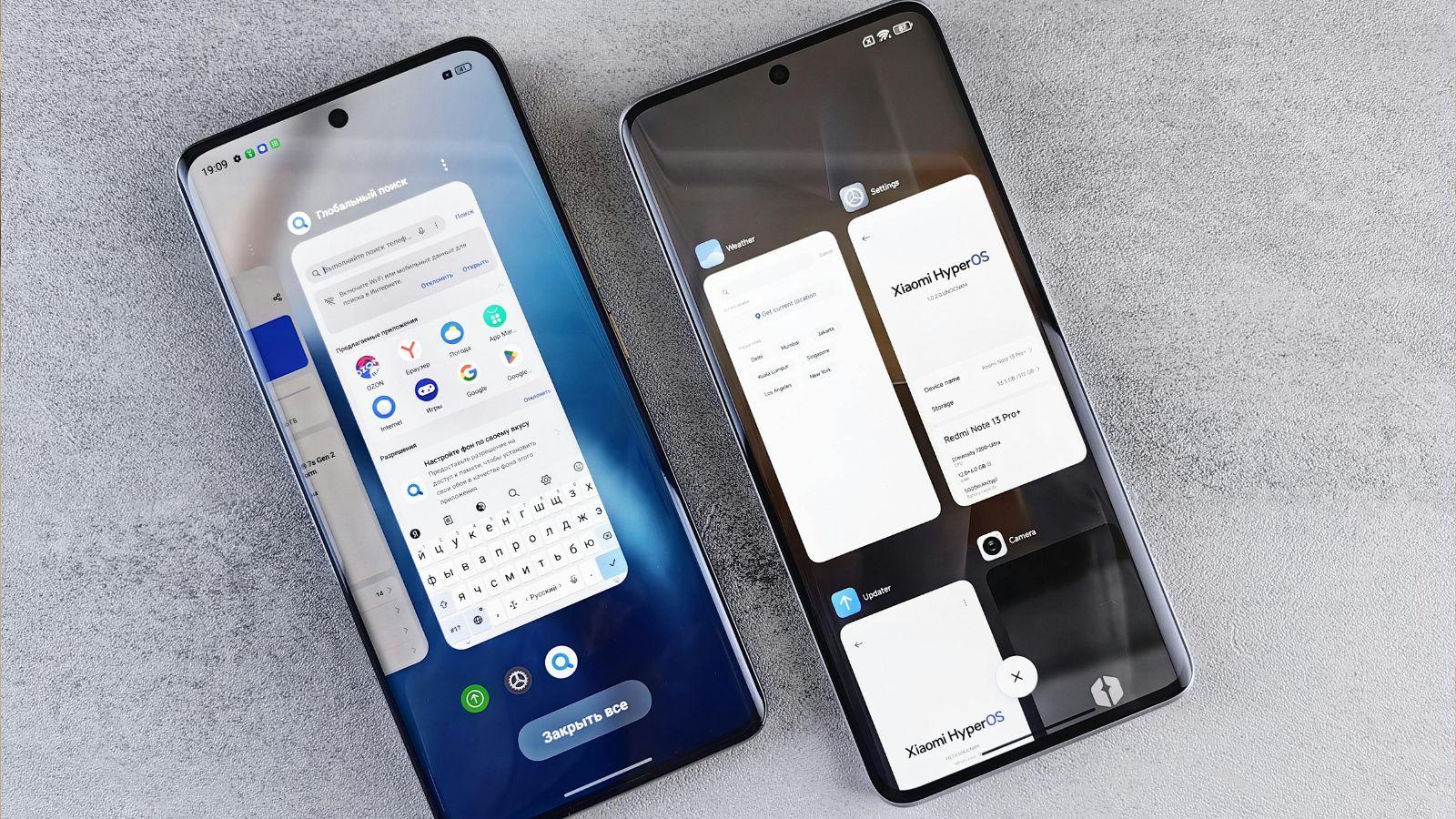
Buying a new smartphone feels exciting, but one rushed decision can lock you into a device you regret for years. Brands push flashy features, and it’s easy to get distracted by marketing buzzwords. To choose wisely, you need a simple checklist that focuses on real-world use, not just specs on paper. This guide walks through the key points you should check before buying a smartphone: your needs, budget, performance, camera, battery, software, and future-proof features. Use it to compare models side by side and buy a phone that truly fits your life and wallet.
Define Your Needs, Budget, and Usage Priorities
Identify Your Daily Usage and Essential Features
Start with how you actually use a smartphone each day. List your top tasks: social media, gaming, photos, videos, work apps, or simple calls and messages. Heavy gamers and multitaskers need stronger processors and more RAM. Content creators want better cameras and storage. Travelers may prioritise battery life, dual SIM, and reliable navigation. If you stream a lot, a good display and fast data matter more. Decide which features you can’t compromise on and which are nice to have. This clear priority list helps you filter endless models and stop overpaying for features you rarely touch.
Set a Budget and Compare Value for Money
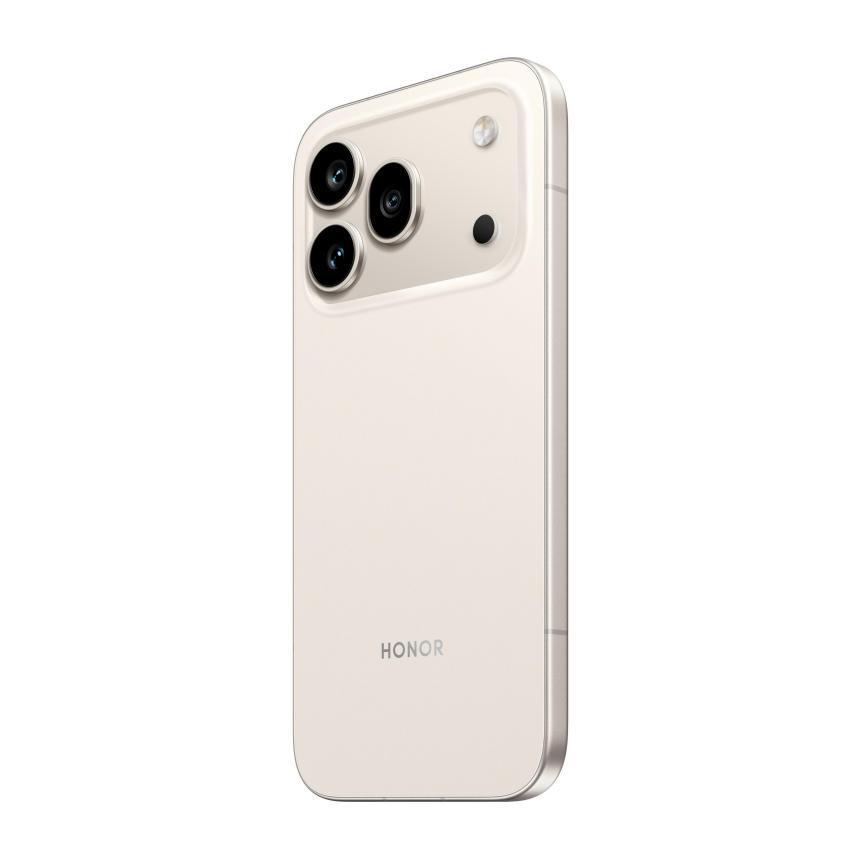
Once you know your needs, set a realistic budget range instead of a single number. Decide how much you’re comfortable spending and whether you’ll buy outright, on EMI, or via carrier plans. Then compare what each price segment offers: entry-level, mid-range, and flagship. Many mid-range phones now deliver strong performance, decent cameras, and long battery life at lower prices. Check discounts, exchange offers, and bank deals, but don’t let them push you beyond your needs. Focus on value for money: balance performance, durability, and long-term software support, not just the lowest upfront price, and consider options like the honor 600 pro price when comparing similar devices.
Evaluate Core Smartphone Specifications Carefully
Performance, RAM, and Storage Capacity
Performance controls how smooth your phone feels every day. Look at the processor (chipset) first. Recent mid-range or flagship chipsets usually handle multitasking and gaming well. For light use, 4–6 GB RAM works; for gaming, heavy apps, or long-term use, 8 GB or more is safer. Storage fills faster than you expect, especially with photos, apps, and offline downloads. Aim for at least 128 GB if you take many photos or videos. Check if the phone supports expandable storage via microSD, or rely on cloud storage if needed.
Camera Quality, Display, and Battery Life
Don’t judge cameras by megapixels alone. Look at real photo samples, reviews, and features like optical image stabilization, night mode, and ultra-wide lenses. A phone that takes consistent photos in low light usually matters more than huge sensor numbers. For the display, check size, resolution, and refresh rate. Full HD or higher with a 90Hz or 120Hz display feels smoother. AMOLED or OLED panels deliver deeper blacks and better contrast. Battery life can make or break your experience, so look for at least 4,500–5,000 mAh with efficient software and fast charging that suits your daily schedule.
Build Quality, Design, and Durability
A smartphone stays in your hand for hours daily, so design and durability matter. Check the material: plastic, glass, or metal frames, each feels different in the hand. Slim and light phones feel good, but often sacrifice battery or durability. See if the phone has Gorilla Glass protection and any official IP rating for water and dust resistance. Button placement, fingerprint sensor location, and weight affect daily comfort. Also consider grip and slipperiness; glossy glass looks premium but slips easily. Before buying, think about using a case and screen protector to extend your phone’s life.
Check Software, Connectivity, and Long-Term Value
Operating System, Updates, and Ecosystem Compatibility
Your operating system shapes your entire experience. You can decide which operating system to choose based on the applications you use most frequently, your personal usage habits, and the other electronic devices you currently own. Choose one that feels clean and responsive. Check the promised years of operating system updates and security patches; longer support means your phone stays safe and fresh. Consider ecosystem benefits too. If you use a smartwatch, tablet, laptop, or earbuds from a specific brand, sticking within that ecosystem can give you seamless syncing, shared services, and useful cross-device features that improve daily use.
Network Support, 5G, and Additional Features
Reliable connectivity is essential. Confirm the phone supports your carrier’s main 4G and 5G bands in your region, especially if you travel or plan to keep the phone for several years. Dual SIM support can help separate work and personal life. Check Wi‑Fi versions, Bluetooth 5.x, NFC for contactless payments, and GPS accuracy. Extra features often improve convenience: stereo speakers, headphone jack, expandable storage, wireless charging, and an IR blaster or dedicated microSD slot. Make a shortlist of these secondary features, rank them by importance, and use them as tiebreakers when comparing similar phones.
Conclusion
Buying a smartphone becomes much easier when you follow a clear checklist instead of chasing hype. Start by defining your daily usage, essential features, and budget range. Then evaluate performance, RAM, storage, camera quality, display, and battery with your priorities in mind. Don’t ignore build quality, software support, network compatibility, and useful extras that shape your long-term experience. Compare a few shortlisted models side by side, read recent user reviews, and if possible, test them in-store. With this structured approach, you avoid costly mistakes and choose a smartphone that feels right from day one.