
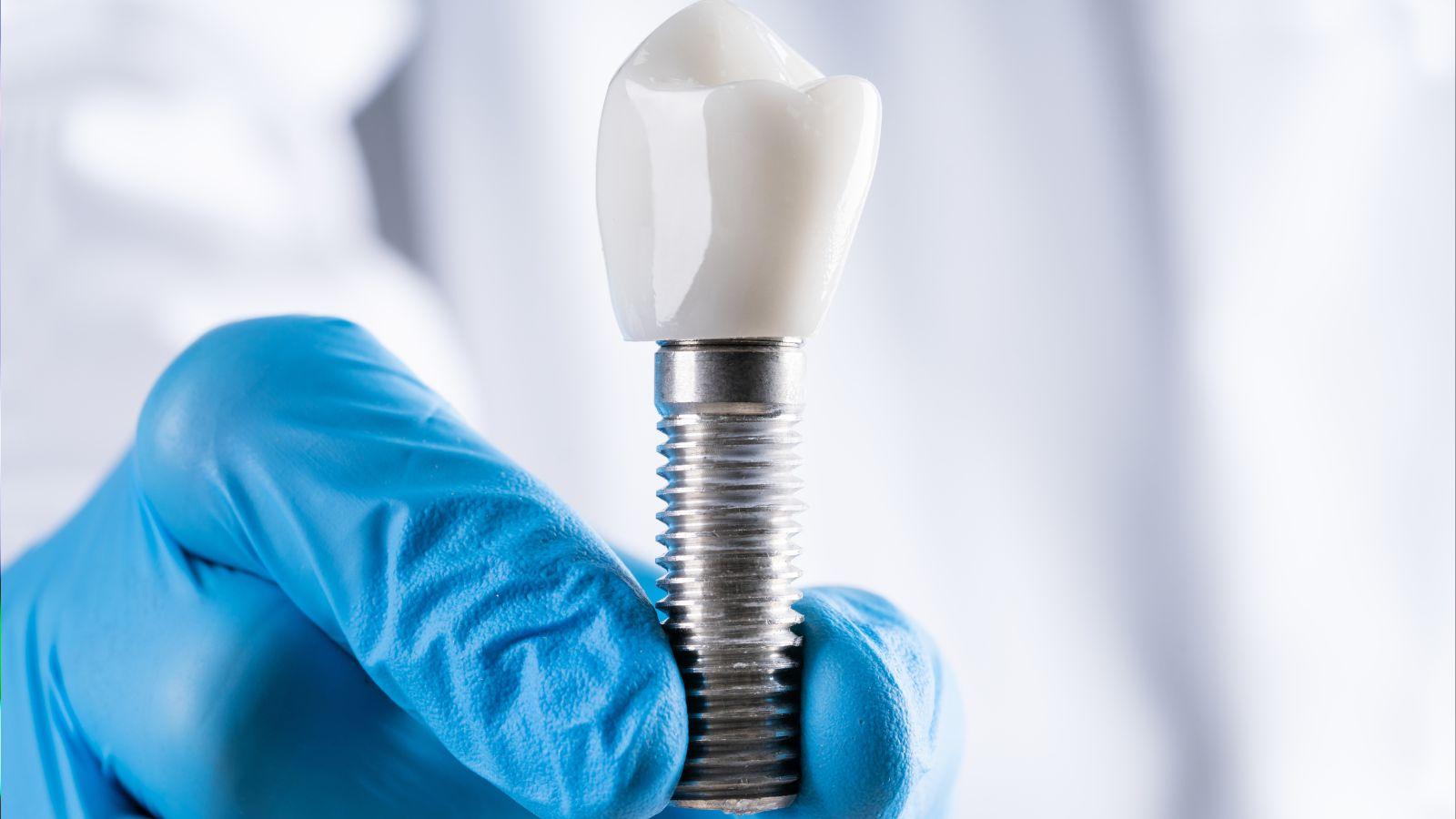
Choosing between titanium and zirconia implants affects how your smile looks, how long the implant lasts, and how your body reacts. If you want the most-established option with slightly higher long-term success and mechanical strength, titanium is usually the safer bet; if you prioritize metal-free esthetics and lower visibility at the gumline, zirconia can be a strong alternative — both are available through providers of affordable dental implants in New Market, VA.
This article will walk you through material differences, clinical outcomes, who is a better candidate for each option, and what to expect for cost and upkeep so you can make an informed choice with your dentist.
Material Properties and Composition
Titanium and zirconia differ in chemistry, structure, and how your body interacts with them. Titanium is a titanium alloy (commonly Ti-6Al-4V or commercially pure titanium) with a metallic crystalline structure, while zirconia (zirconium dioxide, ZrO2) is a ceramic stabilized with yttria for toughness and formed as a polycrystalline, tooth-colored material.
Biocompatibility and Osseointegration
Titanium forms a stable oxide layer (TiO2) that encourages bone cells to attach and grow directly on the implant surface — a process called osseointegration. Clinically, titanium implants show high long-term success rates and predictable bone integration across many indications. If you have normal healing potential, titanium’s surface treatments (roughening, coatings) reliably increase bone contact and initial stability.
Zirconia is inert and metal-free, which reduces concerns for metal sensitivity or allergic reaction in rare patients. Its surface promotes soft-tissue attachment and low plaque accumulation, often producing favorable gum response and esthetics where the implant is near the visible gumline. Zirconia’s osseointegration is strong but historically less investigated than titanium; contemporary designs and surface modifications have narrowed that gap.
Strength and Durability
Titanium alloys offer high tensile strength and toughness, making them resistant to bending and fracture under chewing forces. You benefit from titanium in high-load situations — posterior teeth, multi-unit bridges, or when bone support is limited. Implant designs and diameter choices further optimize strength for your specific bite forces.
Zirconia has excellent compressive strength but is more brittle than titanium. It resists chewing forces well in single-tooth and anterior cases, but under high lateral loads or in thin sections it can fracture. Manufacturers mitigate this risk with wider-diameter, two-piece designs and controlled surface processing, but you should avoid zirconia in situations with heavy parafunctional forces unless specifically engineered for those loads.
Corrosion Resistance
Titanium resists corrosion through a protective titanium dioxide film that forms spontaneously in the mouth. That film is durable but can be compromised in extreme acidic environments, galvanic situations with other metals, or by mechanical wear; when damaged it generally reforms quickly. You should be aware that corrosion products are minimal and clinical effects are uncommon, yet mixed-metal restorations can increase electrochemical activity.
Zirconia is a ceramic and does not corrode or release metal ions. You gain a chemically stable, inert surface that maintains color and integrity in acidic or microbial environments. This chemical stability contributes to zirconia’s appeal for patients concerned about metal exposure or discoloration of peri-implant tissues.
Clinical Performance and Outcomes
Both titanium and zirconia implants achieve high survival in clinical studies, with differences mainly in specific complication patterns, long-term data length, and aesthetic outcomes. You should weigh implant survival, bone stability, and type/frequency of complications to match your clinical needs.
Success Rates in Implant Dentistry
Randomized trials and systematic reviews report survival rates for both materials typically above 90% at mid-term follow-up (3–5 years). Titanium has the largest body of long-term evidence supporting predictable osseointegration across varied bone types and loading protocols.
Zirconia implants show comparable short- to mid-term survival in many studies, especially for one-piece or two-piece ceramic systems, but fewer large randomized long-term trials exist.
Factors that influence success include implant surface treatment, surgical technique, bone quality, smoking status, and prosthetic design. You should prioritize implant system-specific outcomes over material-only claims when judging likely success for your case.
Long-Term Stability
Titanium implants demonstrate consistent marginal bone stability over decades in well-conducted longitudinal studies. Thread design, platform switching, and surface roughness contribute to maintaining bone levels around titanium fixtures.
Zirconia shows promising bone-level preservation in short- to medium-term studies, with some evidence of low plaque accumulation and favorable soft-tissue responses.
Limited long-term (10+ year) data for contemporary zirconia systems makes absolute comparisons preliminary. If you need proven multi-decade documentation, titanium carries the stronger evidence base; if you prioritize aesthetics in the anterior zone with expected 5–7 year performance, zirconia can be appropriate.
Complication Profiles
Mechanical complications: Titanium implants have well-characterized risks—screw loosening, fracture (rare with modern alloys), and peri-implantitis-related failures. Zirconia implants are more brittle; ceramic fracture is an uncommon but clinically significant risk, especially under non-axial loading or with narrow-diameter fixtures.
Biological complications: Both materials can develop peri-implant mucositis and peri-implantitis. Some studies report lower plaque scores and better soft-tissue color with zirconia, which may aid mucosal health, but infection risk remains tied to oral hygiene and prosthetic access.
Prosthetic considerations: Restorative connection designs differ; you must evaluate available abutment options, retrievability, and repairability. Choose the material whose complication profile fits your hygiene ability, occlusal scheme, and restorative plan.
Patient Considerations and Suitability
You should weigh allergy risk, appearance needs, and daily habits when choosing between titanium and zirconia. Those three areas—immune reaction, how the implant looks in the mouth, and what you do every day—determine which material fits your situation best.
Allergic Reactions and Sensitivities
If you have a documented allergy to metals—particularly nickel or unexplained contact dermatitis—tell your dentist before planning implants. True titanium allergy is rare, but metal hypersensitivity testing or a medical allergy history can identify patients who might react.
Zirconia is metal-free and often recommended for patients with confirmed metal sensitivity or those who report unexplained oral discomfort around metallic restorations. Keep in mind that lab testing for zirconia allergy is uncommon; most decisions rely on clinical history and patient preference.
Discuss prior implant or prosthetic reactions with your clinician. They may recommend patch testing, referral to an allergist, or a trial restoration approach to minimize risk and guide the final material choice.
Aesthetic Preferences
If your implant will sit in the smile zone, you likely prioritize the visible outcome. Zirconia’s white color reduces the risk of a grayish gum shadow, especially if you have thin gingival tissue or receding gums.
Titanium implants use metal abutments that can be masked with tooth-colored crowns and custom abutments, but a thin or translucent gum may still reveal a dark line. Opt for titanium when you need its proven strength and plan for careful prosthetic masking when aesthetics matter.
Ask for photos of past cases from your dentist that match your gum thickness and tooth position. Request a digital mock-up or temporary restoration to preview how your final smile will look with each material.
Lifestyle Factors
Your daily habits and oral hygiene affect implant longevity. If you smoke, grind your teeth, or have poor plaque control, titanium’s long clinical track record might offer more predictable outcomes, but none of these habits remove the need to change behavior.
If you play contact sports, participate in activities with facial impact, or seek fewer metallic components for medical imaging or personal preference, zirconia’s single-piece designs and radiopaque properties may influence your choice. Confirm how each implant type interfaces with prosthetic options—single crowns, bridges, or full-arch solutions—because some systems favor one material.
Plan for maintenance: regular dental visits, professional cleanings, and a consistent home care routine are essential regardless of material. Your clinician will tailor the recommendation based on bone quality, bite forces, and lifestyle to match function and longevity.
Cost, Maintenance, and Accessibility
You will generally pay more up front for zirconia implants, invest similar routine care for either material, and find titanium far more widely offered across dental practices. Insurance coverage, specialist experience, and local lab costs have the biggest impact on what you actually pay.
Price Differences
Zirconia implants typically cost more per implant. Expect an extra $300–$1,000 per implant in many U.S. markets because of higher material and custom manufacturing expenses.
Titanium implants are often less expensive and have a wider range of component options and off‑the‑shelf parts, which can lower lab and restorative fees. Surgical complexity, bone grafting, and the need for custom abutments also drive price regardless of material.
Check your plan: some dental insurance plans cover implant surgery and crowns differently, and medical insurance occasionally covers procedures tied to trauma or disease. Ask your clinician for a detailed estimate that lists implant body, abutment, crown, imaging, and any grafting or sedation charges.
Maintenance Requirements
Daily oral hygiene is the foundation for both materials: brush twice, clean interproximally, and attend regular hygiene visits. Plaque control, not implant material, most strongly predicts long‑term health.
Titanium tolerates a wider range of hygiene instruments; clinicians commonly use metal curettes cautiously and ultrasonic scalers with appropriate tips. For zirconia, practitioners prefer polymer or non‑metal instruments and gentler ultrasonic tips to avoid surface damage.
If you have a history of peri‑implant disease, expect more frequent monitoring and professional cleanings. Both implant types require radiographic checks and peri‑implant probing; follow your dentist’s recall schedule and act quickly on signs of inflammation.
Availability in Dental Practices
Most general dentists and oral surgeons routinely place titanium implants. You will find titanium components, trained labs, and restorative parts at many clinics, which shortens lead times and often reduces cost.
Zirconia implants are less common but growing in availability, especially among clinicians with training in metal‑free dentistry or those serving patients with specific esthetic or biocompatibility preferences. Expect longer wait times for custom zirconia abutments and crowns in some regions.
If you prefer zirconia, ask for a clinician’s experience level, request case photos, and confirm the lab’s capabilities. If access is limited locally, specialist referral or a short travel radius may be necessary.