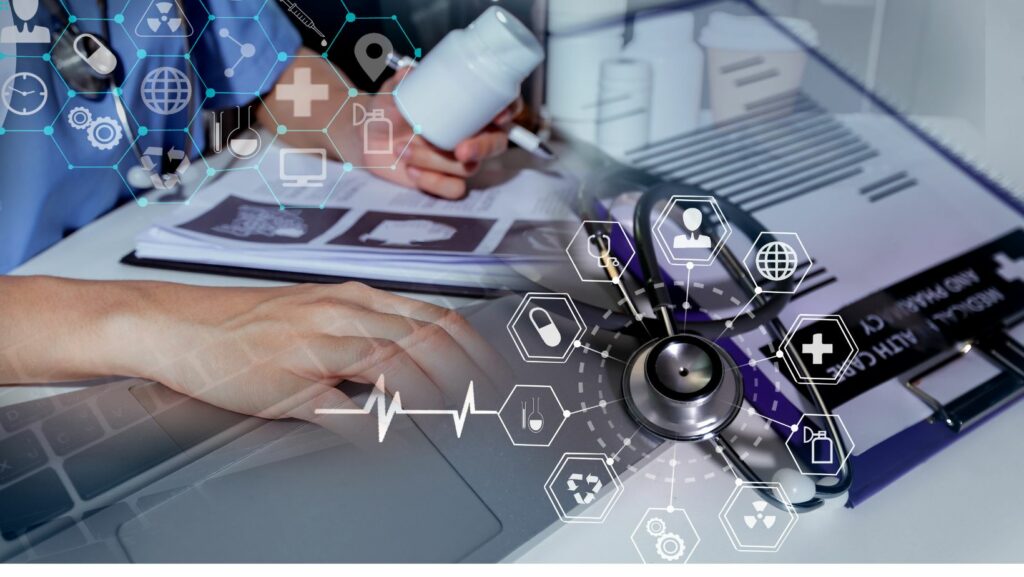

The medical technology landscape moves at a speed that often feels impossible to track. One day we are talking about basic surgical tools; the next, we are looking at AI-driven diagnostics and robotic-assisted precision. For the people working in this field, the pressure to keep up is constant. It is not just about knowing the gear anymore. It is about understanding the data, the regulations, and the shifting clinical needs that define modern patient care. This is where digital education steps in. It has moved from a convenient alternative to a total necessity for anyone trying to stay relevant.
The Shift Toward On-Demand Expertise
The old way of doing things involved flying across the country for a weekend seminar. You would sit in a crowded room, take some notes, and hope you remembered enough to use it on Monday. It was expensive; it was slow. Now, the classroom is wherever you have an internet connection. Digital platforms have democratized access to high-level training in a way that simply was not possible a decade ago.
We are seeing a move toward microlearning. Instead of three-hour lectures, professionals are looking for ten-minute bursts of deep information. This matters because MedTech is a high-stakes environment. If a new piece of hardware arrives at a clinic, the staff needs to know how it works right now; not after next month’s scheduled workshop.
- Flexibility is the biggest winner. Clinicians can learn between appointments or at home, removing the barrier of travel.
- Real-time updates are standard. Unlike a textbook that is outdated the moment it hits the printer, digital modules can be edited instantly as new safety data emerges.
- Global collaboration happens naturally. You might be in London learning a technique from a specialist in Tokyo, sharing insights through a portal.
Precision Training in Specialized Fields
Generic medical education does not cut it in the specialized niches of 2026. The nuance required for high-end procedures is intense. This is particularly true in the world of aesthetics and restorative medicine. Practitioners are no longer just looking for “how-to” guides; they need evidence-based, clinical pathways that ensure patient safety while pushing the boundaries of what is possible with new technology.
When you look at the growth of the industry, the demand for advanced aesthetic medicine education has skyrocketed. This is because the tools are becoming more complex. Laser systems, injectable protocols, and skin rejuvenation tech require a deep dive into anatomy and physics. Digital platforms provide the 3D modeling and high-definition video needed to see every detail of a procedure. They offer a safe space to visualize outcomes before a needle ever touches skin.
Having a centralized hub for this kind of specific knowledge allows a practitioner to build a portfolio of skills that are verified and current. It is about moving away from “guessing” and moving toward a standard of excellence that is backed by peer-reviewed data and expert instruction.

The Impact of AI and Simulation
We cannot talk about e-learning without talking about the tech behind it. Simulation has become the gold standard. We are seeing platforms that use virtual reality to let a technician “assemble” a device or a surgeon “practice” a move in a digital twin environment. This reduces the risk to patients and lowers the cost of training materials significantly.
The data side of these platforms is also a game changer. Managers can see exactly where their team is struggling. If everyone is failing the quiz on a specific regulatory update, the training can be adjusted immediately. It is a feedback loop that keeps the whole organization sharp.
Why This Matters for the Future
The MedTech world is facing a massive skills gap. There is more technology than there are people trained to use it. If we rely on traditional education alone, we will never catch up. Digital platforms bridge that gap. They allow for a scaling of knowledge that keeps pace with the innovation coming out of the labs.
For the individual professional, it is about career longevity. The person who stops learning in this industry is the person who becomes obsolete. By leaning into these digital resources, you are not just getting a certificate; you are ensuring that your expertise remains at the cutting edge of what is possible in modern medicine.