
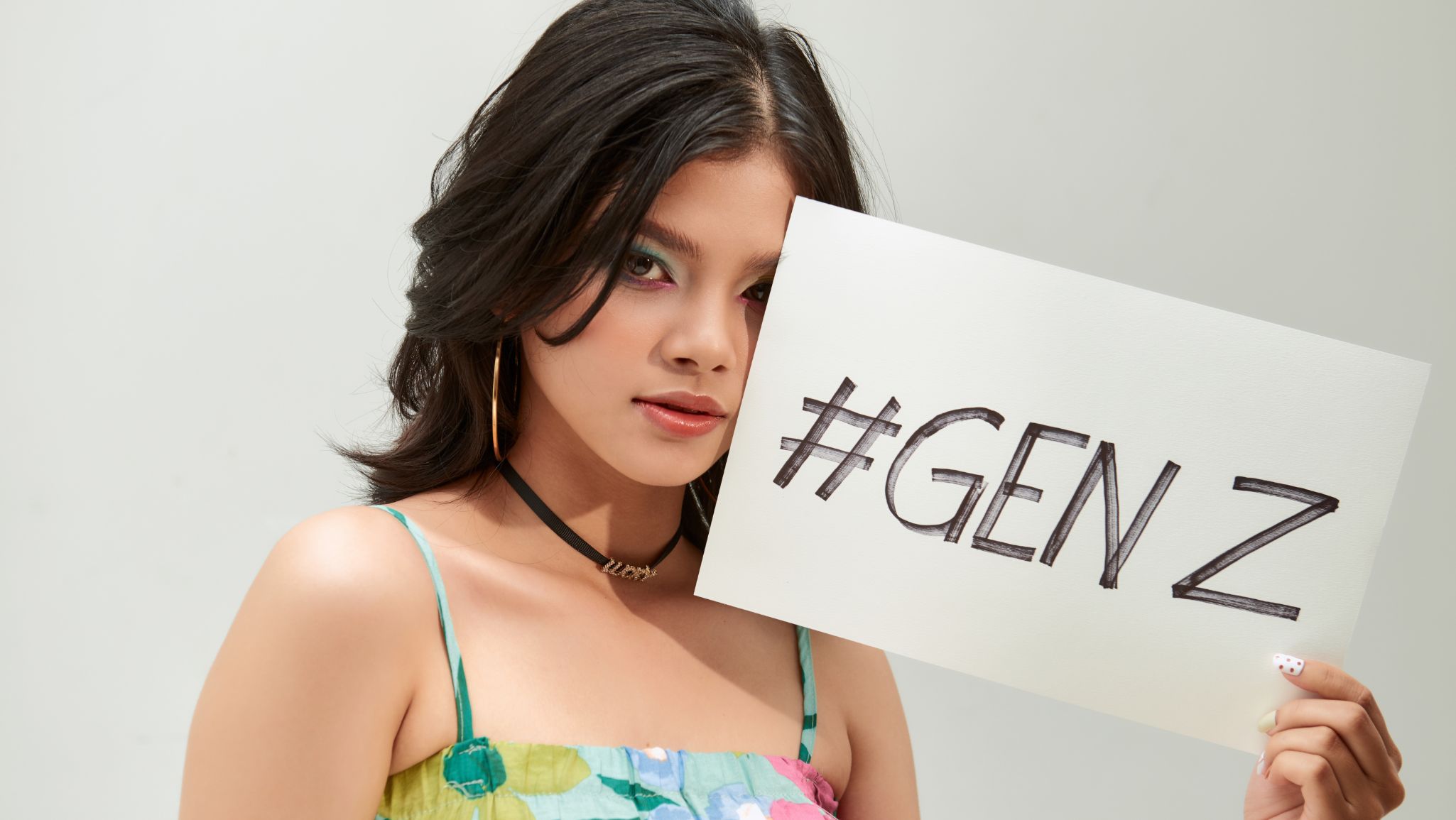
Generation Z—typically defined as those born between the late 1990s and early 2010s—is the first cohort to grow up with smartphones, social platforms, and on-demand access to information embedded in daily life. Unlike millennials, who witnessed the evolution of the internet, Gen Z has never known a world without it. This digital-first upbringing fundamentally shapes how they think, communicate, shop, and influence the world around them. As a result, Gen Z is not merely participating in cultural and consumer trends—they are actively defining them.
Digital Natives With Global Reach
For Gen Z, digital platforms are not separate spaces; they are extensions of their identity and social reality. TikTok, Instagram, YouTube, and emerging platforms serve as centers of culture, learning, creativity, and commerce. This generation’s ability to absorb information quickly and adapt to new technologies makes their influence uniquely fast-moving. A single creator’s video can launch a viral dance, a social justice conversation, or a new product category within hours.
Because Gen Z’s digital interactions transcend geography, their trends spread globally at unprecedented speed. A micro-trend born in Seoul might influence fashion choices in London or Los Angeles within days. This hyperconnectivity gives Gen Z outsized cultural power relative to their age, enabling them to shape industries from fashion and beauty to entertainment and finance.
Creators, Not Consumers
One of the most defining characteristics of Gen Z is their preference for creation over passive consumption. Short-form video platforms have democratized creativity, lowering the barrier for content production. Gen Z doesn’t merely watch trends; they remix, adapt, and iterate them.
This participatory culture is why trends now evolve rapidly. “Core” aesthetics—from cottagecore to goblincore to clean-girl minimalism—spread because Gen Z showcases personalized versions rather than following a single, monolithic style. Brands have had to adapt to this fragmentation, focusing on flexible and inclusive campaigns instead of prescriptive ones.
Demand for Authenticity and Transparency
Gen Z’s digital literacy means they quickly recognize overly curated content, staged branding, or misleading messaging. Having grown up in an era of information overload, they value authenticity above polish. This preference has reshaped influencer culture: traditional “aspirational” influencers are giving way to micro-creators who share unfiltered routines, honest reviews, and everyday realities.
For companies, this shift presents both a challenge and an opportunity. Gen Z’s expectation for transparency—around sustainability, inclusivity, pricing, and corporate values—forces brands to communicate more openly. Companies that fail to align their actions with their messaging often face swift backlash, amplified by Gen Z’s networked communication.
Redefining Consumer Behavior
Gen Z’s spending habits are shaped by three core factors: digital fluency, social consciousness, and practicality. They research products extensively, rely heavily on peer reviews, and expect seamless online shopping experiences. Even categories like disposable vape deals illustrate how Gen Z’s price-savvy shopping habits and preference for online marketplaces continue to influence how retailers structure promotions—reflecting behavioral trends rather than endorsement of the products themselves.
This generation also rewards brands that reflect their ethics—supporting sustainability, mental health, diversity, and fair labor practices. At the same time, thrift culture has become a defining feature of their identity. Platforms like Depop, Poshmark, and Vinted thrive because Gen Z embraces circular fashion, both for financial and environmental reasons. Their preferences have pushed companies to innovate in areas like virtual try-ons, social-commerce integrations, and sustainable production models.
Shaping Work and Education Norms
Gen Z also plays a major role in transforming how society views work. They prioritize flexibility, mental health, and purpose-driven employment more than previous generations. The rise of remote work, digital freelancing, and hybrid education models aligns naturally with their expectations.
Gen Z challenges traditional structures:
- They push for healthier work-life boundaries.
- They prefer skills-based opportunities over rigid credential requirements.
- They advocate for mental health support and fair treatment in the workplace.

As more Gen Z individuals enter the workforce, these demands will continue to redefine organizational culture.
A Generation of Activists
Digital access has given Gen Z unprecedented tools for advocacy. From climate change and racial justice to LGBTQ+ rights and economic inequality, they use social platforms to amplify causes, organize movements, and hold institutions accountable. Their activism is not limited to protest; it influences purchasing behavior, workplace expectations, and political engagement.
Conclusion: The Future Is Gen Z-Shaped
Gen Z’s digital-first perspective, creative flexibility, and demand for authenticity are reshaping global culture and markets. They are more than trend-setters—they are values-driven innovators who challenge outdated systems and accelerate change. As brands, educators, policymakers, and industries adapt to a rapidly shifting world, one fact is clear: understanding Gen Z is essential for understanding the future.