
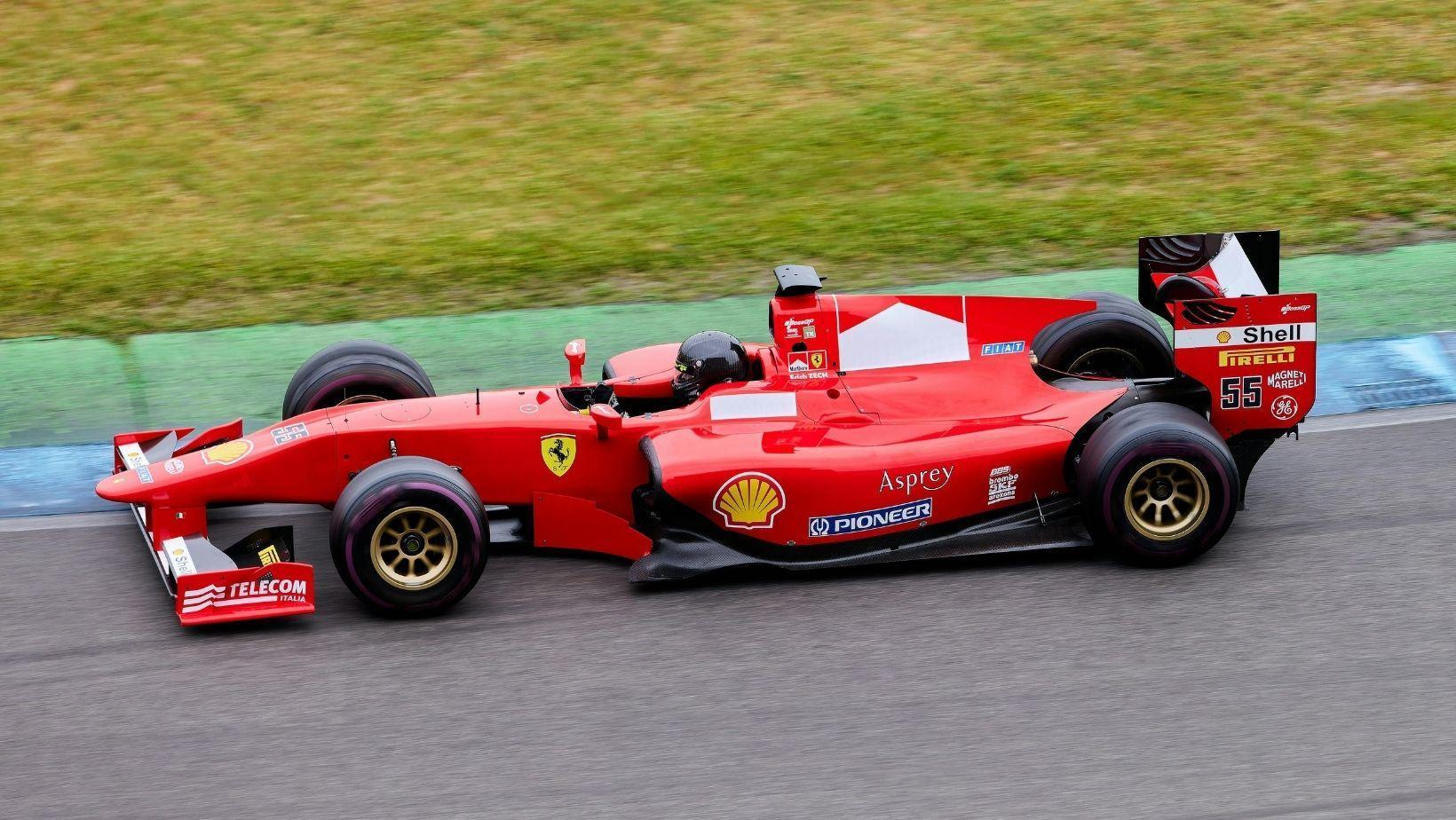
Formula 1 is one of the sports that have grown significantly in popularity in North America within the last ten years.
A lot of success has been enjoyed following the release of Netflix’s Drive to Survive, with a growing American audience now able to enjoy three live races in the U.S. annually following the introduction of the Las Vegas Grand Prix.
The sport can be compared to many others, but it could be argued that the spectacle resembles closest to horse racing in terms of the speed displayed and the strategic approaches that those in control must take.
Key data is always essential to consider when making horse racing picks at TwinSpires.com, just as it is when comparing the chances of drivers on track. But, what are some of the similarities between Formula 1 and horse racing?
Important Partnership
One of the key factors that both horse racing and Formula 1 racing has in common is the fact that both sports rely heavily on an important partnership. In F1, this is between the driver and the car, while racing relies on a strong bond between the jockey and horse.
Only partners that are able to work perfectly in unison will gain positive results, with those drivers/riders that are forced to work hard to get the best out of their car/horse likely to struggle to get the best possible finishing position.
Therefore, the most important key to success in either sport is for an individual to partner with the best car or horse.
Team Effort
Newcomers to both F1 and horse racing will largely see the sports as an individual competition, but those that have experience and a dedicated knowledge of the sports will be aware that there is more that goes into preparing a partnership capable of winning major races.
In F1, there are mechanics, engineers, and designers that are all required to pull in the same direction to build a car capable of performing at the highest level. Drivers will get the majority of the acclaim, but their job could be argued is the most straightforward, as the tools have been handed to them in the best possible condition.
A big team also contributes to the success achieved by a horse on track, with trainers and owners having to pinpoint exact plans for the target to ensure that their equine peaks at the right time. Other stable staff will also have hands-on jobs with the horse, while vets and farriers will ensure that horses are healthy enough to perform to their best level.
Extreme Costs
It could be argued that horse racing and Formula 1 are two of the most challenging sports to reach the pinnacle of, as huge investment must be made to reach the top. On average, it costs over $10 million to reach Formula 1, with costs of up to $100,000 likely in karting, as a driver will take their first steps in the sport.
Fortunately, talented drivers typically get scouted from an early age, leading to teams and sponsors putting money towards the costs required to race. As well as karting, racing in Formula 4 and Formula 3 could cost $300,000 and $1.2 million, respectively.
Horse racing is also a lucrative business, meaning that becoming a jockey or trainer is a pricey venture. Riders will need to complete courses to gain a license, before they will then need to have access to horses on a regular basis to practise. Training horses is also expensive, as a licence costs over $300 on average, with accommodation costs also ranging from $1,000 to millions depending on the facilities available.
Historical Prestige
One of the main reasons for the popularity of both horse racing and Formula 1 is due to its prestige, with both sports being around for generations, meaning that families have passed legendary stories of great sporting moments down generations.
F1 is the premier form of motorsport in the world, with the first season dating back to 1950. Since then, the sport has constantly evolved and developed to reach a broader audience, with races in the Middle East and America formed to take the sport to new demographics.
Of course, the success of Drive to Survive has helped bring in a younger audience, with horse racing following this trend in recent years after Race For The Crown was released on Netflix. Racing’s history dates back to Ancient Greece, but major events on national schedules ensures that mainstream appeal can be achieved.
In the U.S, that focuses around the Triple Crown, beginning with the Kentucky Derby. Meanwhile, the most popular races in the United Kingdom and Australia are the Grand National and Melbourne Cup, respectively. All of these races attract audiences to watch that wouldn’t tend to watch racing at any other time of the year.