
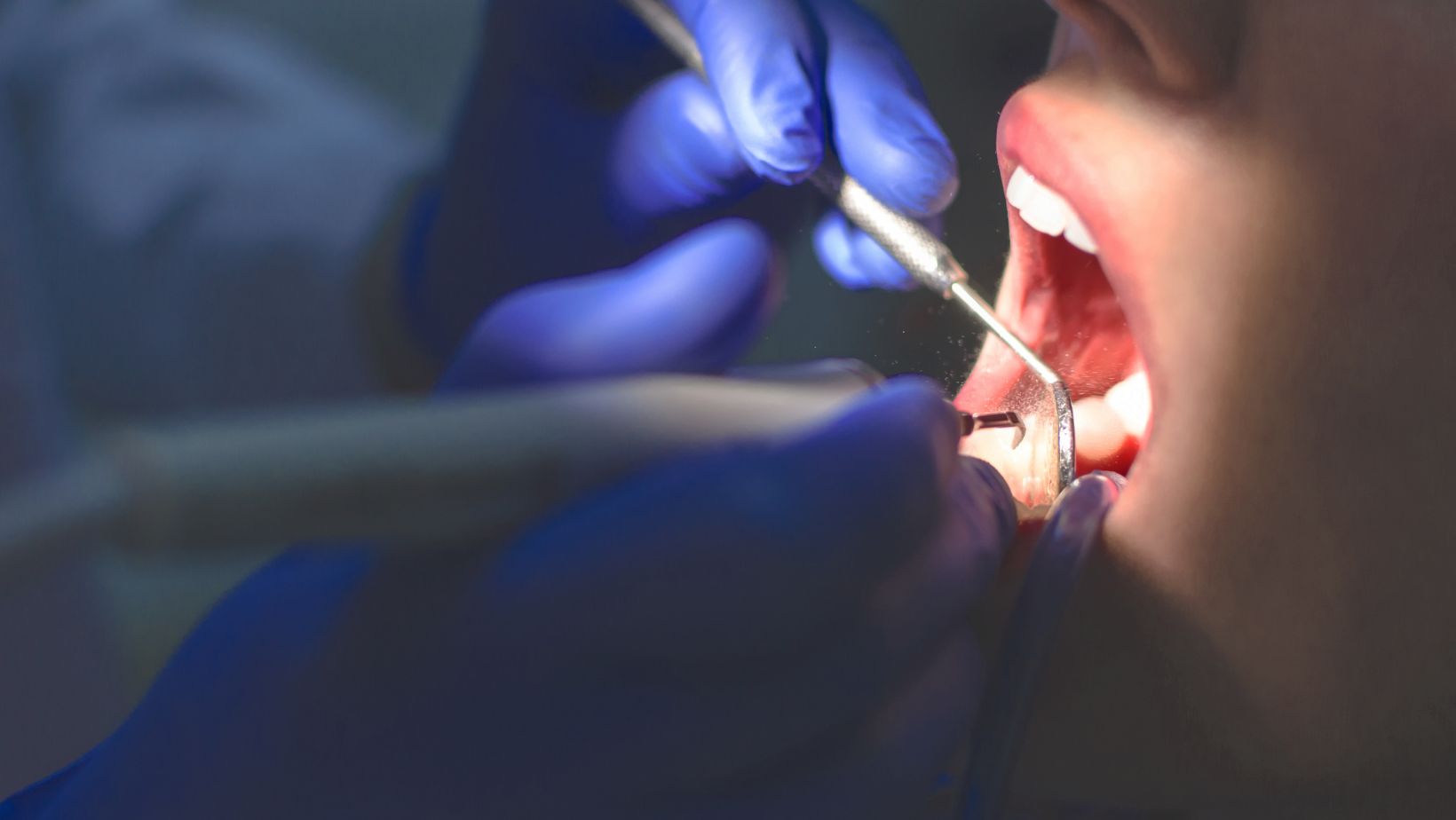
You don’t have to skip dental care because of fear. Sedation dentistry gives you safe, tested ways to feel calm during exams and procedures so you can get the treatment your mouth needs without panic or pain.
With options from mild nitrous oxide to stronger oral or IV sedation dentistry, you can stay comfortable, relaxed, and able to get longer or more complex dental work done. This article will explain why anxiety happens, the common sedation types, the benefits for anxious patients, and what to expect at your appointment so you can plan care that fits your needs.
Understanding Dental Anxiety
Dental anxiety often starts from a few common experiences and can affect how you care for your teeth, how you react in the chair, and when you seek treatment. The next parts explain typical causes, how anxiety harms oral health, and signs that sedation might help you get needed care.
Common Causes of Dental Fear
Many people trace their fear to a painful past procedure, a rough first visit, or memories of uncaring staff. You might also fear needles, drills, or losing control while someone works in your mouth. Media portrayals of painful dentistry can make these fears worse.
Physical sensitivity adds to the problem. A strong gag reflex, sensitive teeth, or jaw pain can make routine care feel unbearable. Financial worries and not understanding a planned procedure can increase stress before you even arrive.
Family patterns matter too. If a parent avoided the dentist, you may have learned to fear it. Knowing specific triggers—noise, smells, or certain instruments—helps you and your dentist plan ways to reduce anxiety.
Impact of Anxiety on Oral Health
When you avoid the dentist because of fear, small problems can grow into bigger ones. Cavities deepen, gum disease can progress, and you may need extractions or root canals that could have been prevented.
Anxiety can also change how you care for your mouth at home. You might skip brushing or flossing because of stress or dental pain, which speeds decay and inflammation. Emergency visits for severe pain or infection become more likely when regular care stops.
Beyond teeth, untreated dental problems can affect your sleep, eating, and confidence. Dental anxiety can raise your stress levels and make routine health care harder to manage.
Signs That You May Need Sedation Dentistry
If your heart races, you sweat, or you feel faint at the thought of the dentist, sedation could help you tolerate care. Strong physical reactions—panic attacks, nausea, or trembling—during or before appointments are clear signs to discuss sedation.
Avoiding appointments, needing frequent breaks in the chair, or being unable to sit still during procedures also suggest sedation might be useful. Tell your dentist if you have a strong gag reflex, sensitive teeth, or past traumatic dental experiences.
Consider sedation if you need a long or complex procedure and you cannot stay calm for the required time. Your dentist will review your health history and recommend an option that balances safety with your comfort.
Types of Sedation Dentistry
You can choose different sedation methods based on how anxious you are, what procedure you need, and your medical history. Options range from mild relaxation to full unconsciousness, each with different effects, risks, and recovery steps.
Nitrous Oxide Sedation
Nitrous oxide is a gas you breathe through a small mask placed over your nose. It produces mild to moderate relaxation within minutes and wears off quickly after the mask is removed.
You stay awake and responsive, so you can follow simple instructions. Nitrous is safe for many people, including children and adults, but it may not calm severe anxiety.
Common uses: fillings, simple extractions, and short procedures. Side effects are usually mild—dizziness, nausea, or a headache—and you can typically drive soon after recovery. Tell your dentist if you are pregnant, have a recent ear or sinus infection, or have certain vitamin B12 issues.
Oral Conscious Sedation
Oral conscious sedation uses a pill taken before your appointment, most often a benzodiazepine like diazepam or triazolam. It produces deeper relaxation than nitrous; many patients feel drowsy and remember little of the procedure.
You remain conscious and can respond to verbal cues, but coordination and memory are impaired. Because the drug stays in your body for hours, you must arrange a responsible adult to drive you home and stay with you as needed.
Dosing depends on weight, age, health conditions, and the procedure’s length. Risks include excessive drowsiness, slowed breathing, and interactions with other medications or alcohol. Provide your dentist with a full medicine list and medical history.
IV Sedation
IV sedation delivers sedative drugs directly into a vein for faster, controlled effects. It can produce moderate to deep sedation; many patients drift in and out of sleep and have little memory of the visit.
Your dentist or anesthesiologist adjusts the dose during the procedure, so sedation level can be changed quickly. IV sedation is useful for longer or more complex dental work and for patients with strong anxiety.
Because this method affects breathing and heart rate, monitoring equipment is used. You will need someone to drive you home and to stay with you afterward. Discuss medical conditions, current medications, and past reactions to anesthesia before choosing IV sedation.
General Anesthesia for Dentistry
General anesthesia makes you fully unconscious and unaware of the procedure. An anesthesiologist or qualified provider gives and manages these medications in a controlled setting.
This option suits extensive oral surgery, multiple complex procedures in one visit, or patients who cannot safely tolerate lighter sedation. You will not wake until the anesthesia is reversed or wears off, and recovery takes longer than with other methods.

Risks are higher than with lighter sedation and include respiratory and cardiac complications. Pre-anesthesia evaluation and fasting rules apply. Arrange for post-procedure transportation and follow all pre-op and aftercare instructions from your provider.
Benefits of Sedation Dentistry for Anxious Patients
Sedation dentistry can lower your fear, reduce pain, and let more care happen in fewer visits. It helps you stay calm during cleanings, fillings, extractions, or longer procedures so you get the treatment you need.
Improved Patient Comfort
Sedation reduces the physical and emotional discomfort you feel during dental work. With options like nitrous oxide, oral sedatives, or IV sedation, you feel relaxed, less aware of sounds and smells, and often have little memory of the procedure. This makes long or complex treatments feel shorter and less stressful.
Your dentist adjusts the dose for your weight, medical history, and anxiety level. Staff monitor your breathing, pulse, and oxygen levels to keep you safe. If you have a strong gag reflex, sensitive teeth, or past trauma, sedation can make routine care tolerable.
Enhanced Treatment Outcomes
When you are calm, the dentist can work more efficiently and accurately. Fewer sudden movements and less need for breaks let the clinician focus on precise tasks like bonding, crowns, or root canals. That can improve fit, reduce follow-up adjustments, and lower the chance of complications.
Sedation also enables dentists to complete multiple procedures in one visit. Combining treatments under sedation reduces the total number of appointments and the risk of incomplete care from missed visits. You leave with more of your dental needs met in a single session.
Greater Accessibility to Necessary Care
Sedation removes barriers that keep many people from getting dental care. If fear, past bad experiences, or medical conditions stop you from visiting, sedation can make appointments possible. Children with severe anxiety, adults with phobias, and patients with special needs often gain access to care they otherwise would avoid.
This option also helps people with physical limits, like those who cannot sit for long periods. Because sedation can shorten perceived treatment time and control discomfort, it opens the door to necessary procedures that protect your oral health and prevent more serious problems later.
What to Expect During a Sedation Dentistry Visit
You will learn how to prepare, what the sedation feels like, and what steps follow after your procedure to keep you safe and comfortable.
Preparing for Your Appointment
Your dentist will review your medical history and current medicines. Bring a list of prescriptions, over-the-counter drugs, and supplements. Mention allergies, pregnancy, and past reactions to sedation or anesthesia.
You may get fasting instructions. For moderate or deep sedation, do not eat or drink for 6–8 hours before the visit. For nitrous oxide or minimal oral sedatives, the rules may be looser; confirm with the office.
Arrange a ride home. You will not drive after most sedative options. Also plan for an adult to stay with you for several hours if needed. Wear loose clothing and leave jewelry at home to make the visit easier.
The Sedation Process Explained
Staff will place an IV, give pills, or fit a nasal mask depending on the sedation level you and your dentist chose. Nitrous oxide (laughing gas) starts working in minutes and wears off quickly after you stop breathing it. Oral sedatives take 30–60 minutes to start and can leave you drowsy for the day.
If IV sedation is used, a trained clinician will adjust the dose during treatment and monitor heart rate, blood pressure, and oxygen levels. You will usually remain breathing on your own, but the team will watch your airway and comfort.
Expect limited memory of the procedure with deeper sedation. You may feel very relaxed, heavy, or mildly sleepy. You should be able to respond to simple commands unless you receive deep anesthesia.
Aftercare and Recovery
Staff will monitor you until you meet safety criteria: stable vital signs, clear breathing, and ability to sit up and speak. Recovery time varies: nitrous oxide leaves you clear-headed in minutes, oral or IV sedatives may require several hours of rest.
Do not drive, sign legal documents, or operate machinery for 24 hours after stronger sedation. Take only approved medications and follow any antibiotic or pain-control instructions. Use ice packs for swelling and soft foods if your mouth feels sore.
Call your dentist if you have high fever, severe pain, trouble breathing, fainting, or bleeding that won’t stop. Keep follow-up appointments so the team can check healing and answer any questions.