
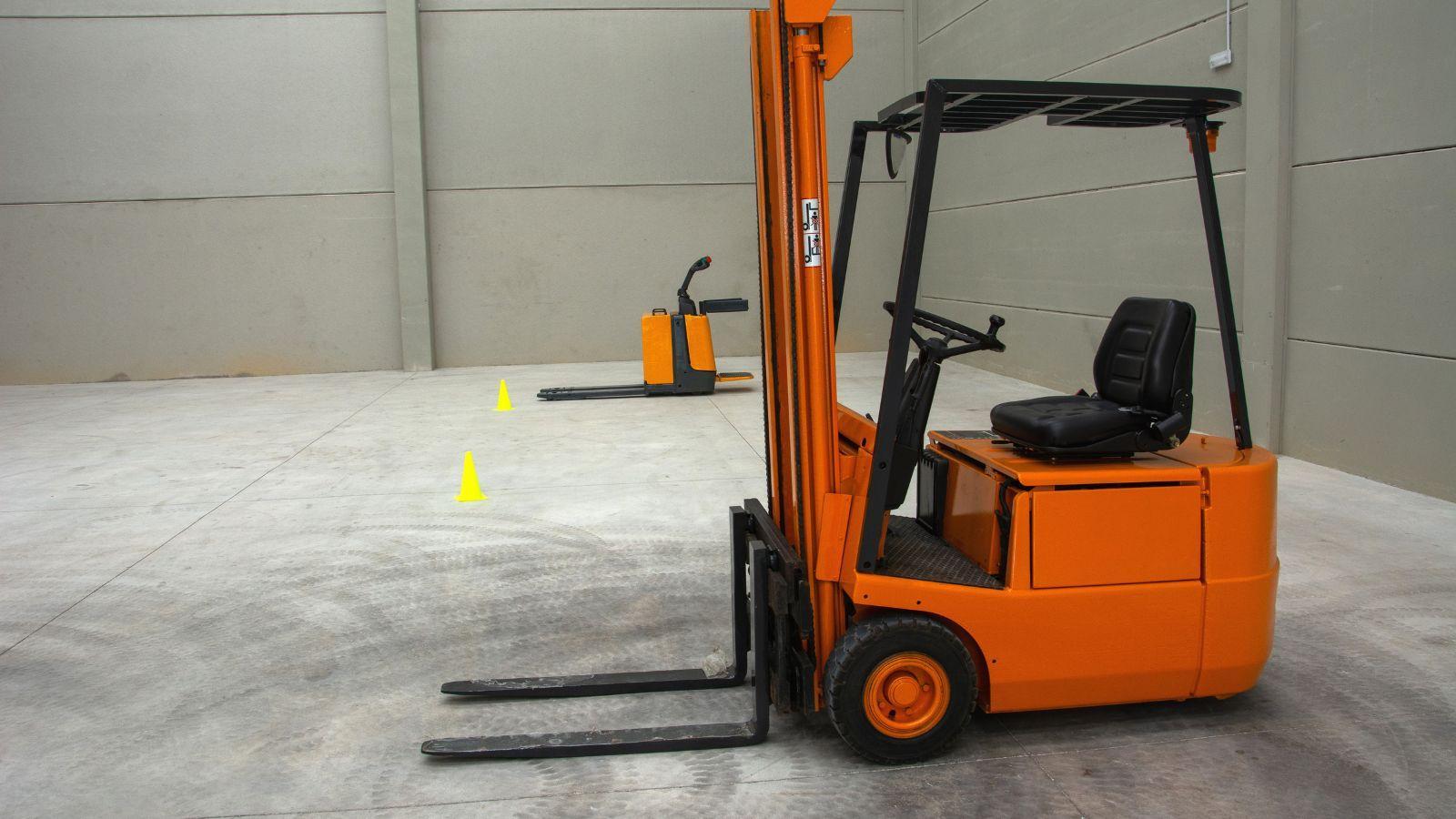
The forklift buying process used to be fairly predictable. A site needed more lifting capacity, a manager requested a few quotes, and the decision came down to price, lead time, and perhaps an existing supplier relationship. That model still exists in some corners of industry, but it is no longer the whole story.
Today’s industrial buyer is working in a very different environment. Warehouses are under pressure to move faster, labour is tighter, safety standards are more closely scrutinised, and finance teams want a clearer case for every capital purchase. As a result, forklift decisions are becoming less transactional and far more strategic.
From asset buying to workflow planning
A forklift is no longer seen as a standalone machine. In many operations, it is part of a broader material-handling system that has to support throughput targets, layout constraints, battery charging schedules, pedestrian safety, and software-driven inventory processes.
That shift changes the first question buyers ask. It is no longer simply, “What truck can lift this load?” More often, it is, “What truck fits the way this building actually operates?”
Spec sheets no longer tell the whole story
Load capacity and lift height still matter, of course. But experienced buyers are digging deeper into the operating context:
- aisle width and turning radius
- load type and pallet consistency
- indoor versus outdoor use
- floor conditions
- shift patterns and utilisation rates
A truck that looks ideal on paper can become an expensive compromise if it slows movement in narrow aisles or requires extra downtime for charging. Buyers are increasingly aware of that mismatch. They are also more likely to involve warehouse supervisors or operators early in the process, because those teams understand the friction points that spec sheets rarely capture.
The new decision criteria: total cost, safety, and flexibility
Industrial procurement teams are also changing how they define value. Upfront purchase price still matters, but it carries less weight when compared with the full operating picture.
Why finance teams are asking different questions
The most common conversation now is around total cost of ownership. Buyers want to understand not just what a forklift costs to buy, but what it costs to run over three, five, or even seven years. Maintenance intervals, tyre wear, battery life, energy efficiency, parts availability, and residual value all feed into the decision.
This is particularly true in sectors where forklifts are heavily utilised. In a single-shift environment, a lower-cost unit might make sense. In a multi-shift operation, however, small differences in uptime and servicing can quickly outweigh any initial savings.
Operators and HSE managers have more influence
Another noticeable change is who gets a voice in the buying process. Safety and ergonomics are no longer treated as nice extras. Features such as improved visibility, stability systems, speed control, and easier ingress and egress are getting closer scrutiny, especially in sites where forklifts operate alongside pedestrians.
That is partly a compliance issue, but it is also practical. If a truck is easier to operate safely, fatigue drops, incidents are less likely, and training tends to be more effective. In a labour market where retaining skilled warehouse staff is difficult, those details carry real operational value.
Digital research is replacing the old enquiry process
Before speaking to a supplier, many buyers now complete a significant amount of research independently. They compare truck categories, mast options, capacities, and use cases online, often narrowing the shortlist before making a single phone call.
This has changed the early stage of the sales cycle. Buyers are less reliant on generic brochures and more interested in clear, use-case-driven information. A warehouse manager looking for narrow-aisle efficiency, for example, may start by reviewing pages that list forklift equipment for sale for warehouse use so they can compare practical configurations before arranging demonstrations or site visits.
What buyers want to see before they speak to sales
The digital-first approach does not mean human expertise is less important. If anything, it means supplier conversations need to be sharper. Buyers have already done some homework. They want guidance on fit, trade-offs, and application, not a basic explanation of what a forklift is.
The most useful pre-purchase information tends to be grounded in real operating questions:
How wide are your aisles? How many pallets move per hour? Is the truck used at dock doors? Will it run across uneven external yards? How long is each shift?
Those details help separate browsing from proper equipment planning.
Flexibility is becoming part of the purchase strategy
Another difference in today’s market is that buyers are less rigid about what “purchase” actually means. Outright ownership is still common, but many businesses are weighing it against refurbished units, short-term hire, or hybrid fleet models.
Matching the buying model to the operation
This is especially relevant in sectors with fluctuating volumes. A distributor handling seasonal peaks may prefer a smaller owned fleet topped up with temporary equipment during busy periods. A growing operation may begin with used machines to preserve cash, then standardise later as workflows settle.
The point is not that one route is best. It is that buyers are becoming more pragmatic. They are aligning procurement with operational uncertainty rather than following old assumptions about ownership.
Sustainability is also entering the equation. Electric forklifts, once seen as the obvious choice only for indoor work, are now part of broader conversations about emissions, energy use, and future-proofing. As charging infrastructure improves and environmental reporting becomes more important, buyers are factoring those long-term considerations into decisions that previously focused on immediate utility alone.
What this means for the market
For sellers, fleet managers, and operations leaders, the takeaway is clear: forklift procurement is becoming more analytical, more cross-functional, and more tied to workflow design.
Buyers are not just purchasing lifting equipment. They are evaluating risk, labour efficiency, energy use, maintenance planning, and space optimisation in one decision. That makes the process slower in some cases, but usually smarter.
And perhaps that is the biggest change of all. The modern industrial buyer is less interested in chasing the lowest quote and more interested in choosing equipment that genuinely fits the job. In a market where margins are tight and downtime is costly, that is not caution for its own sake. It is good operations management.