
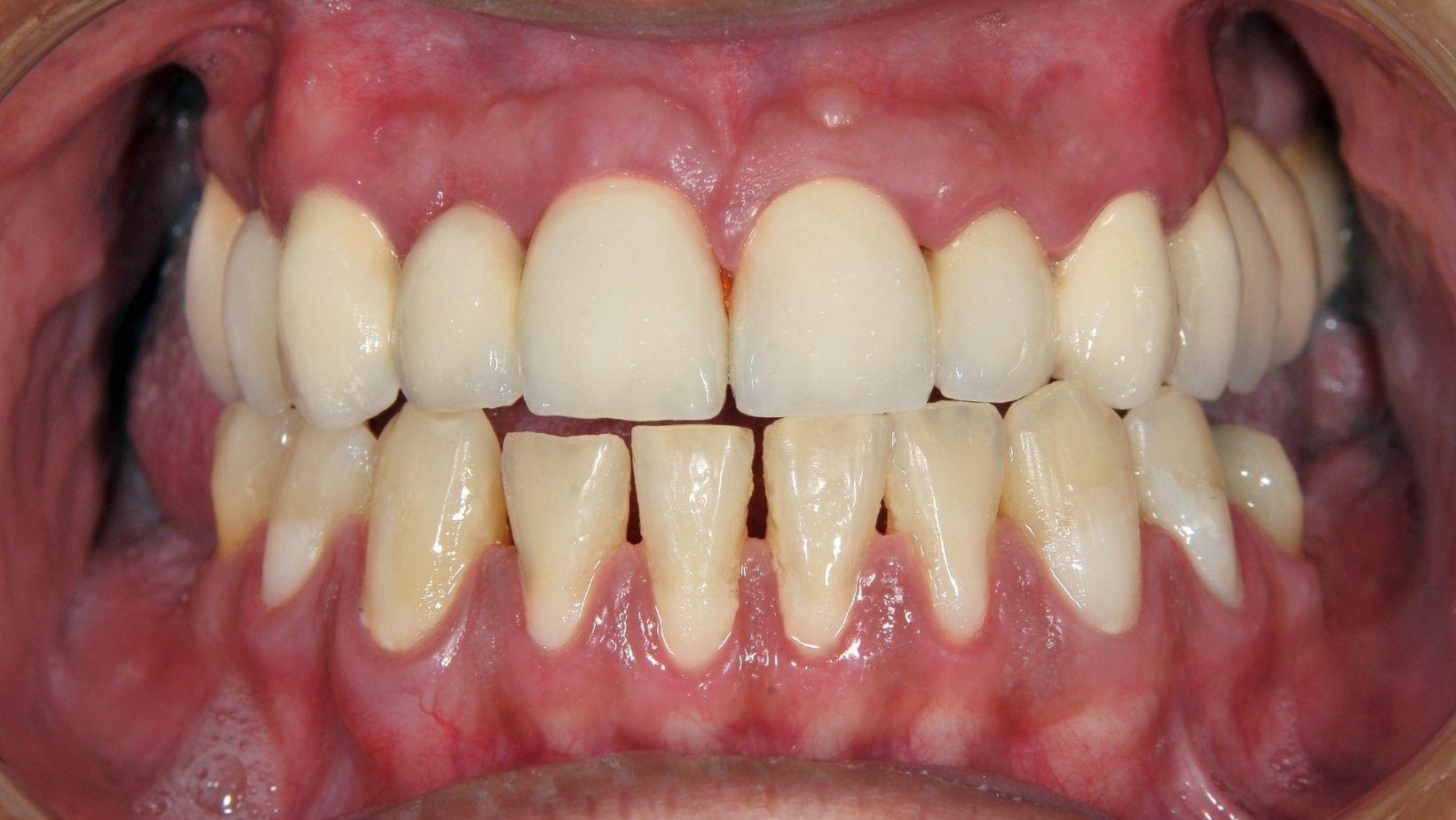
Years of untreated decay, gum disease, tooth grinding, injury, or failing dental work can affect much more than your smile. These problems may disrupt your bite, chewing, speech, comfort, and overall oral health. This is often where full mouth reconstruction in Inglewood, CA comes in, combining multiple restorative treatments into one coordinated plan.
Full mouth reconstruction can restore damaged or missing teeth by combining treatments such as crowns, bridges, dental implants, dentures, and gum care in a coordinated plan. Your dentist will assess your teeth, gums, jaw, bite, and health history before recommending the right sequence of care.
You’ll learn how comprehensive rehabilitation works. You’ll also learn which procedures may restore function and appearance, how dentists plan complex treatment, and what recovery and long-term maintenance involve.
Understanding Comprehensive Dental Rehabilitation
Untreated dental problems can affect your ability to chew, speak, sleep, and maintain healthy surrounding tissues. Comprehensive rehabilitation coordinates diagnosis and treatment across your entire mouth.
This approach addresses infection, tooth loss, gum disease, bite problems, and damaged teeth in a planned sequence.
Common Consequences of Long-Term Dental Neglect
Long-term dental neglect can allow small cavities to progress into deep decay, infection, or tooth loss. Untreated gum disease may cause bleeding, persistent bad breath, gum recession, and gradual loss of the bone that supports your teeth.
Missing teeth can then place extra pressure on the remaining teeth, increasing wear, fractures, and mobility. You may also experience difficulty chewing, changes in speech, jaw soreness, or headaches related to an unstable bite.
Teeth can shift into spaces left by missing teeth, making later replacement more complex. A dental evaluation may include X-rays, three-dimensional imaging, gum measurements, photographs, and bite analysis to identify problems that are not visible during a routine examination.
Goals of a Coordinated Treatment Plan
Your treatment plan should first control active disease. This may involve professional cleaning, periodontal therapy, fillings, root canal treatment, extractions, or medication for infection.
Your dentist may then recommend implants, crowns, bridges, or dentures to replace missing teeth and restore chewing function. The sequence matters.
For example, gum inflammation and infection generally require attention before definitive crowns or implants. Bone grafting may be necessary before implant placement.
Your dentist will also assess your bite and design restorations that distribute chewing forces appropriately. Discuss the expected number of visits, healing periods, temporary restorations, maintenance requirements, alternatives, risks, and costs before treatment begins.
Assessment and Treatment Planning
A thorough assessment identifies damaged teeth, gum and bone problems, infection, missing teeth, and bite changes before treatment begins. Your dentist then uses these findings to establish priorities, coordinate specialists, and build a sequence that supports predictable healing and function.
Dental Imaging and Oral Health Evaluation
Your evaluation typically begins with a medical and dental history, a visual examination, periodontal measurements, photographs, and an assessment of your bite and jaw movement. Your dentist checks for decay, cracks, loose teeth, worn enamel, failing crowns or bridges, tooth sensitivity, and signs of grinding.
Imaging may include panoramic X-rays, small dental X-rays, or 3D cone-beam computed tomography (CBCT) when implants, bone loss, impacted teeth, or complex infections require more detail. These images help assess tooth roots, supporting bone, sinus locations, and the position of nerves.
Your dentist also evaluates how your teeth meet and whether muscle tension or jaw-joint symptoms affect treatment. This information helps determine which teeth can be restored, which may need extraction, and whether you require bone grafting or other preparatory care.
Addressing Gum Disease and Active Infection
You should treat active disease before receiving extensive crowns, bridges, implants, or dentures. Your dental team measures gum pockets, bleeding, recession, tooth mobility, and bone loss to identify gingivitis or periodontitis.
Treatment may include professional cleaning, scaling and root planing, improved home care, medication when appropriate, or referral to a periodontist. Your dentist may also recommend extracting teeth that cannot support restoration.
Infections require prompt attention. Depending on the source, care may involve a root canal, drainage, extraction, or antibiotics as an addition to—not a replacement for—definitive dental treatment.
Your team may delay permanent restorations until inflammation decreases and your gums show stable healing. Controlling smoking, diabetes, dry mouth, and teeth grinding can also improve the foundation for reconstruction.
Creating a Personalized Sequence of Care
Your treatment plan should separate urgent care from foundation-building and final restoration. A typical sequence may include:
- Stabilization: Treat pain, infection, broken teeth, and urgent gum problems.
- Foundation care: Control periodontal disease, remove unsalvageable teeth, and complete needed bone grafting.
- Provisional phase: Use temporary fillings, crowns, bridges, or dentures to protect teeth and test your bite.
- Definitive restoration: Place implants, crowns, bridges, or a denture after healing and function meet the treatment goals.
- Maintenance: Schedule cleanings, examinations, night-guard checks, and repairs as needed.
Your dentist should explain alternatives, costs, risks, expected healing times, and the consequences of postponing treatment. A prosthodontist may coordinate complex restorative care with a periodontist or oral surgeon.
Procedures That Restore Function and Appearance
Treatment may combine fillings, crowns, gum therapy, implants, dentures, bite adjustment, and cosmetic refinements. Your dentist sequences these procedures according to infection control, tooth stability, chewing function, and your goals for appearance.
Restorative Dentistry for Damaged Teeth
Your dentist may repair moderate decay with fillings or inlays, which preserve more natural tooth structure than a full crown. A crown can cover a severely weakened tooth after decay removal or root canal treatment, while a bridge can replace one or more adjacent missing teeth by using neighboring teeth for support.
Untreated dental problems often include gum infection, fractured teeth, worn enamel, and hidden decay. Your treatment may therefore begin with periodontal therapy, extractions of teeth that cannot be saved, or root canal treatment before your dentist places permanent restorations.
Temporary crowns or fillings can protect treated teeth while your gums heal and your bite is evaluated. Your dentist selects materials based on location and load.
Strong ceramic, zirconia, porcelain-fused-to-metal, or metal restorations may suit different teeth, while color-matched materials can improve visible areas. Good brushing, flossing, professional cleanings, and treatment of gum disease help protect the results.
Dental Implants and Tooth Replacement Options
A dental implant replaces a missing tooth’s root with a titanium or ceramic post placed in the jawbone. After healing, an abutment and crown restore the visible tooth.
Implants can also support a bridge or a removable or fixed full-arch prosthesis when you have lost many teeth. Your dentist must assess bone volume, gum health, bite forces, medical conditions, and smoking before implant surgery.
Severe bone loss may require grafting or a sinus lift, which can lengthen treatment. Your team may provide a temporary denture or provisional teeth during healing.
If implants do not suit you, a fixed bridge or removable partial denture may replace several teeth. A complete denture can replace all teeth in one arch, while an implant-retained denture can improve stability.
Each option differs in cost, maintenance, treatment time, and chewing support.
Bite Correction and Smile Design
Years of tooth loss, grinding, uneven restorations, or tooth wear can change how your upper and lower teeth meet. Your dentist may adjust restorations, rebuild worn teeth, replace missing teeth, or refer you for orthodontic treatment.
Treating active gum disease and infection comes first because unstable tissues can compromise results. Smile design considers tooth length, width, shade, gum display, facial proportions, speech, and your natural bite.
Digital scans, photographs, diagnostic models, and temporary restorations allow you to review the proposed shape and test comfort before permanent work begins. Your dentist must balance appearance with function.
Excessively large or bright restorations may feel unnatural or place harmful forces on teeth and implants. If you grind your teeth, a custom night guard may protect new crowns, veneers, bridges, or implant restorations.
Recovery, Maintenance, and Long-Term Results
Recovery depends on the procedures performed, the number of treatment stages, and your general health. Careful hygiene, scheduled checkups, and prompt attention to bite or gum changes help protect healing tissues and newly restored teeth.
Managing Healing Between Procedures
Your dentist may stage treatment over several weeks or months. After extractions, implant placement, gum treatment, or bone grafting, follow the specific instructions for eating, brushing, medication, and physical activity.
Swelling and tenderness often improve gradually, but severe pain, persistent bleeding, fever, worsening swelling, or a loose temporary restoration requires prompt dental advice. Choose soft foods when chewing causes discomfort, and avoid smoking or tobacco because it can interfere with gum and implant healing.
Do not test new crowns, bridges, or implants by biting hard foods before your dentist confirms that they can tolerate normal pressure. Temporary teeth may affect speech, chewing, or your bite.
Report persistent difficulty rather than adjusting or repairing the appliance yourself. Your dentist may need to refine the fit before permanent restorations are placed.
Daily Care and Professional Follow-Up
Brush twice daily with fluoride toothpaste and clean between teeth every day. Depending on your restorations, your dentist may recommend floss threaders, interdental brushes, a water flosser, or a prescription fluoride product.
Clean removable appliances separately and follow instructions for wearing and storing them. Attend each review appointment so your dentist can assess gum healing, implant stability, bite balance, and the condition of crowns, bridges, or dentures.
Professional cleanings remove hardened deposits that home care cannot eliminate and allow early treatment of inflammation or decay. Your follow-up schedule may be more frequent during healing and then shift to routine visits.
Keep a record of sensitivity, food trapping, bleeding, jaw soreness, or changes in the way your teeth meet.
Protecting Restored Teeth and Gums
Restorations can repair substantial damage, but they do not make teeth immune to decay, gum disease, or fracture.
Limit frequent sugary or acidic drinks. Rinse with water after acidic foods.
Avoid chewing ice, pens, hard candy, or other objects that can damage crowns and bridges.
If you grind or clench your teeth, ask whether a custom night guard would protect your restorations.
Use only a guard designed or approved by your dental team, because an unsuitable appliance can affect your bite.
Call your dentist if a restoration chips, feels loose, becomes painful, or changes your bite.
Implants do not develop cavities, but the surrounding gums and bone can become inflamed.
Daily cleaning and professional monitoring remain essential.