
Every now and then, the crypto market’s leader Bitcoin (BTC) appears to be dragging the whole ecosystem along. At other times, altcoins – short for alternative coins – seem to be outperforming the trendsetter. Such shifting behaviors can’t help but prompt a common question among traders and investors alike: which phase is prevailing in crypto right now, and what causes the recurrent leadership shifts between altcoins, like ETH, BNB, XRP, and SOL, and Bitcoin? What insights can one gain from BTC/USDT movements regarding the dominant trends in crypto?
By examining previous market phases, we can see that these swings are actually very common. Bitcoin and non-Bitcoin tokens tend to move in recurrent cycles driven by market sentiment, liquidity, risk appetite, whale activity, regulatory frameworks, capital flows, and many other impactful factors. Rarely does the crypto world see the two categories moving in synchrony; yet, January of this year made an exception from the rule, with altcoins and BTC disclosing an unusual, synced rally. The idiosyncrasy was a result of a current cumulus of factors – institutional buyers started distributing capital across BTC and high-cap cryptos simultaneously, acting as a persistent source of demand for the market’s leading coins. Liquidity has also been behaving differently as investors gained access to new channels for crypto exposure: exchange-traded funds. In the past, they’d have to sell BTC to invest in altcoins. By understanding how market cycles work, you can read price fluctuations more accurately, keeping your cool when your digital assets go through corrections or dips.
It’s a Bitcoin-led phase
The first quarter of 2026 is marked by a Bitcoin-dominant phase rather than a broad altcoin rally. Bitcoin has stabilized in a consolidation range below key psychological levels (notably near $80K), while most altcoins lag, capturing modest gains only in select sectors. At the moment of writing, the Altcoin Season Index that compares Bitcoin’s performance to the leading 100 cryptos is at 29, indicating that the former has been outclassing the bulk of alternative coins as of late. Altcoin seasons are usually marked by indicators equal to or above 75, signaling good conditions for altcoins, a market phase that wasn’t seen since June 2025, when the index rose above that benchmark for a short spell. Since then, the index has retreated considerably.
The index’s trajectory discloses a rotation cycle: Bitcoin’s dominance was huge in 2023, with index values below 30. Then, altcoins experienced intermittent rallies the subsequent year, only to see Bitcoin regain control of the market in 2026. There wasn’t a sustained altcoin season over the longer timeframe. In contrast, the flagship crypto attracted most of the capital, with tolerance to risk remaining rather limited.
Why BTC dominates rebounds
It’s no surprise that Bitcoin often sets the pace for emerging market cycles – recoveries after considerable drawdowns usually start with the top cryptocurrency before the market begins to warm to lower-cap coins. There are several reasons why this happens:
More about Bitcoin dominance
Bitcoin Dominance, aka the ratio of BTC’s market capitalization to that of the entire crypto market, remains one of the most reliable indicators to understand which market phase prevails, showing when Bitcoin makes the bigger share of investments and when capital starts rotating into altcoins. As of February of this year, the indicator revolves around 60%, meaning that the market is still led by Bitcoin mainly. During times of heightened volatility, such levels indicate that investors prioritize Bitcoin’s deep liquidity and relative stability, leaving less room for smaller altcoins and contributing to drawdowns, which naturally reinforces the leader’s market share.
Historically, dips under this threshold may indicate the potential beginning of a larger altcoin season, when capital starts flowing into high- and mid-cap altcoins. In contrast, increases above this level indicate Bitcoin’s leadership, with altcoins enjoying less attention until broader market conditions shift.
The altcoins making the most searches these days
Bitcoin continues to top the list of internet queries since it’s the all-time crypto with the biggest power to influence the rest of the market. However, if we look into the most searched alternative coins, meme coins, utility coins, and so on, we can better understand where the retail focus lies. CoinGecko reviewed user queries and found the cryptos that retail investors are most frequently checking out this period: Bittensor (TAO), Pi (PI), Solana (SOL), Hypeliquid (HYPE), Pepe (PEPE), Sui (SUI), Venice Token (VVV), and Kaspa (KAS), to name the A-listers.
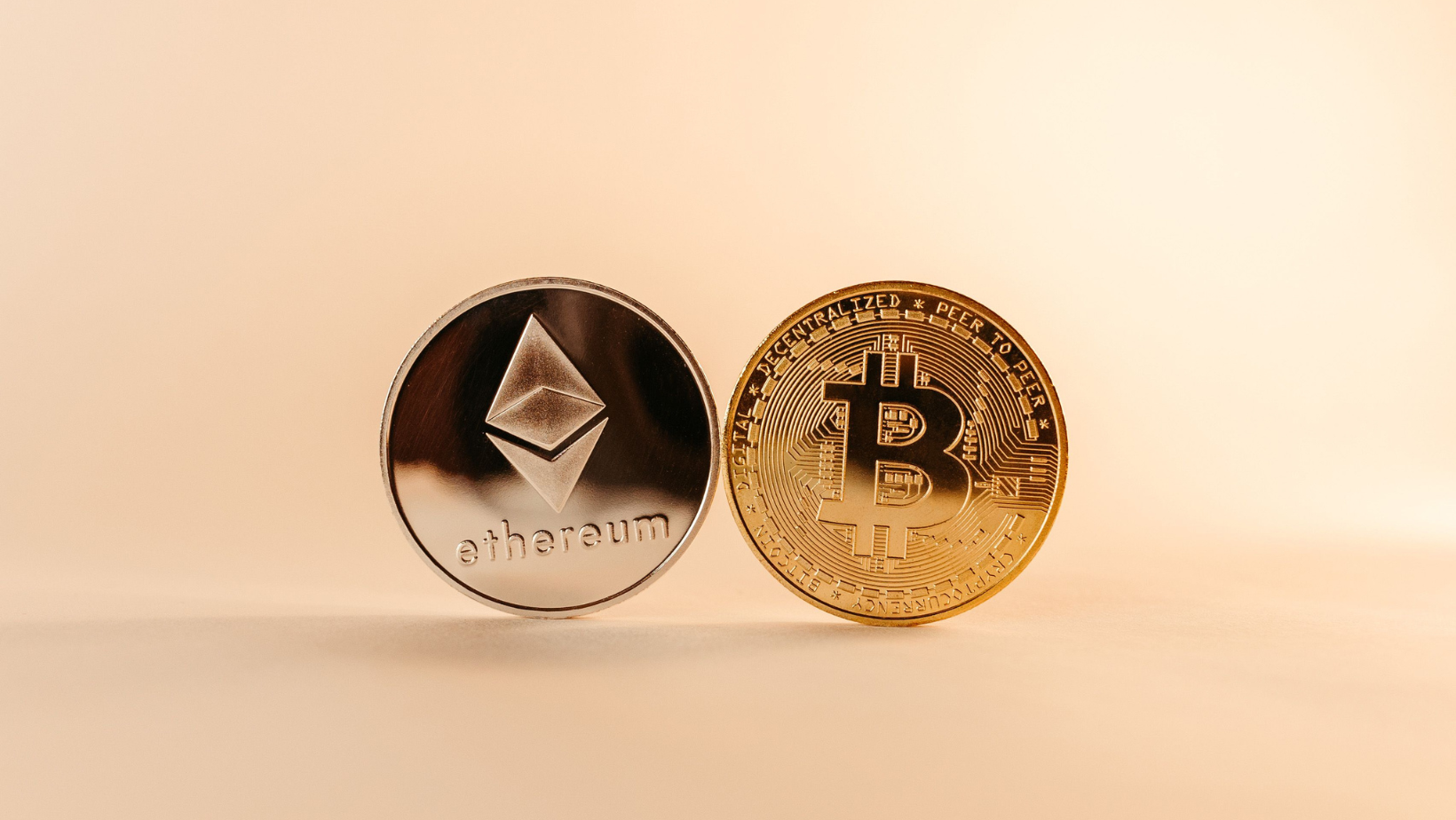
Bitcoin and Ethereum are the market anchors, so if you want to gain a rapid idea of whether the current crypto winter is thawing, the quickest way to do so is to check these two market leaders out.
Closing note
Shifts in leadership are part of recurring market cycles and should be treated as such. Since they’re rather predictable, investors can shape their portfolios based on this knowledge. During times when Bitcoin leads the market, you can prioritize it as the main, defensive holding in your portfolio – its liquidity and established market depth help protect against volatility. When the tides turn, adjust exposure strategically, prioritizing tokens with stability and real-use cases retaining their value. At the end of the day, it’s about understanding how cycles work instead of chasing short-term momentum and far-fetched gains.