
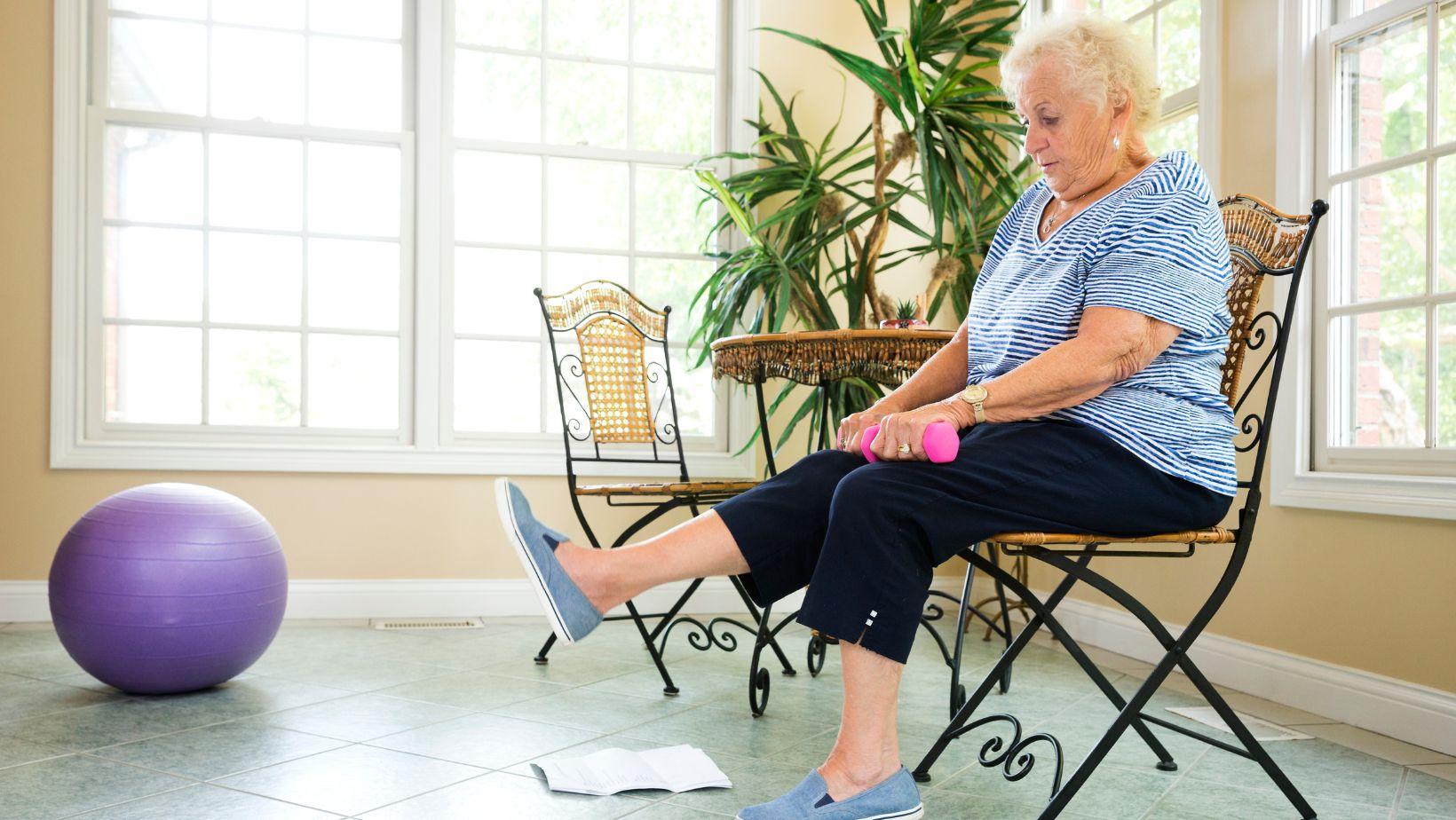
Aging in place allows older adults to remain in a familiar home while maintaining independence and comfort. However, changes in mobility, balance, strength, or vision can make certain areas of a home more difficult to navigate safely. Making thoughtful improvements can reduce everyday hazards and make the home more comfortable and accessible. Here are seven home safety improvements to consider when preparing a home for aging in place.
1. Improve Stairway Safety With Congdon’s Medical Supplies
Stairs can become increasingly difficult to navigate as mobility, balance, or strength changes. While sturdy handrails, adequate lighting, and non-slip surfaces can improve stairway safety, some individuals may need additional support to move between floors.
Mobility solutions such as stair lifts can provide an alternative to repeatedly climbing stairs and may help older adults maintain access to different areas of their homes. Equipment from congdon’s medical equipment can include mobility products designed to assist with everyday movement and accessibility. Choosing the right solution should depend on the person’s mobility needs, the home’s layout, and how frequently the equipment will be used.
2. Install Better Lighting Throughout the Home
Good lighting can make a home easier to navigate, particularly in areas where there are steps, changes in flooring, or obstacles. Hallways, staircases, entrances, bedrooms, and bathrooms should have sufficient lighting for everyday activities.
Motion-activated lights can also be useful in areas that may be visited during the night. Making switches easy to reach can further improve convenience without requiring unnecessary movement.
3. Remove Common Tripping Hazards
Loose rugs, electrical cords, clutter, and uneven flooring can create obstacles throughout the home. These hazards may be particularly problematic for someone who uses a cane, walker, or other mobility aid.
Keeping walkways open and securing loose flooring can move into the home easier. Furniture should also be positioned so that commonly used routes remain clear.
4. Make the Bathroom Easier to Use
Bathrooms require careful attention because wet surfaces can increase the risk of slips and falls. Grab bars near the shower and toilet can provide additional support, while non-slip flooring can improve stability.
Other modifications, such as shower seating, handheld showerheads, and accessible storage, can make personal care routines more convenient. The changes should be selected according to the person’s specific mobility requirements.
5. Improve Kitchen Accessibility
Kitchen tasks often involve standing, bending, reaching, and carrying items. These activities can become more challenging as mobility and strength change.
Moving frequently used items to accessible shelves can reduce unnecessary bending or stretching. Pull-out cabinets, improved lighting, and easy-to-reach storage can also make food preparation more manageable.
6. Improve Entrances and Hallways
Clear and accessible pathways can make it easier to move between rooms and enter or leave the home. Remove unnecessary furniture and clutter from hallways, and consider whether doorways or thresholds create difficulties.
Depending on the property, ramps, threshold adjustments, sturdy railings, or other accessibility modifications may help create a smoother route throughout the home.
7. Choose Mobility Equipment Based on Individual Needs
Not every home requires the same accessibility solutions. Some people may benefit from a stair lift, while others may need a wheelchair ramp, transfer aid, or another type of mobility equipment.
Before choosing equipment, consider the person’s current abilities, available space, frequency of use, and potential changes in mobility over time. Equipment should be practical for the individual and suitable for the environment where it will be used.
Creating a Safer Home for Aging in Place
Preparing a home for aging in place does not necessarily require major renovations. Improvements such as better lighting, safer stairs, clearer walkways, accessible bathrooms, and appropriate mobility equipment can make everyday activities easier. Reviewing the home regularly can also help families identify new challenges and make adjustments as mobility needs change.