
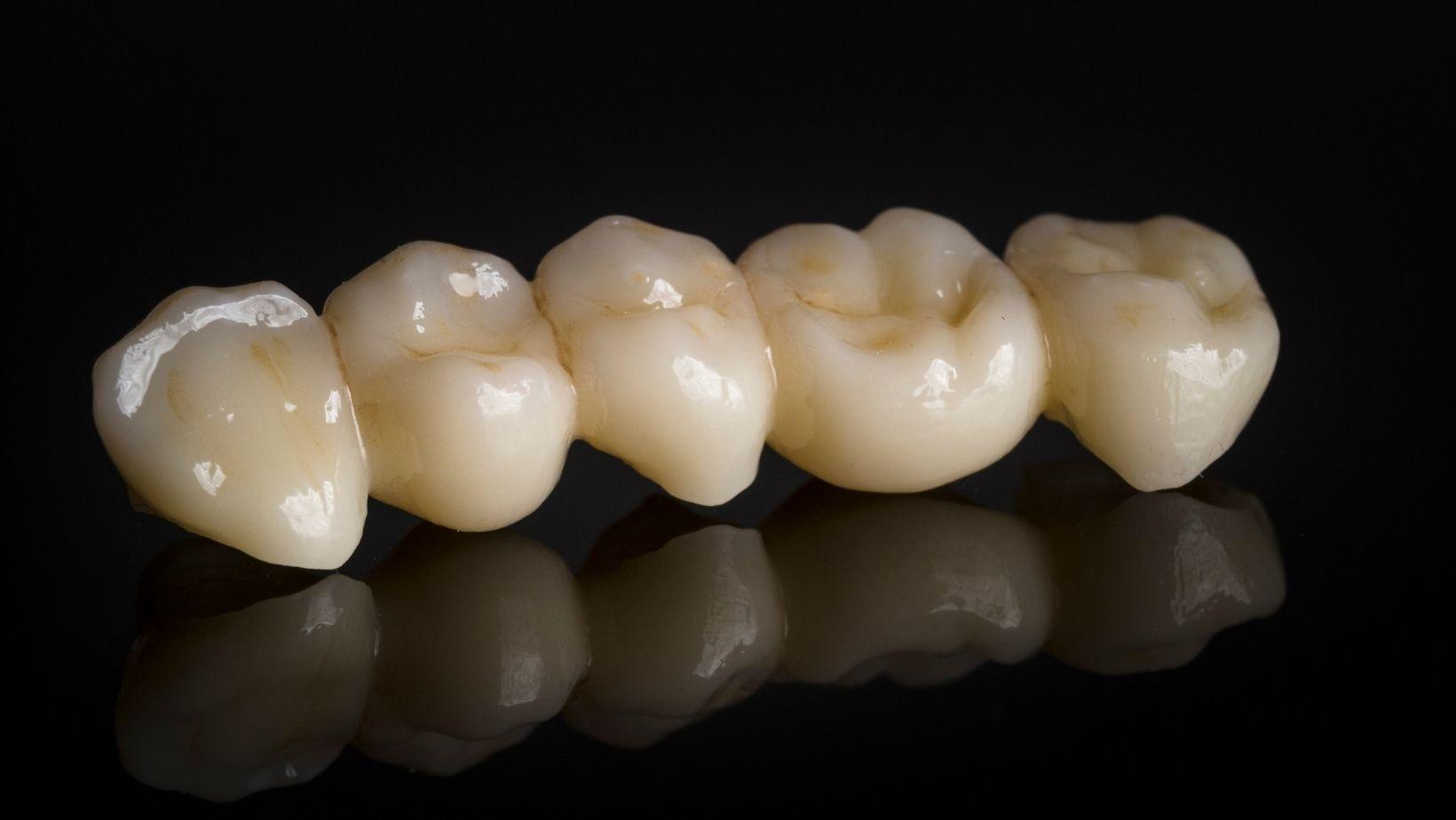
Choosing a crown material means balancing appearance, strength, tooth location, and cost. Porcelain can provide a natural look, zirconia offers strong performance, gold supports durability and gentle wear, while metal-ceramic crowns combine a metal foundation with a porcelain surface. If you're getting dental crowns in Lyndhurst, Ohio, discussing these material trade-offs with your dentist can help you choose the option that best fits your needs.
Understanding these differences can help you discuss practical options with your dentist. You'll also see how each material performs over time, what maintenance it may require, and how its price compares.
This information can help you approach your treatment decision with clearer expectations.
Core Material Characteristics
Your choice of crown material affects appearance, fracture resistance, tooth reduction, wear on opposing teeth, and long-term maintenance. Porcelain emphasizes lifelike translucency, zirconia prioritizes strength, gold offers conservative preparation and biocompatibility, and metal-ceramic crowns combine a metal substructure with a porcelain surface.
Porcelain Esthetics And Translucency
Porcelain and other all-ceramic materials usually provide the most natural appearance because they can reproduce tooth-colored translucency, internal shading, and surface texture. Lithium disilicate offers a useful balance of esthetics and strength, while feldspathic porcelain can produce highly detailed optical effects but generally requires more careful case selection.
You may benefit most from porcelain when the crown will remain visible, particularly on an anterior tooth. Its appearance depends on the ceramic type, thickness, underlying tooth color, cement shade, and laboratory technique.
Thin ceramic may look translucent but provide less masking. Thicker or more opaque ceramic can hide discoloration while appearing less lifelike.
Porcelain can fracture or chip under heavy biting forces, especially when you grind your teeth or place substantial stress on a posterior crown. Your dentist may recommend a stronger ceramic, a different material, or a night guard based on your bite and tooth location.
Zirconia Strength And Durability
Zirconia is a high-strength ceramic that tolerates substantial chewing forces and resists fracture better than many traditional porcelain systems. Monolithic zirconia, made from a single block, eliminates a separate veneering layer and reduces the risk of porcelain chipping.
Translucent zirconia varieties can provide a more natural appearance than earlier, more opaque formulations. You may need less tooth reduction with some zirconia designs because the material can maintain strength at a relatively limited thickness.
However, your dentist must select the appropriate grade and contour. Excessively rough or improperly adjusted zirconia may contribute to wear of opposing enamel, so polishing and bite adjustment matter.
Layered zirconia uses a porcelain veneer over the zirconia core to improve detail and translucency. It can look highly natural, but the veneering porcelain remains vulnerable to chipping under heavy loading.
Gold Longevity And Biocompatibility
Gold alloy crowns have a long clinical record and can remain functional for many years when you maintain good oral hygiene and the supporting tooth remains healthy. Their strength and ductility allow your dentist to use a relatively thin crown, which often requires less removal of healthy tooth structure than porcelain-based alternatives.
Gold also adapts closely to the prepared tooth and usually places limited stress on opposing enamel. Its resistance to corrosion and generally favorable tissue response support long-term gum health when the crown has accurate margins and you clean effectively.
The main limitation involves appearance. Gold’s metallic color usually makes it unsuitable for highly visible front teeth, but it can work well on back teeth where durability and conservative preparation matter more than tooth-colored esthetics.
Your dentist may also consider metal sensitivity, although true reactions remain uncommon.
Metal-Ceramic Structural Design
A metal-ceramic crown combines a strong metal coping with a porcelain outer layer. The coping supports the crown and helps it withstand chewing forces, while the porcelain provides a tooth-colored surface that can match neighboring teeth more closely than bare metal.
However, the porcelain can chip, and the metal substructure may reduce translucency compared with an all-ceramic crown. Over time, gum recession may expose a dark line at the margin, particularly when the crown uses a visible metal collar or when tissue levels change.
You may need more tooth reduction than with a gold crown because the dentist must create space for both metal and porcelain. Proper framework design, porcelain thickness, bite adjustment, and margin placement influence the crown’s appearance and durability.
Clinical Selection Factors
Your dentist selects a crown material by weighing chewing forces, tooth position, cosmetic demands, available enamel and dentin, and the quality of the remaining tooth structure. No single material suits every tooth: zirconia and metal prioritize strength, while porcelain-based options typically provide more natural translucency.
Tooth Location And Bite Forces
Your back teeth handle the greatest chewing loads, especially if you clench or grind. Zirconia, gold alloy, and metal-ceramic crowns often suit molars because they resist fracture and tolerate heavy function.
Monolithic zirconia provides strength without a porcelain veneer that could chip, while gold can protect opposing teeth through its controlled wear and flexibility. Your dentist may consider lithium disilicate or another glass ceramic for selected premolars when you have moderate bite forces and need improved appearance.
If you have bruxism, a history of fractured restorations, or limited space, your dentist may favor a stronger material and prescribe a night guard. Your bite alignment and available clearance matter as much as the material itself.
Visible Smile Zone Requirements
For front teeth, you usually need translucency, color stability, and a natural transition at the gumline. Lithium disilicate and layered porcelain can reproduce enamel-like depth and light transmission, making them useful when appearance ranks highly.
High-translucency zirconia can also produce attractive results, but some zirconia types look more opaque than natural enamel. Porcelain fused to metal can provide reliable strength, yet its metal substructure may create a dark line near the gums if recession occurs.
Tooth-colored zirconia avoids exposed metal, although your dentist must match its shade, surface texture, and translucency carefully. Your gum health, tooth color, smile line, and neighboring restorations influence the final design.
Tooth Preparation And Remaining Structure
Your dentist evaluates how much healthy tooth remains before choosing a crown. A tooth with adequate walls and a strong ferrule—the band of sound tooth structure above the gumline—can support several crown types.
A heavily damaged or root-canal-treated tooth may need a buildup, and sometimes a post, before the crown receives functional forces. Material thickness and available space also affect preparation.
Monolithic zirconia can work where occlusal clearance is limited, while some porcelain systems require more reduction to achieve strength and appearance. Gold allows conservative preparation in appropriate cases.
Your dentist also considers margins, decay, cracks, gum position, and whether the crown will contact a natural tooth, implant, or another restoration.
Performance, Maintenance, And Cost
Your choice of crown material affects how it interacts with opposing teeth, how it responds to cracking or chipping, how long it may serve you, and what you pay. Tooth position, bite force, grinding habits, appearance, and insurance benefits all influence the practical value of each option.
Wear On Opposing Teeth
Gold and other polished metal crowns usually create the least abrasive contact with opposing enamel when the dentist adjusts and polishes them properly. Their resilience also allows slight deformation under heavy biting forces, which can reduce stress on the opposing tooth.
Zirconia generally resists wear well, but rough or poorly polished zirconia can abrade the opposing enamel. Ask whether your dentist will polish the biting surface after adjustment.
Porcelain and porcelain-fused-to-metal crowns can also wear opposing teeth, particularly when the porcelain surface becomes rough after grinding or occlusal adjustment. Your dentist should evaluate your bite before cementing any crown.
If you grind or clench, a properly fitted night guard may protect both the crown and the opposing teeth, although it does not eliminate the need for regular dental reviews.
Chipping, Fracture, And Repair Considerations
All-ceramic crowns can chip or fracture under excessive force. Zirconia offers high fracture resistance, which makes it a common choice for molars and for people who place heavy loads on their back teeth.
However, severe damage may require replacement rather than a predictable repair. Porcelain-fused-to-metal crowns combine a strong metal foundation with an outer porcelain layer.
The porcelain can chip and expose the metal, but the underlying crown may remain functional. A dentist might smooth a small chip, polish it, or place a bonded repair; larger defects usually require a new crown.
Gold and full-metal crowns rarely chip because they contain no veneering porcelain. They can still loosen, wear, or fracture if the tooth underneath weakens.
Report sensitivity, movement, a sharp edge, or a change in your bite promptly so your dentist can assess the problem before it worsens.
Expected Service Life
A crown’s service life depends on fit, cement seal, oral hygiene, diet, bite forces, and the health of the supporting tooth. Many crowns last 10 to 15 years or longer, but no material guarantees a specific lifespan.
Gold and other full-metal crowns often have excellent longevity because they tolerate heavy chewing and require less tooth reduction in some cases. Zirconia can also provide long service, especially on posterior teeth, when the dentist selects and polishes the material correctly.
Porcelain and porcelain-fused-to-metal crowns may last many years but face a greater risk of surface wear or porcelain fracture. Brush twice daily with fluoride toothpaste, clean between your teeth, avoid using crowns to open packages, and attend examinations so your dentist can detect decay, gum problems, or loosening early.
Treatment Cost Considerations
In the United States, a single crown commonly costs about $900 to $3,000. Location, laboratory fees, preparation needs, and the dentist’s fee schedule can change the total.
Search-based 2026 estimates place many PFM crowns near $800–$1,600. All-porcelain crowns are estimated near $1,000–$2,000, zirconia near $1,200–$2,500, and gold near $900–$3,500.
Dental insurance often covers part of a crown after you meet your deductible. Plans frequently pay about 50% of the allowed charge and impose annual maximums or waiting periods.
Your out-of-pocket cost may also include an examination or X-rays. Core buildup, temporary crown, or root canal may also add to the expense.
Request a written estimate that separates the crown, preparation, laboratory work, and follow-up care. A lower initial price may not represent better value if the material suits the tooth poorly or requires earlier replacement.