
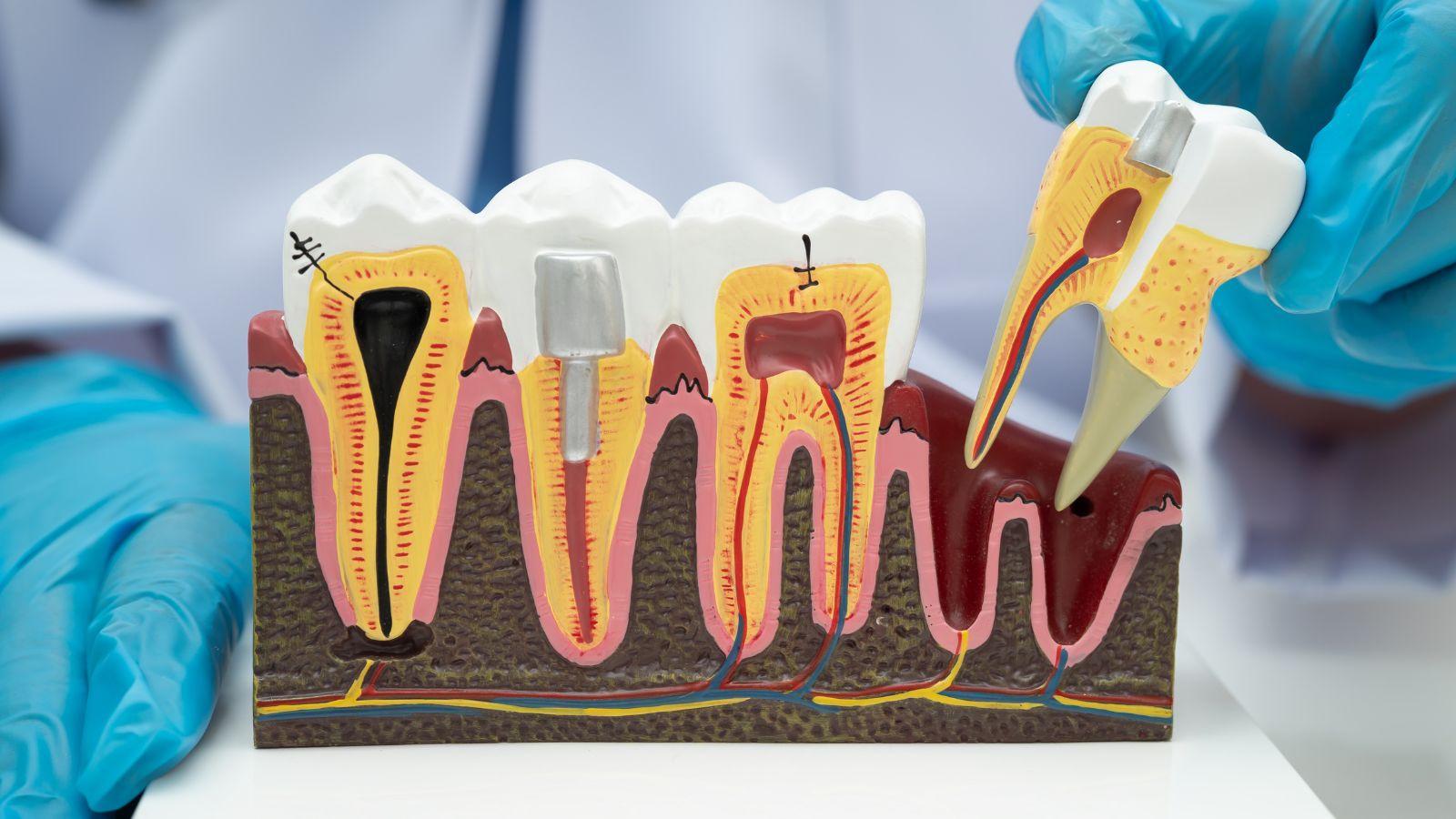
If you want a dependable, long-term solution for a full-arch smile in Florida, All-on-X dental implants in Florida often deliver decades of function and aesthetics when placed and maintained properly. With good oral hygiene, regular professional care, and healthy lifestyle choices, you can reasonably expect All-on-X implants to last 15–30+ years, and in many cases the titanium implants themselves can last a lifetime while prosthetic parts may need replacement sooner.
This article explains how implant design, bone quality, smoking, medical conditions, and maintenance influence outcomes in Florida’s patient population. You’ll learn what typically fails, how to reduce risks, how All-on-X compares to other options, and what lifetime costs and care look like so you can make an informed decision.
Understanding All-on-X Dental Implants
All-on-X replaces an entire upper or lower arch using a small number of implants, a fixed prosthesis, and specific materials and workflows. Expect details about naming, options, and the components that determine durability and maintenance.
What All-on-X Means
All-on-X refers to a full-arch prosthesis supported by a limited number of implants—commonly four to six—strategically placed to maximize bone support and avoid grafting when possible. You receive a fixed bridge attached to titanium implants that are integrated into your jawbone; that integration (osseointegration) is what provides long-term stability.
The “X” simply denotes a variable implant count. Clinicians choose the number based on your bone quality, bite forces, and anatomical constraints such as sinuses or nerves.
Immediate-load protocols often provide a provisional prosthesis the same day. Final restoration waits until healing confirms implant stability.
Types of Full Arch Solutions
Full-arch solutions fall into a few practical categories you’ll encounter: All-on-4/All-on-6 (fixed hybrid bridges), implant-retained overdentures (removable), and traditional individual implants for each tooth (less common for whole arches). Each option trades off cost, maintenance, and prosthetic longevity.
Fixed hybrid bridges give you a permanent-feeling arch that you don’t remove. Overdentures use implants for retention but allow removal for cleaning, often lowering upfront cost and simplifying repairs.
Your clinician will recommend the option based on bone volume, budget, hygiene ability, and esthetic goals.
Materials Used in All-on-X Restorations
Implant fixtures are almost always titanium or titanium alloy because of proven biocompatibility and high fatigue strength. Some practices use zirconia implants in select cases, but titanium remains the standard in most protocols.
Prosthetic frameworks commonly use titanium or cobalt-chrome alloys for strength, with veneering materials including acrylic, composite, or layered/monolithic zirconia. Acrylic-based teeth are easier and cheaper to repair; zirconia offers superior wear resistance and aesthetics but can be more brittle and costly.
Fasteners, abutments, and small parts are precision metal components that may require occasional maintenance or replacement.
Factors Impacting Longevity of Implants
These factors determine how long your All‑on‑X implants perform reliably and how often you’ll need professional maintenance or adjustments. They include daily care habits, lifestyle behaviors that affect healing and infection risk, and the quality of the bone supporting the implants.
Oral Hygiene and Maintenance
Your daily plaque control directly affects peri‑implant tissue health. Brush twice daily using a soft‑bristle brush and low‑abrasive toothpaste, and clean under the prosthesis with an interdental brush or water flosser to remove trapped food and biofilm.
Schedule professional maintenance every 3–6 months depending on risk. During visits your dentist or hygienist will check screw torque, seal integrity, and peri‑implant probing depths, and perform ultrasonic or manual debridement designed for implants.
Watch for early signs of trouble: bleeding on probing, persistent bad taste, or loosening of prosthetic components. Addressing these within weeks rather than months preserves bone and avoids complex revision surgery.
Patient Lifestyle Choices
Smoking doubles the risk of implant complications by impairing blood flow and immune response. If you smoke, quitting before surgery and avoiding nicotine during healing improves osseointegration and long‑term success.
Control systemic conditions you can modify. Poorly managed diabetes increases infection risk; aim for stable HbA1c and follow medical advice.
Certain medications (bisphosphonates, immunosuppressants) raise complication risk—discuss alternatives with your physicians and dentist. Diet and parafunctional habits matter.
Avoid hard, sticky foods that stress the prosthesis and address bruxism with a nightguard. Limit alcohol during early healing and keep follow‑up appointments as recommended.
Bone Density and Quality
Implant stability relies on sufficient bone volume and density at placement. Denser bone (typically in the front of the lower jaw) provides higher primary stability; softer posterior maxillary bone may need longer healing or adjunctive techniques.
If bone is deficient, your dentist may recommend grafting, sinus lifts, or zygomatic implants. These procedures change timelines and long‑term prognosis; grafted sites generally integrate well when proper protocols are followed.
You can assess bone health through imaging (CBCT) and bone quality classifications used by clinicians. Be proactive: treat periodontal disease, maintain calcium/vitamin D status if advised, and follow surgical instructions to optimize bone healing.
Common Causes of Implant Failure
You should monitor signs that threaten implant stability, understand mechanical risks from the prosthesis and hardware, and consider how chronic health issues or medications affect bone healing and infection control.
Peri-Implantitis
Peri-implantitis is an inflammatory infection of the soft tissues and bone around implants that often begins with plaque accumulation. You may notice bleeding on probing, increasing pocket depths, persistent bad taste, swelling, or radiographic bone loss; early detection matters.
Risk factors you control include inconsistent oral hygiene, missed professional cleanings, and smoking. Risk factors outside your immediate control include thin biotype gingiva, inadequate keratinized tissue, and residual cement from screw-retained or cemented prostheses.
Treatment options vary by severity: non-surgical debridement with antiseptics, localized antibiotics, surgical access and decontamination, and guided bone regeneration in cases with significant bone loss. Prompt intervention can arrest progression; however, advanced bone loss often requires implant removal.
Mechanical Wear and Complications
Mechanical failures stem from prosthetic overload, material fatigue, and connector or screw loosening. You may feel looseness, hear clicking, or observe chipping of the acrylic or porcelain teeth; these signs should prompt a dental visit.
Common causes include bruxism (nighttime clenching), uneven bite forces, and poorly designed occlusion on the prosthesis. Implant position and number also matter: fewer implants or distal cantilevers increase stress on each fixture.
Management ranges from occlusal adjustment, night guards, and screw retightening to prosthesis remake or replacement of damaged components. Regular maintenance visits reduce risk by allowing early tightening, lab repairs, and bite equilibration.
Systemic Health Conditions
Systemic factors affect bone quality, immune response, and healing capacity, directly influencing implant survival. You face higher risks if you have uncontrolled diabetes, osteoporosis (especially if treated with antiresorptives), or autoimmune disorders.
Medications matter: bisphosphonates and denosumab elevate risk of medication-related osteonecrosis of the jaw after surgery. Immunosuppressants and long-term corticosteroids can impair wound healing and raise infection susceptibility.
Work with your surgeon and medical providers to optimize medical conditions before implant placement. Preoperative glycemic control, medication review, and tailored surgical planning (e.g., staged grafting, antibiotic protocols) reduce failure risk and improve outcomes.
Expected Duration of All-on-X Implants in Florida
You can expect modern All-on-X restorations to provide long-term function, but actual duration depends on implant survival, prosthetic wear, and ongoing care. Location-specific factors such as climate, local dental access, and patient health patterns also affect outcomes.
Typical Lifespan for Florida Patients
Implant fixtures (titanium or titanium-alloy posts) commonly show very high survival rates in studies—around 97–99% at 5–13 years—so the structural implant itself often lasts decades with good bone health. The fixed prosthetic (the bridge or hybrid denture) typically requires replacement or major refurbishment sooner; many patients plan on replacing prosthetic teeth every 10–20 years depending on wear, esthetic preferences, and material (acrylic vs. zirconia).
Factors that change your timeline include smoking status, uncontrolled diabetes, history of periodontal disease, bruxism, and quality of the bone at placement. Regular professional maintenance—cleanings every 3–6 months, periodic radiographs, and prompt treatment of peri-implant inflammation—can extend both implant and prosthetic lifespan.
Regional Considerations and Climate
Florida’s warm, humid climate does not directly degrade titanium implants, but it can influence oral health behaviors and infection risk. Higher humidity can exacerbate fungal growth in the mouth for denture-wearers and may increase soft-tissue irritation if hygiene lapses occur.
Access to specialists matters in Florida’s metro areas versus rural counties. You should choose a provider experienced with All-on-X workflows, digital planning, and immediate-load protocols to reduce early failure risk.
Travel time to follow-up care also matters; frequent maintenance visits are easier in urban centers like Miami, Tampa, or Orlando than in remote regions.
Patient Case Studies from Florida
Case 1: A 62-year-old non-smoker from Tampa received an All-on-4 with immediate provisional bridge. Implants were stable at a 7-year recall; the provisional was replaced with a definitive zirconia hybrid at Year 1.
The patient required routine hygiene visits every 4 months.
Case 2: A 58-year-old smoker with prior periodontitis in Jacksonville experienced peri-implant mucositis at Year 2. After quitting smoking and undergoing professional debridement plus topical antimicrobial therapy, implants remained stable but the prosthesis needed refurbishing at Year 8 due to acrylic wear.
Case 3: A 70-year-old diabetic patient in Fort Lauderdale maintained good glycemic control and attended 3-month maintenance. Their implants and a zirconia bridge remained functional at Year 10 with minimal marginal bone loss on radiographs.
Maximizing Implant Success in the Long Term
Consistent home care, regular professional checks, smart eating choices, and modern implant technology each play a clear role in how long your All-on-X prosthesis will function. Focus on preventable risks, manage medical conditions, and use available technology to reduce complications.
Routine Dental Visits
Attend professional exams and hygiene appointments every 3–6 months based on your clinician’s recommendation. These visits let the dentist check peri-implant tissues, measure pocket depths, and take radiographs when signs of bone loss or mobility appear.
Request an implant-specific maintenance plan that includes professional cleaning with non-abrasive instruments and removal of calculus around implant abutments. Bring a list of medications and medical updates so the dental team can adjust care for conditions like diabetes or osteoporosis that affect healing.
If you notice bleeding, swelling, persistent bad taste, or loosening, schedule an appointment promptly. Early intervention for peri-implant mucositis prevents progression to peri-implantitis, which is more difficult and costly to treat.
Dietary Recommendations
Limit very hard or sticky foods that concentrate force on individual implants, especially in the first 3–6 months after loading. Cut foods into smaller pieces and avoid chewing directly on newly restored areas until your clinician clears you.
Maintain a balanced diet to support bone health: include adequate protein, calcium (e.g., dairy or fortified alternatives), vitamin D, and phosphorus. If you have chronic conditions or dietary restrictions, ask your provider about supplements and coordinate with your physician.
Avoid frequent acidic or sugary snacking that promotes peri-implant inflammation and biofilm buildup. If you consume alcohol or use tobacco, reduce or stop these habits because both increase the risk of implant complications and delayed healing.
Advancements in Technology
Digital planning and guided surgery improve implant placement accuracy, which reduces biomechanical stress and optimizes load distribution across an All-on-X arch. Ask whether your provider uses CBCT imaging and computer-guided templates for prosthesis design.
Materials and surface treatments for implants and prosthetic frameworks continue to evolve. Zirconia and titanium frameworks, improved abutment designs, and roughened implant surfaces enhance osseointegration and reduce micromovement risk.
Discuss material choices relative to esthetics and maintenance needs. Consider prosthetic designs that allow screw-retention instead of cementation to simplify retrieval and repair.
Also ask about implant-level monitoring tools—such as standardized radiographic follow-up and peri-implant testing—to catch early signs of trouble and extend the functional lifespan of your restoration.
Comparing All-on-X with Other Treatment Options
All-on-X gives you a fixed, full-arch prosthesis on fewer implants and often avoids bone grafting. Other options trade off cost, maintenance, and how natural the bite feels.
Longevity Versus Traditional Dentures
All-on-X prostheses attach to 4–6 implants per jaw, which stabilizes bone and reduces the jaw resorption you’d face with removable dentures. Expect the implant fixtures themselves to last decades with good oral hygiene and regular dental visits, while the prosthetic teeth or bridge components may need replacement or repairs every 7–15 years depending on material and wear.
Removable dentures sit on soft tissue and accelerate bone loss, which undermines fit and chewing over time. You’ll spend more on relines, adhesives, and replacements with dentures, and you’ll carry limits on diet and chewing efficiency compared with a fixed All-on-X bridge.
Performance Compared to Single Implants
Single implants replace individual teeth and distribute forces differently than an All-on-X arch. You get the strongest long-term support when healthy bone exists at each missing-tooth site.
Single implants preserve neighboring teeth and allow more precise occlusion for complex bites. All-on-X uses angled and fewer implants to support a full arch, which can be more forgiving when bone volume is limited.
That design gives immediate function in many cases but concentrates load across fewer fixtures. Prosthetic screws, acrylic or zirconia teeth, and hygienic access become critical for maintenance.
If you already have many healthy adjacent teeth, staged single implants or implant-supported bridges may offer better long-term biomechanics than converting the whole arch to All-on-X.
Potential Complications and Their Management
Complications can occur soon after surgery or years later, and many are preventable or manageable with timely care. You should know how to spot infection, prosthetic problems, and bone loss and what treatments your dental team will likely use.
Early Versus Late Complications
Early complications (days to months) most often include surgical-site infection, wound dehiscence, acute pain, and immediate implant failure due to poor primary stability. If you experience swelling, fever, persistent bleeding, or increasing pain within the first two weeks, contact your dentist immediately.
Early infections are usually managed with local debridement, irrigation, antibiotics targeted to oral flora, and sometimes temporary removal of prosthetic components to allow soft-tissue healing. Late complications (months to years) include peri-implantitis, progressive bone loss, screw loosening or fracture, acrylic/prosthetic wear, and aesthetic changes from soft-tissue recession.
Smoking, uncontrolled diabetes, and poor oral hygiene raise your long-term risk. Treatment ranges from non-surgical cleaning and local antiseptics for early peri-implantitis to surgical access with bone grafting and membrane placement for advanced defects.
Repair and Revision Strategies
Minor prosthetic problems such as loose screws, fractured acrylic teeth, or worn occlusal surfaces are commonly repaired chairside or in the lab. Your clinician can retighten or replace screws, reline or remake the denture flange, and replace individual prosthetic teeth without removing implants.
For structural failures or progressive bone loss you may need partial or full prosthesis removal and restoration of implant sites. Options include implant-level revision, additional implant placement, guided bone regeneration, or conversion to a different prosthetic design.
Choose a provider who documents the cause (occlusion, parafunction, surgical error, or infection) and presents a staged plan with timelines, expected outcomes, and cost estimates.
Preventive measures you must follow include:
- daily mechanical cleaning (interdental brushes, water flossers)
- scheduled hygiene visits every 3–6 months
- smoking cessation and medical optimization (glycemic control)
Cost Considerations Over a Lifetime
You should budget for an initial All‑on‑X treatment that typically ranges from high four figures to low five figures per arch, depending on implant number, materials, and lab work. Florida pricing varies by region and provider, so get itemized estimates before committing.
Expect routine maintenance costs: annual checkups, hygiene visits, and occasional adjustments or relines for the prosthesis. These recurring expenses are generally modest compared with the initial surgery but add up over decades.
Plan for possible component replacement. While titanium implants often last decades, prosthetic teeth, attachment components, or acrylic/porcelain teeth may need replacement every 7–15 years.
Factor in restorative work when projecting lifetime costs. Consider diagnostic and preparatory procedures separately.
CT scans, extractions, bone grafts, or sinus lifts increase upfront cost and can affect timeline and outcomes. Ask your provider for a full breakdown so you can compare treatment plans fairly.
Insurance and financing matter. Some dental plans cover portions of prosthetic work or diagnostics, and many practices offer payment plans starting at low monthly amounts.
Evaluate warranty terms, what provider follow‑up is included, and whether future repairs incur additional fees.
Use a simple cost checklist to compare options:
- Initial surgery and prosthesis price
- Preparatory procedures (grafts, extractions, imaging)
- Annual maintenance and hygiene
- Expected prosthesis/component replacement intervals
- Insurance coverage, warranties, and financing terms