
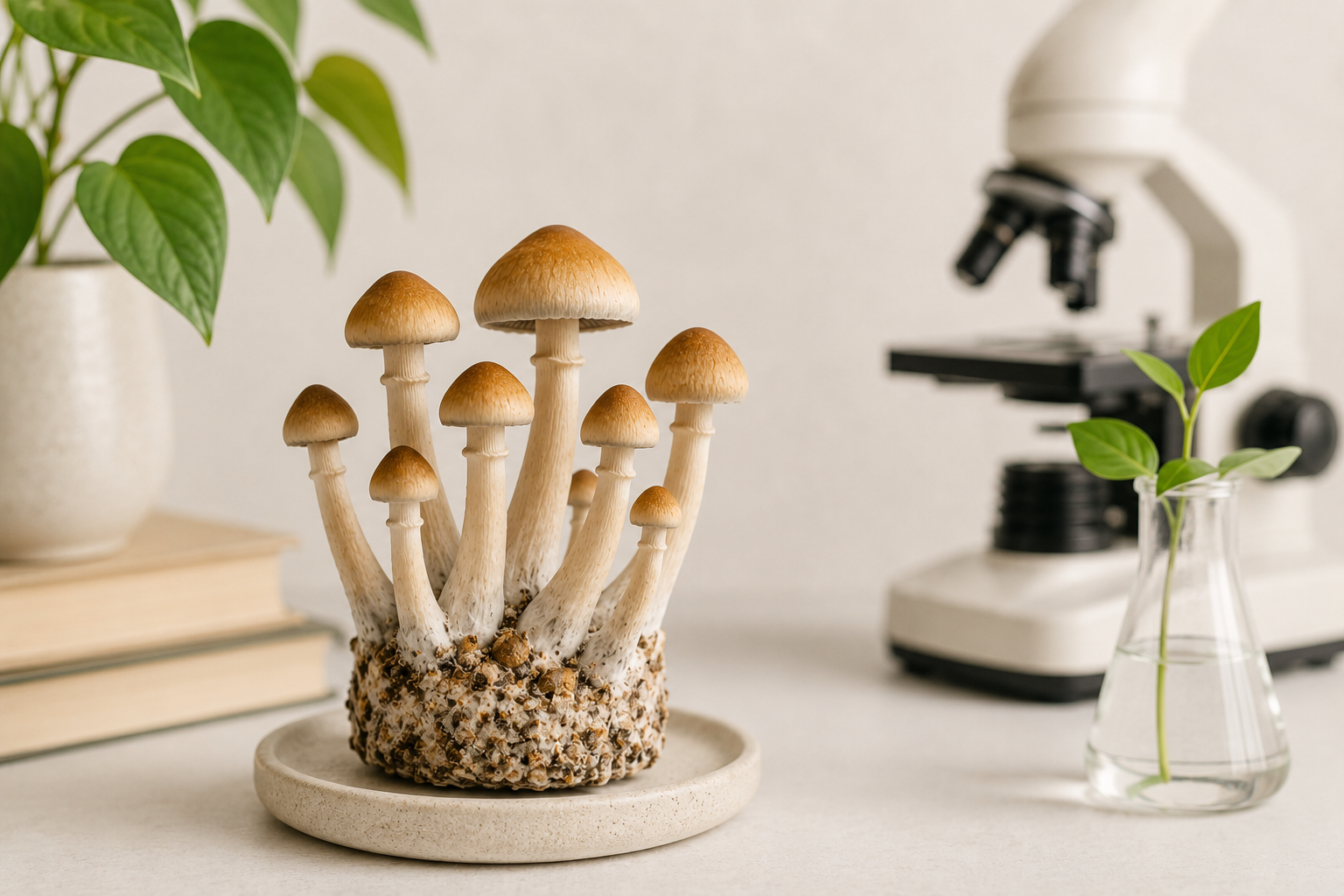
For centuries, naturally occurring fungi have played a role in cultural traditions, spiritual practices, and medicinal exploration. Among the most discussed varieties today are Psilocybin mushrooms, which contain psychoactive compounds capable of altering perception, mood, and cognition. Once considered a niche topic, these mushrooms have become the focus of extensive scientific research and public discussion.
In recent years, universities, healthcare institutions, and mental health researchers have investigated the potential therapeutic applications of psilocybin. This renewed interest has sparked conversations about mental health treatment, neuroscience, and the future of psychedelic medicine.
This article explores the origins, characteristics, scientific research, potential benefits, and safety considerations surrounding psilocybin mushrooms.
A Brief Look at Their Historical Background
Psilocybin-containing mushrooms have been used for thousands of years in various regions of the world. Archaeological evidence suggests that certain indigenous cultures incorporated these fungi into ceremonial and spiritual practices long before modern science identified their active compounds.
Traditional uses often involved:
These historical practices have inspired contemporary researchers to examine whether the psychological effects observed in traditional settings may have therapeutic value under controlled conditions.
What Makes These Mushrooms Unique?
Unlike ordinary edible mushrooms, psilocybin mushrooms contain naturally occurring psychoactive substances.
The two primary compounds are:
Psilocybin
Psilocybin itself is biologically inactive until it enters the body and is converted into psilocin.
Psilocin
Psilocin interacts with serotonin receptors in the brain, influencing mood, perception, and thought processes.
These interactions can lead to profound changes in consciousness that vary depending on numerous factors, including environment, mindset, and individual biology.
Species Found Around the World
Researchers have identified hundreds of mushroom species containing psilocybin or related compounds.
Some commonly studied species include:
Different species contain varying concentrations of active compounds, which can influence their effects and potency.
How the Brain Responds to Psilocybin
One reason scientists are fascinated by psilocybin is its influence on brain activity.
Research suggests that psilocin interacts primarily with serotonin receptors, particularly the 5-HT2A receptor. This interaction may affect communication between brain regions that are not typically connected in the same way during normal waking consciousness.
Some observed effects include:
These neurological changes have become a major focus of modern psychedelic research.
The Connection Between Psilocybin and Mental Health Studies
Perhaps the most significant reason for growing public interest is the increasing number of studies examining mental health applications.
Researchers are investigating whether psilocybin-assisted therapies may help address conditions such as:
Major Depression
Some clinical trials have explored psilocybin as a potential option for individuals who have not responded well to conventional treatments.
Anxiety Disorders
Scientists are studying whether guided psychedelic experiences can help reduce persistent anxiety symptoms in specific populations.
Trauma-Related Challenges
Researchers continue examining how psychedelic-assisted therapy may support emotional processing and psychological healing.
Addiction Recovery
Several studies are investigating the role psilocybin might play in helping individuals overcome harmful behavioral patterns and substance dependence.
While findings remain under active investigation, the results have generated considerable scientific interest.
Why Researchers Focus on Psychological Flexibility
Many mental health conditions involve repetitive thought patterns that can become difficult to change.
Psychological flexibility refers to the ability to:
Researchers believe psilocybin may temporarily enhance this flexibility, creating opportunities for therapeutic insight when combined with professional support.
This concept remains one of the most intriguing aspects of current psychedelic science.
The Importance of Environment and Mindset
Experts often emphasize that outcomes depend on more than the substance itself.
Two commonly discussed factors include:
Internal Mindset
A person's expectations, emotions, and mental state before an experience can significantly influence outcomes.
External Environment
The surroundings in which the experience occurs may also affect comfort, emotional security, and overall response.
In research settings, careful attention is given to creating supportive environments designed to maximize participant safety and well-being.
Potential Benefits Being Explored
Although research is ongoing, several possible benefits have emerged from clinical investigations.
Participants in some studies have reported:
It is important to note that experiences vary considerably, and researchers continue working to determine which individuals may benefit most from psychedelic-assisted interventions.
Understanding Possible Risks
Like any intervention that affects the brain and emotions, psilocybin is not without risks.
Potential challenges may include:
For this reason, professional screening remains a central component of responsible psychedelic research.
Legal and Regulatory Developments
The legal status of psilocybin varies widely across different countries and jurisdictions.
Some regions continue to prohibit its use entirely, while others have introduced programs allowing limited medical or research access.
As scientific evidence expands, policymakers are evaluating how best to regulate psychedelic substances while prioritizing public safety and healthcare standards.
This evolving legal landscape remains one of the most closely watched developments in the field.
The Role of Professional Organizations
As interest in psychedelic medicine grows, professional organizations are helping establish educational resources and clinical standards.
Groups such as the association for prescription psychedelics contribute to discussions surrounding research, policy development, practitioner education, and patient safety.
Their efforts support the responsible advancement of psychedelic medicine as scientific understanding continues to evolve.
Emerging Areas of Scientific Investigation
Researchers are exploring a wide range of questions related to psilocybin.
Current areas of study include:
Advances in neuroimaging technology have provided scientists with new tools for understanding how psychedelic compounds affect the human brain.
These discoveries may influence future treatment approaches across multiple areas of healthcare.
Public Perception and Cultural Change
Public attitudes toward psychedelics have shifted significantly in recent years.
Several factors have contributed to this change:
As more information becomes available, conversations about psilocybin are increasingly focused on evidence-based findings rather than stereotypes or misconceptions.
Looking Toward the Future
The future of Psilocybin mushrooms research appears promising. Universities and medical institutions around the world continue conducting studies aimed at understanding both benefits and limitations.
Future developments may include:
Although many questions remain unanswered, the growing body of evidence suggests that psilocybin will continue to be an important topic within mental health and neuroscience research.
Conclusion
Psilocybin mushrooms have a long and fascinating history that spans ancient traditions and modern scientific investigation. Today, researchers are working to better understand how these naturally occurring fungi influence the brain, emotions, and psychological well-being.
While research is still evolving, the increasing attention from scientists, healthcare professionals, and organizations worldwide highlights the importance of continued exploration. As knowledge expands, psilocybin may play a meaningful role in shaping future conversations about mental health treatment, neuroscience, and human consciousness.
FAQs
What are psilocybin mushrooms?
Psilocybin mushrooms are fungi that naturally contain psychoactive compounds such as psilocybin and psilocin, which can alter perception, mood, and cognition.
How do psilocybin mushrooms affect the brain?
After consumption, psilocybin converts into psilocin, which interacts with serotonin receptors and influences communication between various brain regions.
Why are scientists studying psilocybin?
Researchers are investigating its potential applications in mental health treatment, including depression, anxiety, trauma-related conditions, and addiction recovery.
Are all psilocybin mushrooms the same?
No. Different species contain varying concentrations of active compounds, resulting in differences in potency and effects.
What role does the environment play in the experience?
Mindset and surroundings can significantly influence emotional responses, comfort levels, and overall outcomes.
Is research on psilocybin still ongoing?
Yes. Scientists worldwide continue conducting clinical trials and neuroscience studies to better understand safety, effectiveness, and therapeutic potential.
Why are professional organizations involved in psychedelic research?
Professional groups help promote education, research standards, practitioner training, and responsible discussions surrounding psychedelic medicine.