
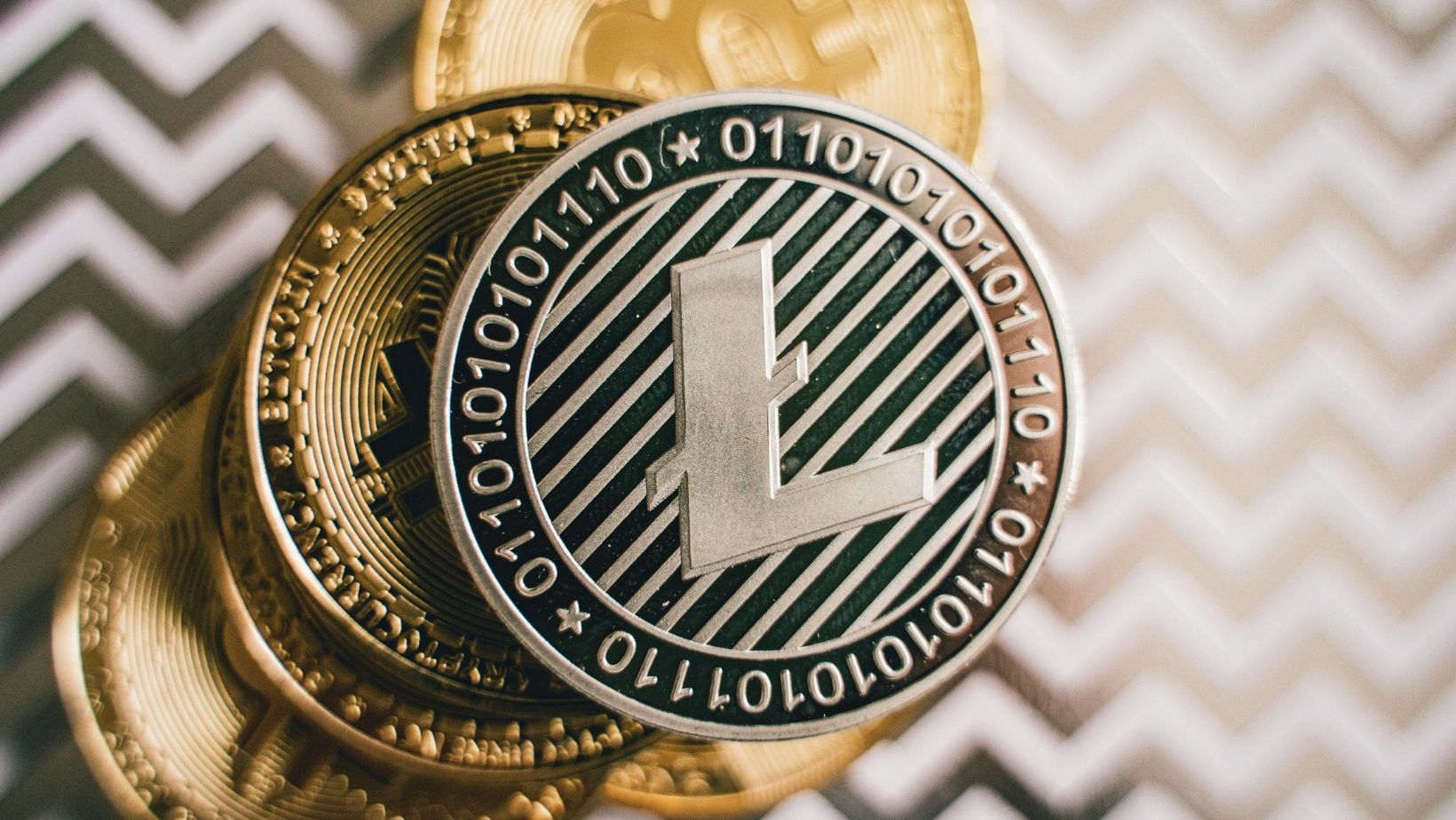
Litecoin (LTC) is a decentralized digital currency designed to enable fast, low-cost payments anywhere in the world. Created in 2011 by Charlie Lee, it was built as a lighter and more efficient version of Bitcoin, often described as “digital silver” compared to Bitcoin’s “digital gold”. For beginners entering crypto in 2026, Litecoin remains one of the most established and widely used cryptocurrencies, especially for payments and transfers.
What Is Litecoin and How Does It Work?
Litecoin runs on a blockchain, which is a public ledger that records every transaction. Instead of relying on banks, it uses a peer-to-peer network where users send and receive funds directly. If you’re just getting started, you can get Litecoin on Kraken because it offers a simple interface and guided onboarding.
Transactions on Litecoin are verified through a system called Proof-of-Work (PoW). This means miners use computing power to validate transactions and secure the network. In return, they earn newly created LTC as rewards.
One key technical advantage is speed. Litecoin processes blocks approximately every 2.5 minutes, making it significantly faster than Bitcoin’s 10-minute block time. This faster confirmation time makes Litecoin more practical for everyday payments, especially in situations where speed matters.
Key Features That Make Litecoin Unique
Litecoin isn’t just a copy of Bitcoin; it has specific features that give it a distinct role:
- Faster transactions: With quicker block generation, payments are confirmed sooner, making it useful for retail payments and cross-border transfers.
- Lower fees: Transaction costs on Litecoin are typically very low, making it suitable for sending small amounts without losing value to fees.
- Fixed supply: Litecoin has a maximum supply of 84 million coins, meaning no more can ever be created. This built-in scarcity helps maintain long-term value and prevents inflation caused by unlimited supply.
- Predictable Issuance: New coins are introduced through mining rewards, which are cut in half roughly every four years. This process is called “halving,” and it gradually reduces the rate of new supply entering the market.
What Is Litecoin Used For?
Litecoin’s real-world utility is one of its strongest advantages. You can use it for:
- Payments: Fast and affordable transactions make it practical for everyday use
- Remittances: Sending money internationally with lower fees than banks
- Trading: Frequently used as a trading pair on crypto exchanges
- Store of value: Some investors hold LTC long-term due to its capped supply
Because of its speed and cost efficiency, users often use Litecoin to move funds quickly between platforms or wallets.
Is Litecoin a Good Investment in 2026?
Litecoin is considered a low-risk entry point into crypto compared to newer, untested coins. It has been around for over a decade, with a strong track record of uptime and reliability. That said, it may not offer the explosive growth potential of newer cryptocurrencies. Instead, it appeals to investors looking for:
- Stability within the crypto market
- A proven network with real usage
- Lower transaction costs compared to many alternatives
Like any cryptocurrency, market demand, adoption, and broader economic trends influence its price.
Endnote
Litecoin remains one of the most practical cryptocurrencies for beginners in 2026. Its combination of speed, low fees, and a fixed supply makes it a solid option for both transactions and long-term holding. If you’re new to crypto, Litecoin is a good starting point to understand how blockchain-based payments work without dealing with high fees or slow processing times.