
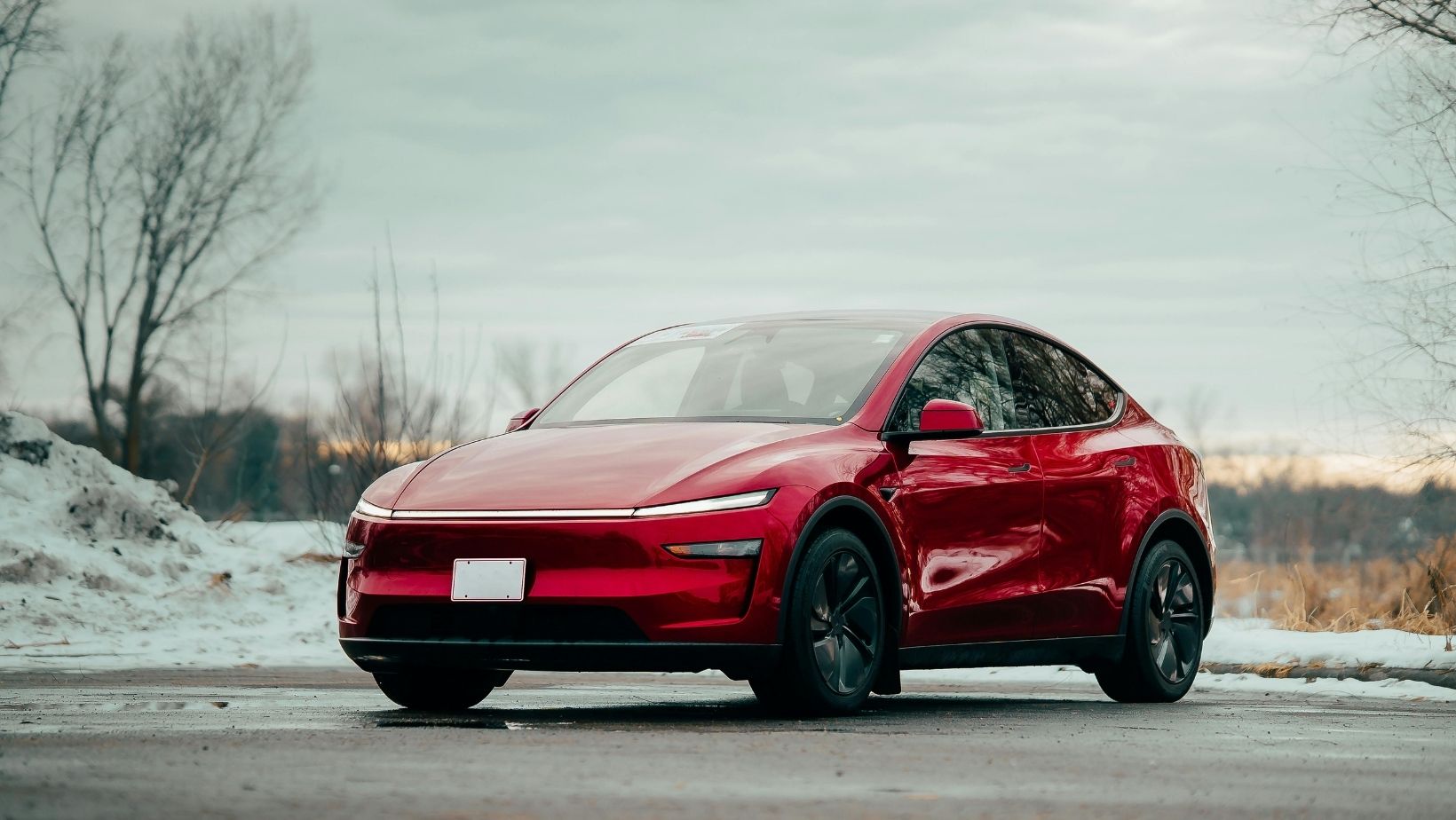
Shipping an electric vehicle (EV) across state lines requires hiring a carrier that understands the specific weight and safety requirements of high-capacity lithium-ion batteries. To ensure a successful move, you must maintain a battery charge between 30% and 50%, disable anti-theft systems like Tesla’s Sentry Mode, and choose between open or enclosed transport based on your vehicle’s value and ground clearance.
Understanding the EV Difference: Why Weight Matters
If you’ve driven an internal combustion engine (ICE) vehicle your whole life, you might think a car is just a car when it comes to shipping. From a logistics perspective, that isn’t true. The defining characteristic of an EV is its weight. Because of the massive battery packs sitting in the chassis, an electric SUV can weigh as much as a heavy-duty pickup truck.
Most car haulers have a strict gross vehicle weight rating (GVWR). When a trailer is loaded with six or eight electric vehicles, it hits its legal weight limit much faster than if it were carrying Honda Civics. This is the primary reason why shipping an EV often costs 15% to 25% more than shipping a gas car of the same size. You aren’t just paying for the space on the trailer; you’re paying for the “weight tax” that affects the truck’s fuel consumption and legal compliance.
The “Goldilocks” Battery Rule
One of the most common questions is: “Should I charge my car to 100% before it gets on the truck?”
The answer is a firm no. In fact, many carriers will ask you to keep the battery at a specific level.
- Too High (80-100%): Fully charged lithium-ion batteries are more volatile. While the risk of a fire is statistically low, transport companies prefer to minimize energy density during transit for safety reasons.
- Too Low (Under 20%): This is where “range anxiety” becomes real for the driver. Your car needs enough juice to be driven onto the ramp, off the ramp, and potentially moved around a terminal. Cold weather during a cross-country trip can also sap battery life while the car is stationary.
The “Goldilocks” zone is 30% to 50%. This is enough to keep the 12V system healthy and allow for loading/unloading without stressing the battery chemistry during the vibration of a long haul.
Choosing Your Transport Method: Open vs. Enclosed
When moving an EV to another state, you have two main options. The choice usually boils down to how much you value the paint job and the specific tech on your car.
Open Transport
This is the standard multi-car carrier you see on the interstate.
- Pros: Cheapest option, most available, easier to schedule.
- Cons: Exposed to rain, road salt, and debris.
- Best for: Daily drivers like a Nissan Leaf or a high-mileage Chevy Bolt.
Enclosed Transport
Your car sits inside a hard-sided or soft-sided trailer.
- Pros: Total protection from the elements, higher insurance limits, and specialized ramps for low-clearance vehicles.
- Cons: Costs roughly 40-60% more than open transport.
- Best for: High-end models (Tesla Model S Plaid, Lucid Air, Porsche Taycan) or any EV with a low hanging “belly” or air suspension.
| Feature | Open Transport | Enclosed Transport |
| Price | Economic | Premium |
| Protection | Basic | Maximum |
| Availability | High | Limited |
| Recommended for | Standard EVs | Luxury/Performance EVs |
Technical Prep: Beyond the Battery
Electric cars are essentially “computers on wheels,” and they behave differently when they feel movement they didn’t initiate.
1. Disable Sentry Mode and Alarms
If you own a Tesla, turn off Sentry Mode. If the car is on a trailer bouncing down a highway, the sensors will constantly trigger, flashing lights and recording video. This will drain your battery to zero before the truck even crosses the first state line. The same goes for any “tilt” or “motion” sensors in other EV brands.
2. Check Your Ground Clearance
Many EVs are designed with aerodynamic underbodies that sit quite low to the ground. If your car has an adjustable air suspension (common on Rivian and high-end Teslas), make sure it is set to “Transport Mode” or the highest clearance setting. Inform the driver if the car has a specific “Jack Mode” to prevent the suspension from trying to self-level while it’s strapped down.
3. Key Fobs and Digital Keys
Always provide the physical key fob or key card to the driver. Relying on a “Phone Key” via an app is risky for long-distance shipping because if the car’s 12V battery dies or there is no cellular service at the delivery point, the driver won’t be able to move the vehicle.
Finding a Specialized Carrier
Not every tow truck company is equipped to handle the nuances of an EV. You need to work with a Trusted Vehicle Transporter that understands the specific tie-down points for electric cars. Because the battery is often the entire floor of the car, hooking a chain to the wrong spot can result in catastrophic (and expensive) damage to the battery casing.
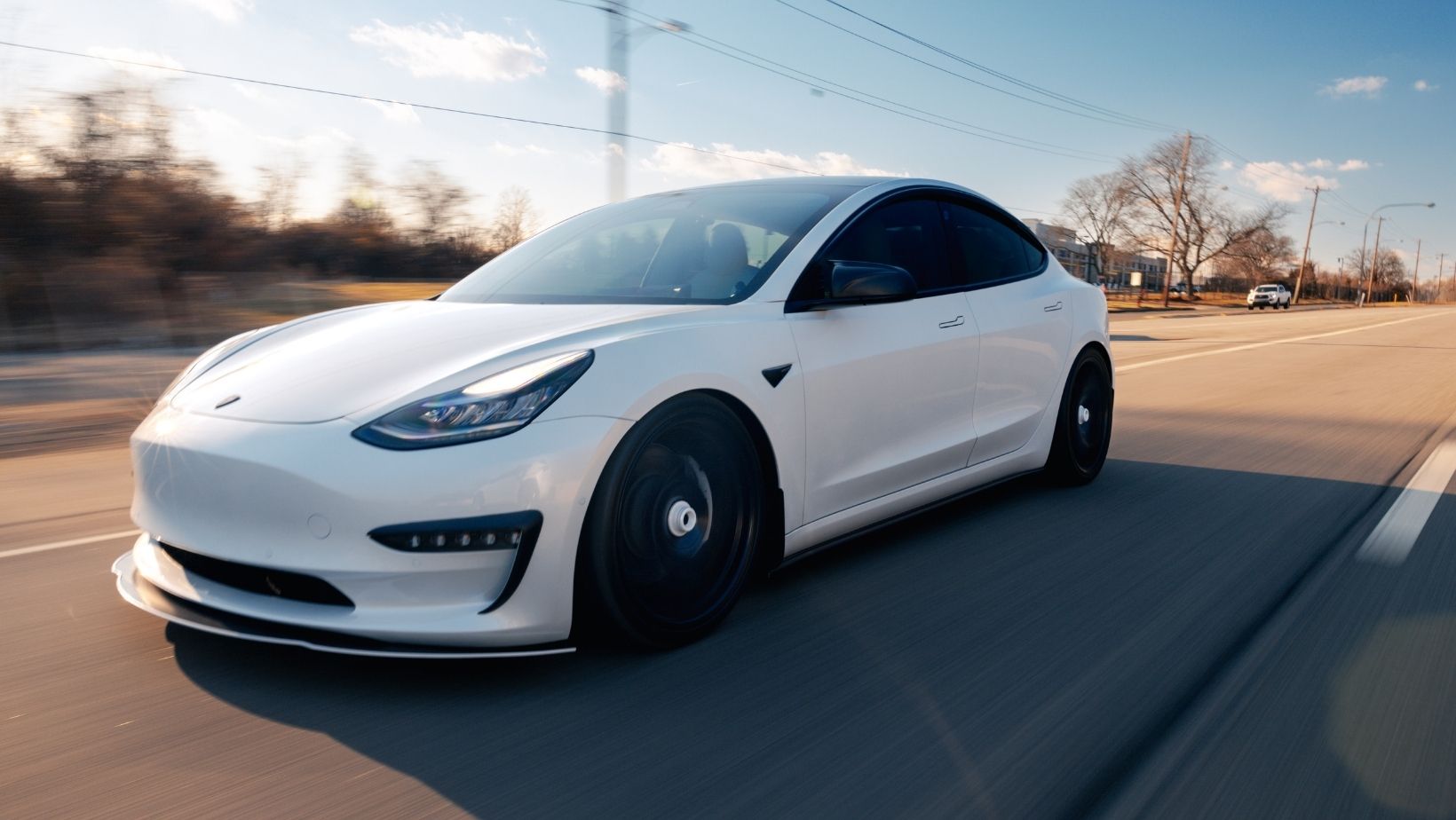
When vetting a company, ask if they use “over-the-tire” straps. These are much safer for EVs because they secure the vehicle by the wheels rather than the frame, avoiding any contact with the sensitive underside.
Estimating Your Costs
Shipping prices fluctuate based on fuel costs, seasonal demand, and the specific route. For example, shipping from New York to Florida in the winter (Snowbird season) is significantly more expensive than the reverse route.
To get a realistic idea of what you’ll be paying for your specific make and model, you should use an online shipping cost calculator. This allows you to input your vehicle’s weight which, as we discussed, is a major price factor and get a baseline quote before you start talking to brokers.
Finalizing Your EV Interstate Move: Insurance, Inspection, and Registration
To finalize an interstate EV move, you must verify the carrier’s cargo insurance, conduct a rigorous 360-degree inspection upon delivery, and update your registration within the state’s legal grace period. Addressing the 12V battery health and disabling specialized software features like “Sentry Mode” ensures the car arrives functional and ready for immediate use.
The Insurance Safety Net: Moving Beyond Your Personal Policy
One of the biggest misconceptions in car shipping is that your personal auto insurance covers everything. While some premium policies do offer “in-transit” coverage, most standard plans have gaps when your car is on a trailer.
When you hire a carrier, they are legally required to carry Cargo Insurance. However, the limits vary wildly. An electric car is a high-value asset often worth double what a similar-sized gas car costs. You need to verify that the carrier’s policy limit covers the full replacement value of your EV.
Pro Tip: Ask for a “Certificate of Insurance” (COI) directly from the carrier. Don’t just take their word for it. If you’re moving a $100,000 Lucid or a Tesla Model X, ensure their cargo limit isn’t capped at a lower “per-car” amount that leaves you underinsured.
The Bill of Lading (BOL)
Think of the Bill of Lading as your “receipt for the car.” It serves two purposes:
- Contract of Carriage: It’s the legal agreement between you and the driver.
- Condition Report: It’s a snapshot of your car’s condition at the moment of pickup.
If there’s a scratch that isn’t noted on the BOL at pickup, but appears at delivery, that’s your golden ticket for an insurance claim. If you miss a dent during the initial walkthrough, the insurance company will likely deny the claim later, arguing the damage happened before the transport.
The 12V Battery Trap: The Silent Killer of EV Shipping
Here is a “human” reality that often catches EV owners by surprise: Your massive traction battery (the one that moves the wheels) can be at 50%, but your car can still be “dead” on arrival.
Electric vehicles use a standard 12V lead-acid or lithium auxiliary battery to run the computers, locks, and lights. If the car sits for two weeks on a trailer in freezing temperatures, or if the driver accidentally leaves a door ajar, that 12V battery can drain. Because the main high-voltage system is disconnected for safety when the car is “off,” it won’t always top up the 12V battery during transit.
How to avoid the “Bricked” feeling:
- Check the Health: If your 12V battery is more than 3 years old, consider replacing it before a cross-country move.
- The “Jump” Protocol: Know where your 12V terminals are. On many EVs (like the Tesla Model 3/Y), they are hidden behind a panel in the frunk. Make sure the driver knows how to access them if the electronic locks won’t respond.
- Remote Apps: Resist the urge to “check in” on your car via the app every hour. Every time you wake up the car via the app, you’re draining that small 12V battery and the main pack.
Delivery Day: The 360-Degree Ritual
When the truck pulls up to your new home, the excitement is real, but you need to stay focused. This is the most critical 15 minutes of the entire process.
1. The “Under-the-Light” Inspection
If the car arrives at night, move it to a well-lit area or use a high-powered flashlight. Check the lower valance and the rocker panels. Because EVs are heavy, they sit lower on their springs during transport; road debris is more likely to strike the underside.
2. Check the “Glass and Roof”
Don’t forget the panoramic glass roofs common on EVs. Small pebbles kicked up on an open carrier can cause hairline fractures that aren’t immediately obvious unless you look closely.
3. Functional Test
Don’t just look at the paint. Get inside. Start the car. Check for any “system fault” errors on the screen. If the car was strapped down too tightly or incorrectly, it could potentially affect the alignment or the suspension sensors.
What if you find damage?
- Note it on the BOL: You must write the description of the damage on the Bill of Lading before you sign it.
- Take Photos: Take photos of the car while it is still on the trailer if possible.
- Don’t Refuse Delivery: Generally, you should still take the car. Refusing delivery makes the insurance process much more complicated. Pay the driver (unless it’s pre-paid), get your copy of the BOL, and contact the carrier’s claims department immediately.
Post-Move: Registration and the Paperwork Maze
Once the car is off the truck and in your garage, the “move” isn’t technically over. Every state has different rules for EVs.
State-Specific Registration
Most states give you 30 to 90 days to register your vehicle. Some states, like California or Washington, have specific environmental “smog” exemptions for EVs, but they might charge an EV Infrastructure Fee. Since you aren’t paying gas tax (which funds road repairs), many states add an extra $100–$300 to your annual registration to make up the difference.
Transferring Incentives
If you were receiving a state-level tax credit or a “HOV lane” sticker in your old state, those typically do not transfer.
- Check the “Clean Vehicle” website for your new state.
- You might find new rebates for installing a Level 2 charger in your new garage.
- Some utility companies offer lower electricity rates for EV owners who charge during off-peak hours.
| Task | Priority | Timing |
| Inspect for Damage | Critical | Immediately upon arrival |
| Check 12V Battery | High | First drive |
| Update Registration | Legal Requirement | Within 30 days |
| Research Local Rebates | Financial Gain | Within 60 days |
Final Thoughts: The Expert’s Perspective
Moving an electric car to another state isn’t “harder” than moving a gas car it’s just different. It requires a shift in mindset from thinking about mechanical parts to thinking about software and weight.
By keeping your battery in the 30-50% range, choosing the right carrier, and being meticulous during the delivery inspection, you ensure that your high-tech investment arrives ready for the road. Most transport issues stem from a lack of communication. Tell your driver exactly how your car behaves, where the tow eye is, and how to put it in “neutral” without the engine running.
The peace of mind is worth the extra preparation. After all, the first thing you want to do in your new state is explore not hunt for a jump-start or deal with insurance adjusters.