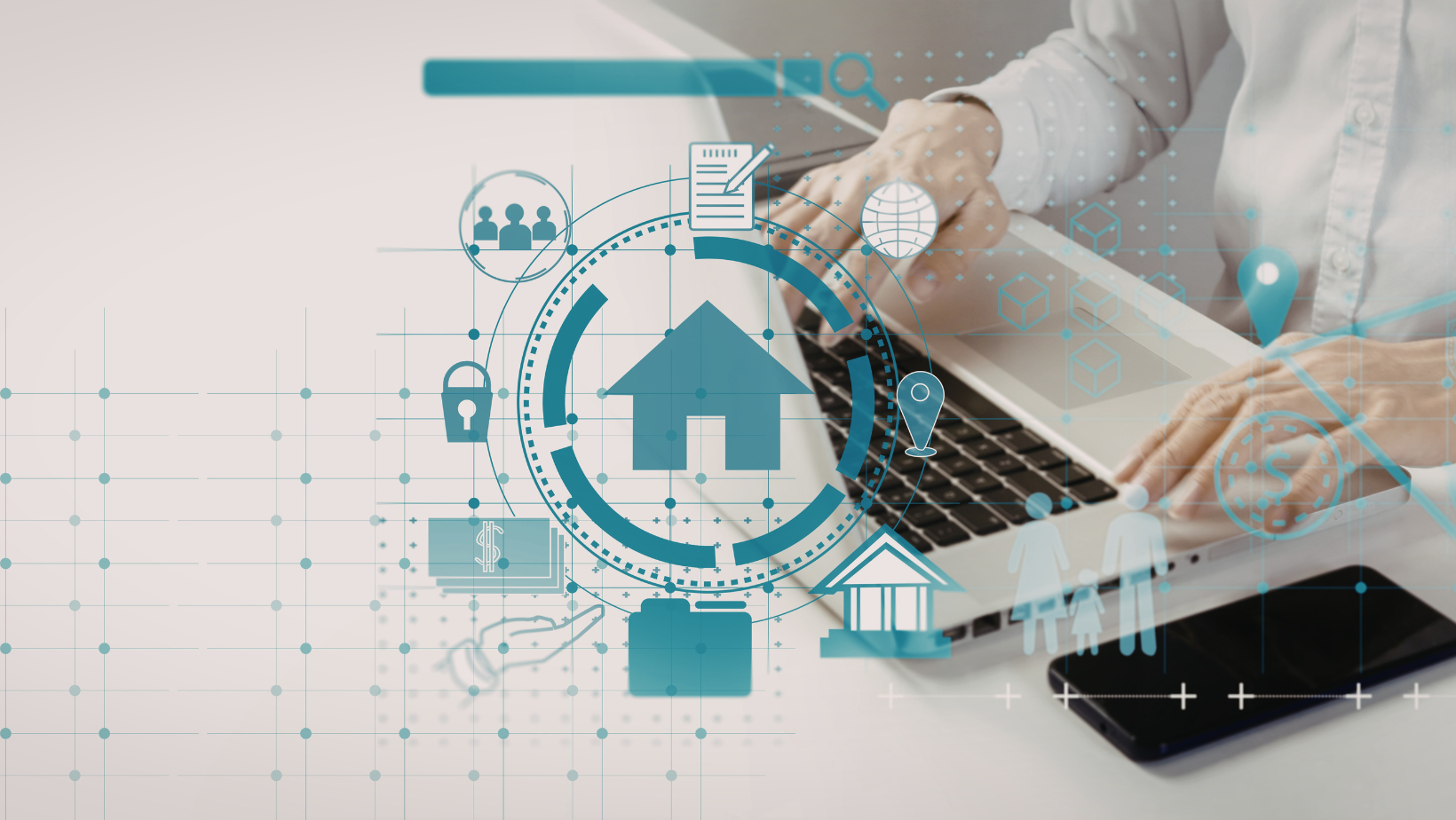
Compliance technology has shifted from a back-office checkpoint to a strategic, always-on partner in risk, governance, and growth.
Compliance made simple starts with integrated, intelligent ecosystems that streamline processes and deliver actionable insights across the entire lifecycle of governance, risk, and compliance.
Why Compliance Technology Must Evolve Now
Regulation, cybersecurity, AI, and data privacy are becoming one single pressure point for most businesses․
These new expectations mean that modern compliance teams need to monitor controls/risks in real time, provide audit-ready proof of compliance and use analytics to proactively identify rather than reactively resolve issues․
Achieving this will require organizations to develop and embrace compliance platforms that are policy-centric, automatically check for compliance, and surface compliance information and insights naturally․
Compliance will increasingly become an active activity, not just a periodic check․
The good news is that with the right investment in technology, compliance can become a source of efficiency and trust rather than just a cost center․
The Core Shift: From Reactive to Proactive Systems
Historically, compliance was achieved by manually verifying things with spreadsheets and audits every year․
This approach is often slow, brittle, and has gaps․
The modern leading approach is to automate compliance and make it part of everyday work․
This means systems that can detect deviations in real-time, automatically generate evidence for those deviations, and adapt to new rules․
Advantages of technology include reducing human error, faster reactions, better visibility to management, and an up-to-date picture of the risks․
When using technology that fits the organization well, an integrated view can be obtained that is easier to manage with more perception into the controls․
7 Smart Ways to Upgrade Your Compliance Technology
Here are seven practical ideas for modernizing your compliance stack that all focus on a high-yield, measurable outcome that enables more effective and efficient compliance with better use of automation, AI, and integrated governance․
1. Embrace Full Automation for Routine Checks
Instead of manual testing and email sign-offs, use automatic workflows that continuously verify controls, alert when controls are breached, and provide tamper-clear audit logs and records․
Automation is useful for enforcing policies and screening transactions that require uniform action, allowing teams to spend time on more calculated risks․
And with shorter audit cycles and improvements in accuracy, compliance becomes just part of the business rhythm․
2. Leverage AI for Smarter Decision-Making
AI is capable of consistently outperforming humans when processing large data sets, such as anomaly detection in big data, scanning legislation and regulations for required obligations, or predicting failures or issues․
Use cases such as reducing false positives in monitoring or contract review for hidden risks․
Stress that while AI extends human capabilities by flagging issues for review, it does not replace the trained human reviewer․
It allows greater perception without becoming too reliant․
3. Centralize Data in a Unified GRC Platform
Silos create blind spots․ Removing silos and replacing them with one integrated GRC platform creates one source of truth for policies, risks, controls, and issues, and shared dashboards across the organization․
Automated evidence collection, reporting, and risk view across the business gives leaders visibility into these trade-offs, elevating compliance discussions into the boardroom․
Integration into enterprise tools means companies avoid the data fragmentation point solutions cause, and data flows more naturally․
4. Implement Always-On Monitoring
Since snapshots are outdated, build an architecture where real-time dashboards, event-driven alerts, and automated playbooks can conduct the remediation process as soon as a detection occurs․

Critical environments like cybersecurity or finance may employ this to prevent small failures from cascading․
Dashboards convey how well controls are performing and where the threat to success is largest․
In the long term, this leads to an organizational culture of supervision rather than firefighting
5. Bolster Third-Party and Privacy Controls
Vendors and data flows are high regulatory risks․ Upgrade to tools that can automate third-party assessments and enforce access policy and data lineage end-to-end․
To achieve this, combining vendor monitoring and privacy-by-design solutions, such as encryption and role-based access, should both provide you the current privacy and regulatory compliance, while preparing you for future scrutiny across your ecosystem․
6. Prioritize User Adoption and Training
In the absence of acceptance, tools are simply useless․ Invest in interfaces, role-targeted training, and contextual feedback to tailor tools to actual usage․
Embed the guidance in their workflow so users understand how and why the tools protect them and make things easier, and they will adopt, accept, and comply with the controls, improving overall data quality․
7. Structure Implementation as a Phased Change Program
Treat upgrade work as an enterprise transformation to avoid getting too much in technology mode․
Follow an upgrade roadmap, assessing gaps for today and then for the future․
Experiment and scale․
Adopt phased implementation to reduce disruption and show value․
Continuously validate changes using metrics such as audit duration and incident frequency․
The systematic approach ensures sustained success despite regulatory changes․
Essential Capabilities for Modern Compliance Stacks
Focus on platforms with these foundational features to future-proof your investments:
| Capability | Primary Benefits |
| Automation & Workflows | Enforces consistency; cuts manual effort. |
| AI & Analytics | Detects patterns; prioritizes risks. |
| Real-Time Dashboards | Instant visibility into issues. |
| Unified GRC Integration | Breaks silos for holistic views. |
| Privacy & Security Tools | Aligns with data protection mandates. |
| Third-Party Monitoring | Manages supply chain vulnerabilities. |
| Adoption-Focused Design | Drives usage through simplicity. |
These elements create resilient systems that scale with your organization.
Integrating AI Platforms Like Luthor.ai
Next-gen AI tools can automate compliance processes and tackle complex tasks that legacy tools cannot, such as Luthor․ai’s machine learning platform that analyzes millions of regulatory documents to identify gaps and simulate risk scenarios․
Measuring Success and Next Steps
Set KPIs to measure the compliance program’s success (reduced cost of compliance, faster audit cycle time, fewer violations) and compare with industry standards․
To align technology solutions with an organization’s goals, reference industry frameworks that describe the functions: identify, protect, detect, respond, and recover․
When you make compliance part of your digital strategy, it can help set your company apart from competitors․
In addition to being efficient, transparent, and embedded in your growth strategy, it can provide protection while opening up new opportunities․