
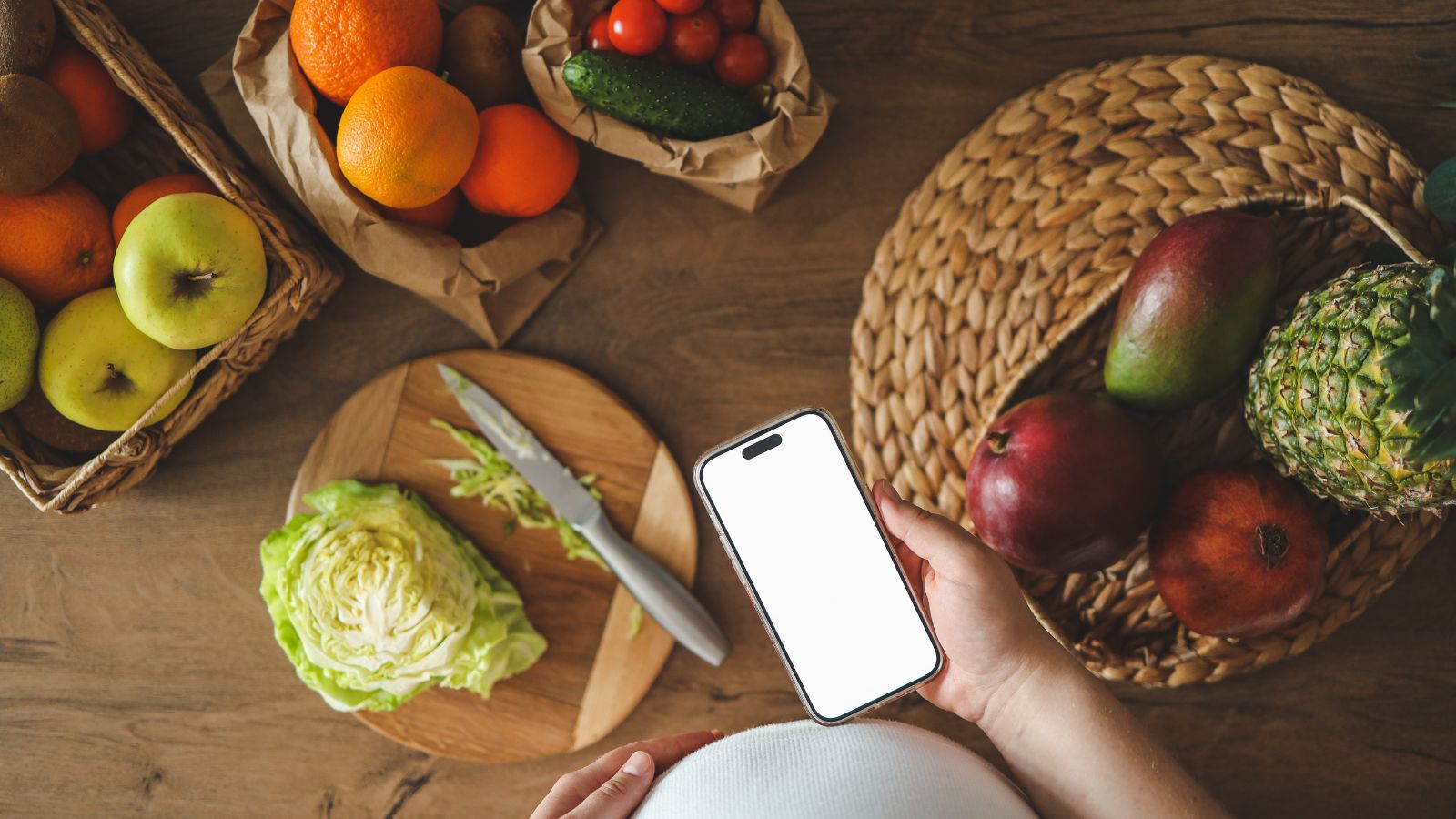
How Diet Apps Are Changing the Way We Plan and Prepare Meals?
Daily life places pressure on time use, and people often miss planning meals that support nutrition during work hours and personal routines. Health apps support this gap through nutrition guidance using digital plans and food tracking systems.
Diet Apps Becoming Part of Daily Living
Diet apps shifted from small interest tools into common daily systems for health support. In the past decade, calorie tracking happened through manual writing in notebooks or data sheets. Phones and wearable tools now log meals, count calories, and link activity data with fitness trackers. This growth follows a health focus across communities and personal care awareness. Public concern around obesity, lifestyle illness, and prevention drives digital food planning use. Apps now support eating routines and limit dependence on nutrition experts for each decision.
How Diet Apps Plan Meals for Different Needs?
Personalization sits at the heart of diet apps. People like having that sense of control and clarity when deciding what to eat, and these apps make it easy. Right away, they ask for basics like age, weight, height, activity level, and health goals. You punch in the info and the app starts tailoring advice to fit you.
- Weight Loss
Diet programs that determine daily caloric needs based on age, weight, height, and activity level for those who wish to lose weight. Breakfast could include oatmeal with berries (250 calories, 8g protein, 45g carbs, 5g fat). Lunch might feature grilled chicken salad (350 calories, 30g protein, 20g carbs, 12g fat). Users who dislike chicken can get alternatives like tofu or fish with matching nutrition from the app. Manual meal logging or AI food scanners help track calories throughout the day. Photo-based scanners recognise food items and calculate calories plus nutrients immediately. Macro guides (protein, carbs, fats) appear alongside micronutrient recommendations (iron, calcium, vitamins) for complete nutrition. Weekly grocery lists output precise amounts of ingredients for your menu plans, which may include 2 cups of spinach, 500g of chicken breast, and a box of oats, that sort of detail which puts users at ease as they shop. In some versions of intermittent fasting, you may see alerts that mark the start and end of each period for better daily structure. Cardio workouts such as running, cycling, and HIIT, in conjunction with strength training, support fat loss through a balanced diet and exercise.
- Muscle Gain
When folks are dead set on building muscle, diet apps tend to steer them towards high-protein meal plans with a calorie surplus that can actually support growth. They do this by first figuring out the user’s body composition and how intense their workouts are, then recommending things like scrambled eggs on whole grain toast for breakfast (that’s roughly 400 calories, 25g of protein and 30g of carbs, with 15g of fat). They also suggest lentil curry with rice (that’s a whopping 500 calories, 20g of protein, 70g of carbs and 10g of fat). The recipes are customized to your taste, so if you’re a vegetarian at heart, the app will recommend legumes, paneer and quinoa over meat. It also keeps an eye on your calorie and macronutrient intake to make sure you’re getting enough protein (so that’s roughly 1.6-2.2g of protein per kilogram of body weight) and get the carb and fat balance right for energy and hormone health. The apps also highlight some of the key minerals like magnesium and zinc, for when your muscles need to recover. They then make a shopping list with bulk items for you to pick up, like 12 eggs, 2 kilograms of chicken breast, 1 kilogram of brown rice and some whey protein powder. Some apps even sync with gym schedules, suggesting pre- and post-workout meals for energy and recovery. Workout recommendations are more intense here: strength training routines (bench press, squats, deadlifts, push-ups) and progressive overload plans are suggested, often with video tutorials. The app may also track progress by syncing with fitness wearables, showing how nutrition and exercise together drive muscle gain.
- Medical Needs
Medical conditions require diet apps to create health-safe meal plans prioritising balanced nutrition without harmful foods. Diabetic patients receive meals designed to stabilise blood sugar levels throughout the day. Vegetable omelet with whole-grain toast offers 300 calories, 20g protein, 25g carbs, 10g fat at breakfast. Grilled fish with steamed broccoli and quinoa provides 400 calories, 30g protein, 35g carbs, and 12g fat for dinner. Refined sugars and processed foods disappear while whole grains, lean proteins, and fiber-rich vegetables take priority. Glycemic index (GI) tracking helps users understand blood sugar responses to different meals. Fiber, potassium, and omega-3s appear in nutrient guides for heart health maintenance. Steel-cut oats, leafy greens, olive oil, and lean meats fill diabetic-friendly shopping lists. Medication reminders combine with blood sugar logging features for comprehensive health management. Exercise recommendations are gentle but effective: walking routines, yoga, light resistance training, and sometimes low-impact aerobics to improve insulin sensitivity. The AI food scanner is especially useful here, as it can quickly flag foods high in sugar or carbs when scanned, helping users avoid risky choices.
Some apps take it further. They bring in real nutritionists, kind of like what Unimeal support offers. You get direct, personalized suggestions from an expert, not just a generic algorithm. That kind of support makes it easier to build healthy habits without feeling boxed in or deprived.
Nutritional Values and Suggested Food Routines
Diet apps break down a meal into calories, proteins, fats and carbs to give you a handle on what you’re eating. They also try to point out meal routines for different times of the day to make healthy eating easier.
- Weight Loss User
For someone looking to shed a few pounds, the app might recommend a balanced low-calorie meal plan that you can follow throughout the day. To start with, it suggests whipping up a bowl of oatmeal cooked with skim milk, then topping it with sliced apple and a teaspoon of chia seeds. This gives you about 280 calories and a good dose of fibre and slow-burning carbs. Later on, the plan says to have grilled chicken breast (a 100g serve) with steamed broccoli and quinoa, which is around 450 calories, and it’s high in protein with a decent amount of carbs. The chicken’s seasoned with a bit of lemon and pepper and grilled to perfection. In the evening, a veggie soup made with carrots, spinach and lentils is served with one slice of whole-grain bread to give you another 350 calories. The whole thing keeps your daily intake in the 1,100-1,200 calorie range while still giving you the good stuff.
- Muscle Gain User
If you’re after bulking up, the app will create a meal plan that’s higher in calories and protein to help you build strength and recover. To start the day, the plan says to have scrambled eggs made from three eggs, served with whole-grain toast and some sliced avocado. This gives you about 450 calories with a good dose of protein and healthy fats. The recipe’s simple enough, just whisk the eggs, cook them in olive oil and serve them up with toast and avocado. In the afternoon, the plan suggests grilled salmon (150g) with brown rice and roasted vegetables, which is around 650 calories and you get a healthy dose of omega-3 fats and complex carbs. In the evening, the plan is for a beef stir-fry with bell peppers, onions and soy sauce, served over noodles. This gives you another 700 calories with some much-needed protein and iron. Overall, this plan’s a whopping 1,800-1,900 calories, so you’ll get all the energy you need to build and repair your muscles.
- Medical Needs
If you’ve got specific medical needs, like diabetes, the app will tailor the plan to suit what you need. For example, if you’re diabetic, it will suggest low-glycemic foods and a slow energy release throughout the day. The morning plan says to have Greek yogurt (150g) with some walnuts and blueberries. This gives you about 250 calories and a good dose of protein and antioxidants. It’s a simple enough recipe, just mix the yogurt with nuts and berries and you’re good to go. In the afternoon, the plan suggests grilled turkey breast with some sautéed spinach and a small sweet potato that’s around 400 calories and you get some lean protein and controlled carbs. In the evening, the plan’s for a chickpea curry with cauliflower rice that’s about 350 calories and it’s high in fibre and low glycemic. The recipe’s simple enough, just cook the chickpeas with some tomato, onion and mild spices and serve them up with lightly sautéed grated cauliflower. Overall, this plan keeps your daily intake in the 1,000-1,100 calorie range.
| User Type | Morning Meal & Calories | Afternoon Meal & Calories | Evening Meal & Calories | Daily Total | Key Nutrients |
|---|---|---|---|---|---|
| Weight Loss | Oatmeal with skim milk, apple slices, chia seeds (≈280 cal) | Grilled chicken breast (100 g) + steamed broccoli + quinoa (≈450 cal) | Vegetable soup (carrot, spinach, lentils) + whole-grain bread (≈350 cal) | ≈1,100–1,200 cal | Fiber, lean protein, complex carbs |
| Muscle Gain | Scrambled eggs (3) + whole-grain toast + avocado (≈450 cal) | Grilled salmon (150 g) + brown rice + roasted vegetables (≈650 cal) | Beef stir-fry (bell peppers, onions, soy sauce) + noodles (≈700 cal) | ≈1,800–1,900 cal | High protein, omega-3 fats, iron |
| Diabetic Needs | Greek yogurt (150 g) + walnuts + blueberries (≈250 cal) | Grilled turkey breast + sautéed spinach + sweet potato (≈400 cal) | Chickpea curry + cauliflower rice (≈350 cal) | ≈1,000–1,100 cal | Low glycemic carbs, fiber, antioxidants |
According to a study done by the CSIRO, having a structured meal plan can make it easier to stick to a healthy diet and avoid overeating. And that’s exactly what diet apps do: they offer up ready-made plans that balance calories and nutrients throughout the day so you can get on with living your life.
How Apps Make Us Better at Being Healthy?
Beyond just helping us meal plan, diet apps do their part to nudge us into healthier behavior through reminders and tracking. Yeah, you get push notifications reminding you to eat at regular intervals or to keep an eye on how much water you’re drinking or whether you’re snacking too close to bedtime. They also help with portion control, giving you a visual idea of how much you should be eating at a time, or even suggesting serving sizes to stick to. And some of them integrate with all those fitness trackers people love so much, so they can adjust how many calories you’re supposed to be taking in based on how much you’ve been moving around that day. For instance, if you’ve just burned off 500 calories at the gym, the app might figure you deserve a snack to keep things in balance. Research published in JMIR mHealth and uHealth shows that health apps have a real knack for helping people keep tabs on their eating and stay on top of their weight for the long haul which just goes to show that having digital tools in your corner can be a pretty big deal when it comes to keeping a healthy lifestyle.
The Bottom Line
Diet apps are changing the way we do our meal planning for the better! They offer up personalized advice, break down the nutritional ins and outs, and even help us get into healthy routines. They aren’t supposed to replace a doctor or nutritionist, but they are a super useful tool for when you need some everyday health guidance.