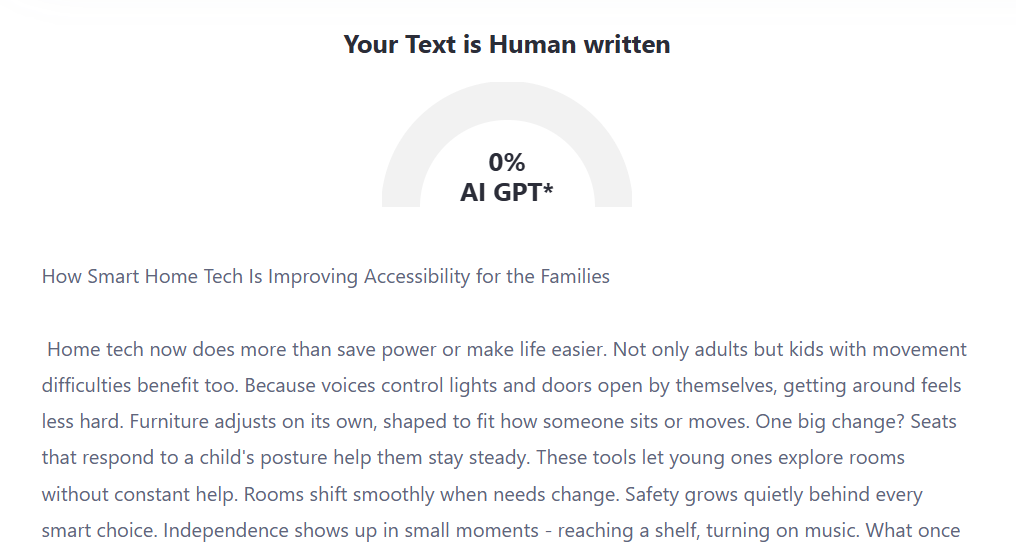
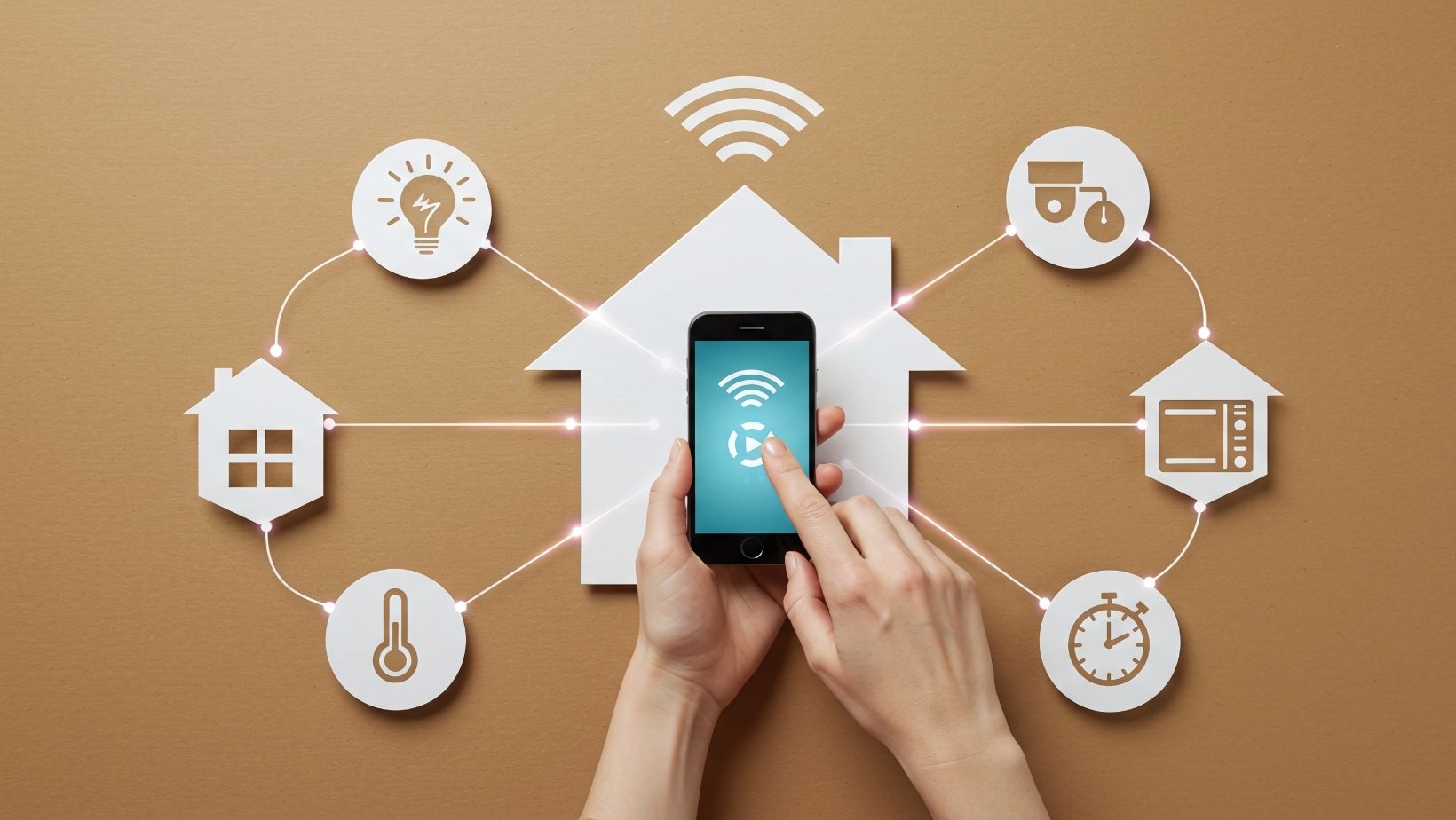
Home tech now does more than save power or make life easier. Not only adults but kids with movement difficulties benefit too. Because voices control lights and doors open by themselves, getting around feels less hard. Furniture adjusts on its own, shaped to fit how someone sits or moves. One big change? Seats that respond to a child’s posture help them stay steady. These tools let young ones explore rooms without constant help. Rooms shift smoothly when needs change. Safety grows quietly behind every smart choice. Independence shows up in small moments – reaching a shelf, turning on music. What once seemed like distant future stuff now lives inside everyday walls.
When more people start thinking about inclusive spaces, new smart home tools begin showing up – built right into how things work. Instead of standing in the way, these gadgets help bodies move easier, keep spines aligned, and give kids room to do things on their own. Parents find mornings less heavy when tasks slip smoother through the day.
Understanding Accessibility in the Modern Family Home
What makes a house truly accessible isn’t just ramps or wide doors. Built-in ease matters most – spaces shaped around how people actually live. When kids need special seats or help moving, design should reduce effort.
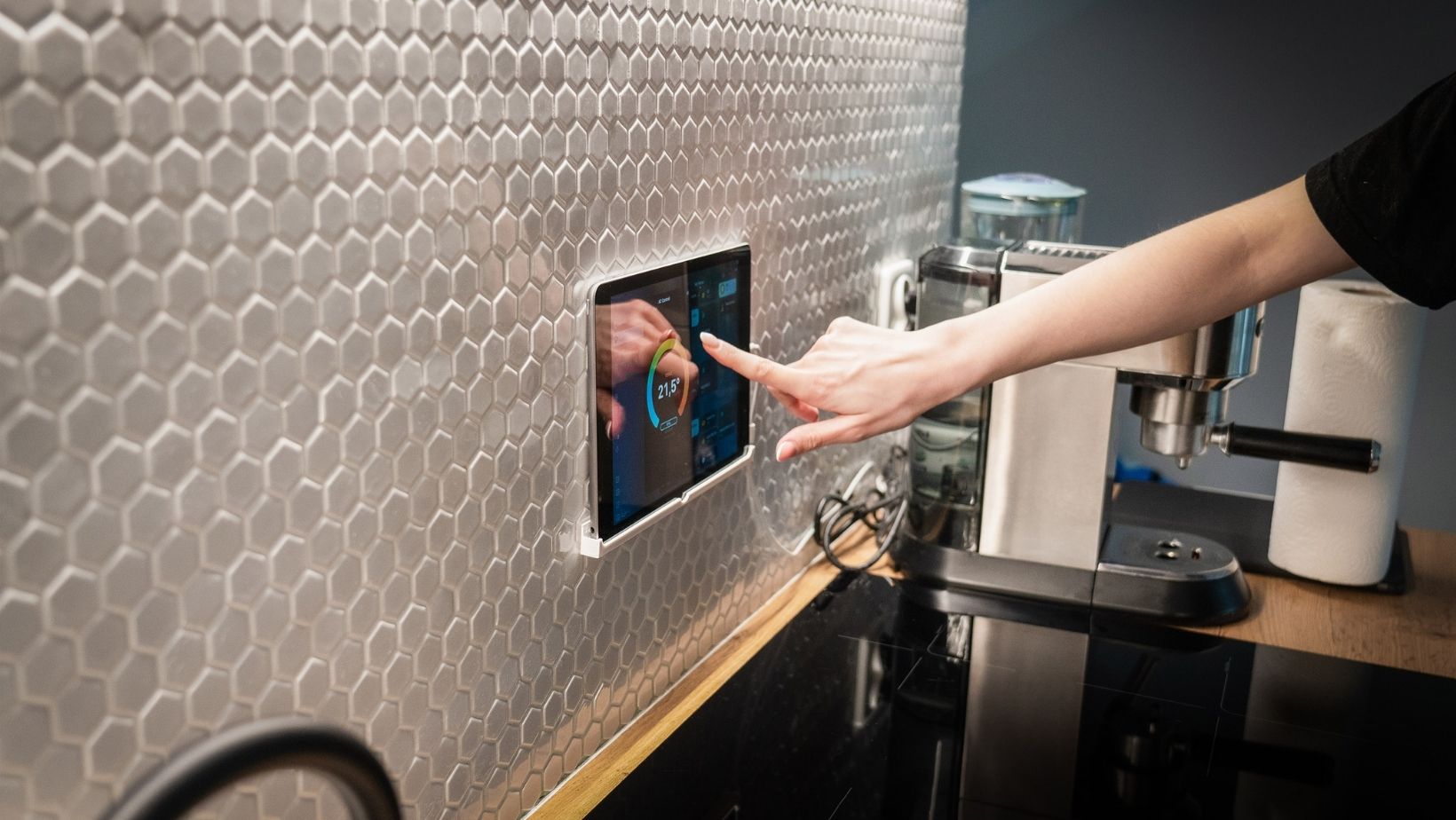
Families find it easier to adjust their homes when lights, temperature, doors, and alerts run on automatic settings. Because routines need less hands-on control, daily life fits better around movement challenges. With seating that supports the body right, sitting stays comfortable through homework, games, or quiet time. These setups work together so energy lasts longer across different activities.
The Role of Smart Home Technology in the Accessibility
When gadgets talk to one another at home,life shifts in a quiet way. Inside that linked setup, kids who face challenges walking find new flow. Doors open themselves, beds tilt when needed, voices flip lights – effort drops away. Moving around becomes something a child handles, not just endures.
Now here’s something different – seats that change shape based on how a kid sits. Settings like height or back angle shift using phone tools or spoken words, keeping comfort steady while bodies get bigger. What used to live only in medical rooms now fits inside living rooms. Technology drags those old clinic perks right into regular homes.
How Adaptive Seating Becomes Smarter at Home
A little tilt here, a shift there – how a chair moves can matter more than it seems. When kids face challenges with posture, sitting steady isn’t always simple. Settings adjust on their own, guided by routines tied to daily moments like eating or reading. Alignment stays consistent because changes happen without needing to ask. What helps most? The way technology blends into ordinary minutes of the day.
When a kid takes a seat for homework, lights dim gently while the desk rises just enough. A chair knows when it’s being used, so the adaptive seating shifts without anyone asking. Over time, sitting right feels natural because small changes add up quietly. Movement stays easier through the day since stiffness never gets a chance to start. Support shows up softly, built into moments nobody notices.
Enhancing the Pediatric Mobility Through Automation
When their kids can be moved around more easily, they engage better with what’s around them. Getting help from smart devices at the home often means fewer barriers in their way. Using voice commands, young ones turn on lights, control media, or ask for support – all while staying put. Moving less becomes possible, depending less on adults.
Lights along the floor turn on by themselves, showing kids the way when it is dark. Instead of guessing how warm a room should be, digital temperature systems adjust quietly throughout the night. One thing leads to another – less strain on young bodies means easier motion during recovery. Confidence grows not through big changes, but steady ones that add up without drawing attention.
Smart Furniture and Its Impact on Daily Life
Furniture that thinks for itself is showing up more in homes where kids need flexible support and help moving around. Beds, workspaces, and seats shift on their own at set times, encouraging natural shifts in posture. When young ones stay seated too long, these changes matter – keeping joints loose, muscles active. Staying still less means bodies feel better through the day.
Furniture that thinks along with your home’s tech helps keep things steady for everyone. When chairs shift on their own, hands-on help becomes rare. Caregivers find space to connect, not just rearrange.
Safety and Monitoring for Peace of Mind
Families often worry about keeping kids safe when movement is a challenge. Technology built into homes now watches quietly, helping guard against risks. When a youngster wanders where they should not be, motion detectors send a signal. Cameras connected online let caregivers check in from another room – or another state. Devices worn on the body link up with these systems, giving alerts if help might be needed.
As seating adjusts, monitors keep an eye on how long someone sits and shifts positions. When time passes, alerts let caregivers know a new posture is needed.
Adapting as Children Grow
As kids grow, their needs shift fast – particularly around seating and pediatric mobility movement aids. Because of this, homes with smart setups can adapt right alongside them. Settings adjust smoothly, matching new stages of development. Equipment evolves too, fitting changing bodies over time. Support stays just right, even as little ones get bigger. Fewer replacements mean less hassle down the road.
One reason smart homes save money over time is their flexibility. Instead of changing rooms again and again, households adjust what they already have when needs shift – keeping life steady and support consistent.
The Future of Accessible Smart Homes
Home tech keeps evolving, shaped by how well it includes everyone. With smarter AI and better sensors, settings can adjust on their own to fit individual needs. Chairs might shift position without a command, sensing tiny shifts in how someone sits. For children who rely on mobility aids, systems could act ahead of time, reducing stress on young bodies.
When tech spreads into everyday life, access won’t sit on the sidelines – it’ll simply be part of how houses work. Homes will quietly help people stay steady, feel better, and move freely without making a show of it.
Conclusion
Home tech that thinks ahead changes how households manage daily access. With seats that adjust themselves, movement gets easier for kids who need extra support. Rooms react now instead of later – safer, smoother, simpler. Less strain shows up in routines when devices help without being asked. Independence grows quietly through small moments made possible by smart setups.