Picture this: It’s 2 a.m. You’re wide awake, shuffling to the bathroom for the third time tonight. You wonder, “Is this just getting older, or is my prostate trying to tell me something?” If you’ve ever worried about prostate health, you’re not alone. The truth is, most men ignore their prostate until it starts making noise—literally and figuratively. But you don’t have to wait for trouble. With the right prostate health tips, you can take charge before those late-night bathroom trips become your new normal.
Why Prostate Health Tips Matter—Even If You Feel Fine
Let’s break it down. The prostate is a walnut-sized gland that sits just below your bladder. It’s small, but it plays a big role in your urinary and sexual health. Problems like benign prostatic hyperplasia (BPH), prostatitis, and prostate cancer can sneak up on you. The numbers don’t lie: about 1 in 8 men will be diagnosed with prostate cancer in their lifetime, according to the American Cancer Society. That’s not meant to scare you—it’s a wake-up call. Prostate health tips aren’t just for men over 50. They’re for anyone who wants to stay active, sleep through the night, and keep their sex life strong.
Who Needs These Prostate Health Tips?
If you’re a man over 40, these tips are for you. If you have a family history of prostate issues, listen up. Even if you’re in your 20s or 30s, starting healthy habits now pays off later. But if you’re looking for a magic pill or a one-size-fits-all solution, this isn’t it. Prostate health is about small, consistent choices—not quick fixes.
Eat Like Your Prostate Depends On It (Because It Does)
Here’s the part nobody tells you: what you eat shows up in your prostate. A greasy burger here and there won’t ruin you, but a steady diet of processed foods can. Let’s get specific:
- Tomatoes: Packed with lycopene, which may lower prostate cancer risk. Try them cooked—think tomato sauce or soup—for better absorption.
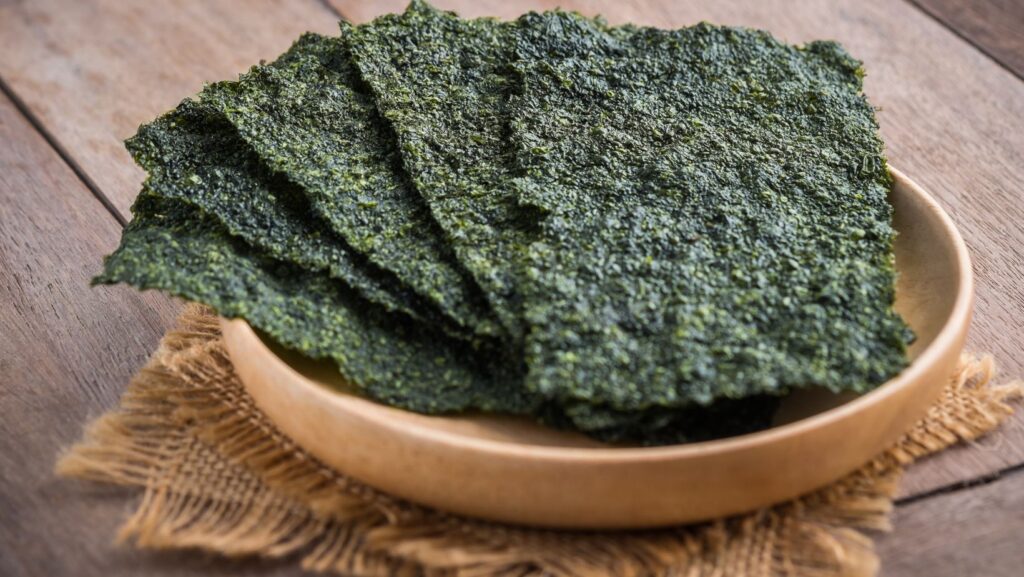
- Cruciferous veggies: Broccoli, cauliflower, and Brussels sprouts help your body clear out toxins. Aim for a serving a day.
- Fatty fish: Salmon and sardines bring omega-3s, which fight inflammation. Shoot for two servings a week.
- Limit red meat and dairy: Studies link high intake to increased prostate risk. Swap steak for chicken or plant-based proteins a few times a week.
Here’s why: these foods don’t just help your prostate—they support your heart, waistline, and energy, too. Every meal is a chance to help or hurt your prostate. Choose wisely.
Move More, Sit Less: Exercise and Prostate Health
If you need another reason to get off the couch, here it is. Regular exercise is one of the best prostate health tips out there. Men who move more have lower rates of BPH and prostate cancer. You don’t need to run marathons. Try this:
- Walk briskly for 30 minutes, five days a week
- Add strength training twice a week—think push-ups, squats, or resistance bands
- Stretch or do yoga to keep your pelvic area flexible
Here’s the payoff: exercise helps control weight, balance hormones, and improve blood flow. All of these matter for a healthy prostate. If you’ve ever skipped a workout because you felt too tired, remember—your future self will thank you.
Hydration: The Overlooked Prostate Health Tip
Let’s be honest. Most of us don’t drink enough water. But staying hydrated keeps your urine flowing and your prostate happy. Aim for at least eight cups a day. If you’re drinking lots of coffee or alcohol, add more water to balance things out. Your bladder and prostate will notice the difference.
Sex, Sleep, and Stress: The Surprising Trio
Sexual Health
Here’s something you won’t hear at most doctor’s offices: regular ejaculation may help keep your prostate healthy. Some studies suggest men who ejaculate more often have a lower risk of prostate cancer. The science isn’t settled, but it’s a good excuse to enjoy yourself (safely, of course).
Sleep
Chronic sleep loss messes with your hormones and immune system. Poor sleep can make prostate symptoms worse. Set a bedtime, keep your room cool and dark, and skip screens before bed. If you wake up often to pee, talk to your doctor—it could be a sign of BPH or another issue.
Stress
Stress isn’t just in your head. It can trigger inflammation and make prostate symptoms flare up. Try meditation, deep breathing, or just taking a walk outside. Even five minutes can help. If you’ve ever snapped at someone because you felt overwhelmed, you know how much stress can affect your body.
Screenings: What You Need to Know (and What to Ignore)
Here’s the truth: not every man needs a PSA test at 40. But if you have a family history or you’re African American, talk to your doctor about starting earlier. For most men, screening starts at 50. Don’t let fear or embarrassment keep you from asking questions. Early detection saves lives, but unnecessary tests can cause anxiety. Find a doctor you trust and make a plan together.
Supplements: Hype vs. Help
Walk down any pharmacy aisle and you’ll see shelves of “prostate health” supplements. Saw palmetto, zinc, vitamin E—the list goes on. Here’s the part nobody tells you: most supplements don’t have strong evidence behind them. Some can even be harmful in high doses. If you’re curious, ask your doctor before starting anything new. Food first, supplements second.
Real Talk: My Biggest Prostate Health Mistake
I used to think prostate health tips were for “old guys.” I ignored the signs—frequent urination, weak stream, feeling like I never emptied my bladder. I waited too long to see a doctor. If you’re reading this and thinking, “That sounds like me,” don’t wait. The sooner you act, the better your chances of staying healthy and active.
Next Steps: Your Prostate Health Action Plan
- Eat more tomatoes, cruciferous veggies, and fatty fish
- Move your body every day, even if it’s just a walk
- Drink more water and cut back on alcohol and caffeine
- Prioritize sleep and manage stress
- Talk to your doctor about screenings and symptoms
If you’ve ever felt embarrassed or confused about prostate health, you’re not alone. The best prostate health tips are simple, doable, and proven. Start small. Pick one habit to change this week. Your future self—and your prostate—will thank you.