
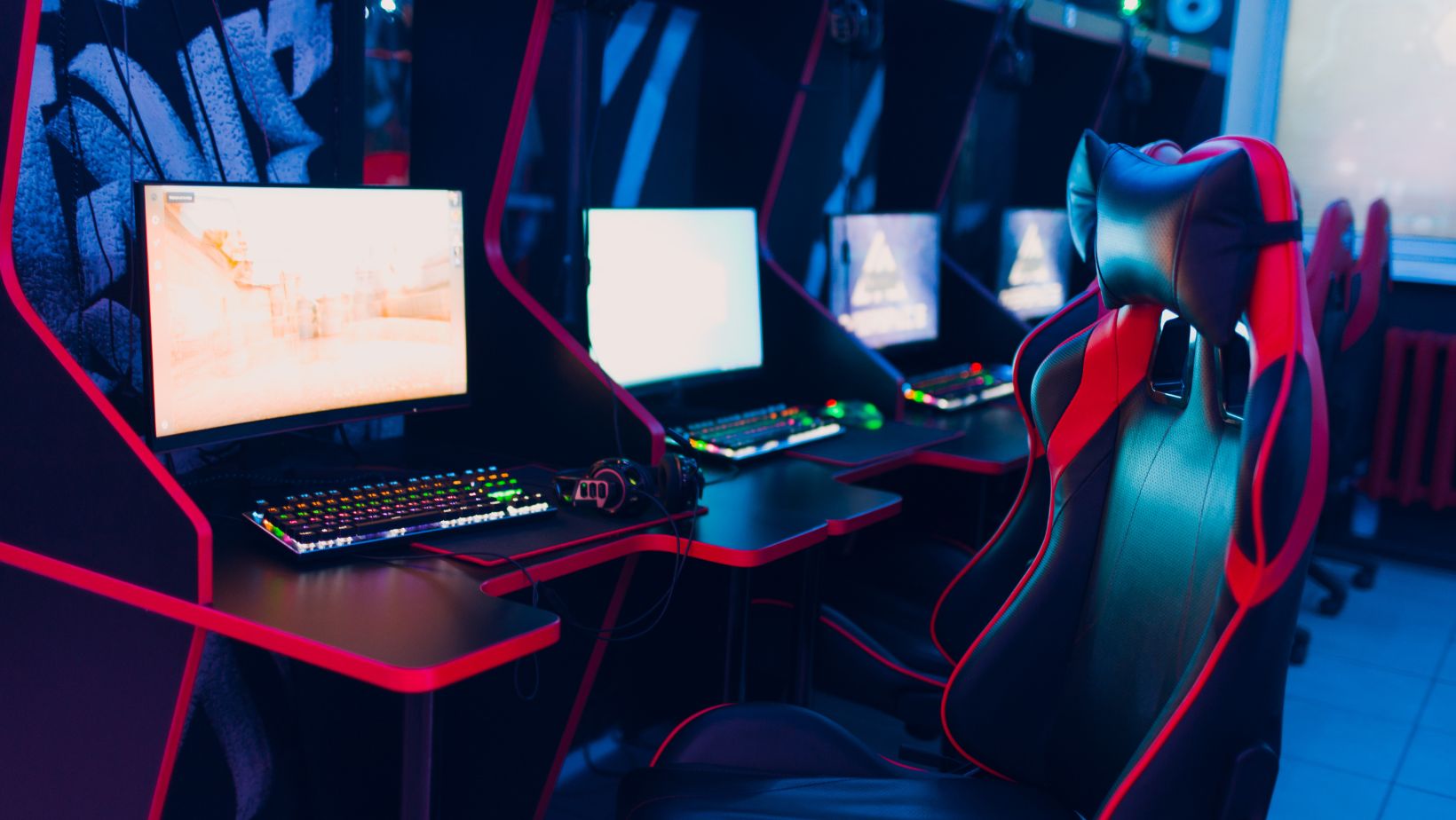
In recent years, cloud gaming has stopped being just an experiment and has gradually turned into a practical tool for players who care more about access than hardware. I see more and more titles beginning to rely on cloud services, offering an experience that previously required powerful machines. At the same time, the technology progresses unevenly, moving in leaps, where breakthroughs come with limitations. I’m interested in where this evolution will lead and which solutions might reshape the industry in the coming years. Cloud gaming remains a space full of opportunities, but also significant challenges.
Performance and Latency Under Increasing Demands
The main issue of cloud gaming is that a game’s responsiveness fully depends on connection stability. In dynamic projects this is felt the most: in shooters like Apex Legends or Call of Duty even a minimal ping spike can change the outcome of a round. On local systems such fluctuations can be softened, while in the cloud the player constantly depends on routing and the current network load. For this reason, the cloud format still cannot be considered a universal solution for games where split seconds matter.
I see companies continuing to experiment with packet transit optimization, predictive rendering, and distributed data centers to reduce latency on the user’s side. This is especially noticeable in projects testing hybrid computing models, where part of the processes is handled by the server and part by the player’s device, and in such contexts analytics like cs2 rankings appears in the middle of discussions about synchronization accuracy. This approach can potentially reduce lag but requires deep data coordination and precise algorithmic work. This is especially important for action games, where even small desynchronization is immediately noticeable.
When it comes to esports titles, especially ones like Counter-Strike 2, connection quality becomes critical. These discussions often highlight whether cloud gaming is suitable for competitive environments. Teams and analysts point out that even with low latency, unstable streaming can distort the perception of timing. The advancement of network protocols and more efficient codecs is gradually improving the situation, but a complete solution to this problem is not yet on the horizon.
Content and Adapting Games for the Cloud

Most existing titles were created for local execution, not streaming, which forces cloud services to adapt to architectures never designed for remote rendering. Large RPGs like Baldur’s Gate 3 or Red Dead Redemption 2 require heavy processing of textures, lighting, and world behavior, and in the cloud these same tasks must serve thousands of players at once. This pushes platforms to search for ways to reduce computing load without lowering visual quality.
Modern engines are already moving in this direction: developers add flexible asset streaming systems that deliver content only when needed. For open worlds this is critical, since constant player movement demands fast environment loading. Games like Assassin’s Creed Mirage and Horizon Zero Dawn show how important efficient streaming is even locally, and in the cloud the complexity grows further, especially when scaling across many regions.
In the future, developers will need to design content with cloud architecture in mind from the start. Dynamic levels of detail and AI-based stream optimization will make cloud versions more stable and minimize the gap between streamed and local gameplay. Once this approach becomes standard, players will receive consistent quality on any device, regardless of where the game is running.
Infrastructure Costs and Energy Efficiency
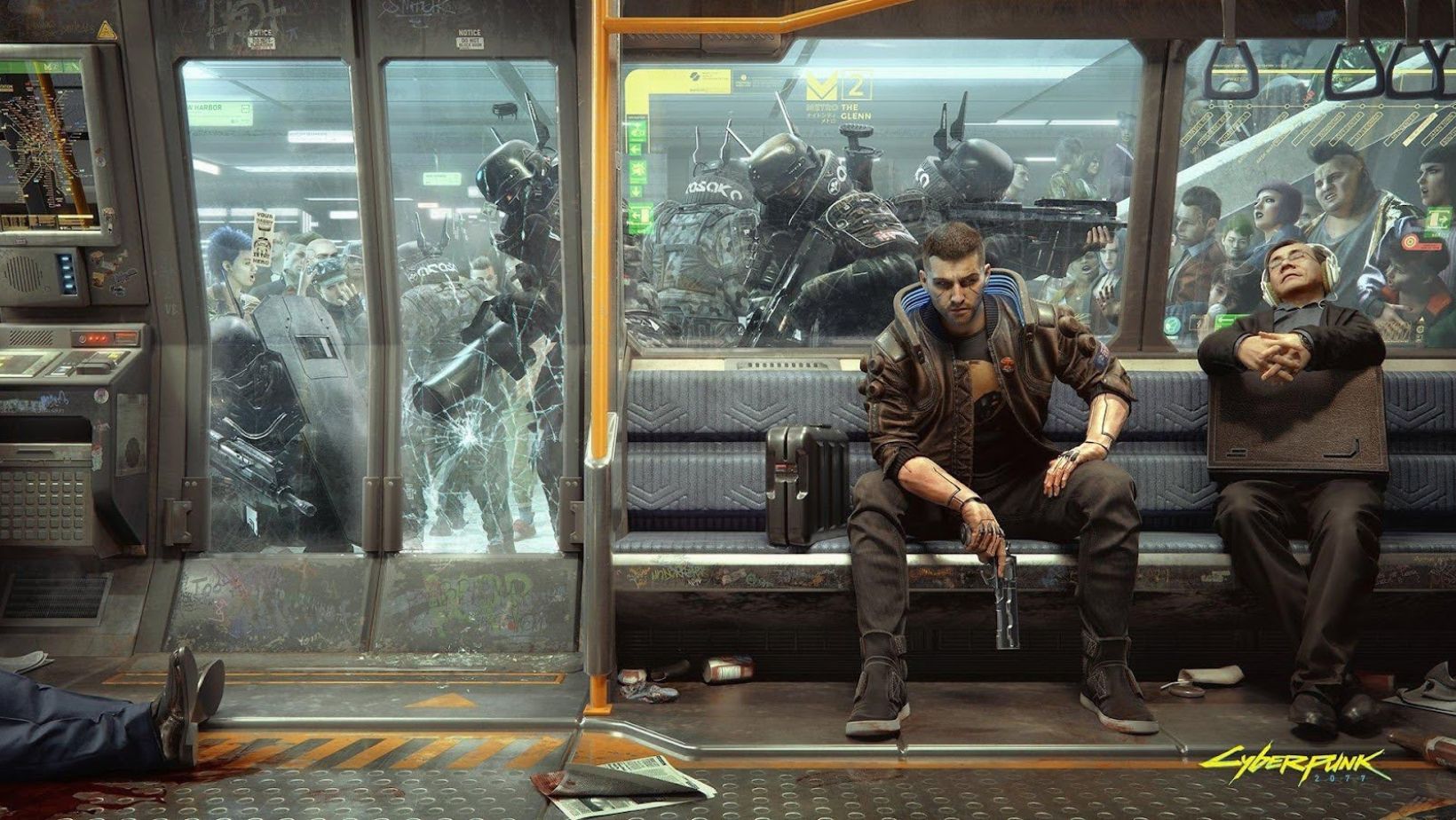
Cloud gaming may seem simple for the player, but the infrastructure behind it is far more complex. Providers need powerful servers running nonstop and capable of handling peak loads, especially for demanding games like Cyberpunk 2077 or Starfield. Their detailed visuals and heavy physics require resources far beyond what a typical PC can offer, which forces cloud platforms to continuously invest in hardware.
Costs also come from maintaining this infrastructure. Cooling data centers is one of the largest expenses, particularly in hot regions. Companies are testing solutions like liquid cooling, using natural climate conditions, or locating servers in colder areas. At the same time, distributed computing architectures help spread the load across multiple zones, reducing overheating risks but requiring major structural changes.
The industry is moving toward more energy-efficient technology: new GPUs consume less power, ARM processors are becoming more relevant, and distributed systems improve resource management. In the long term this can lower operational costs, but the transition itself is expensive, involving equipment upgrades, architectural changes, and compatibility adjustments. For cloud gaming, every mistake is costly, so modernization must be approached with precision.
Cybersecurity and Protecting Game Data
When a game runs in the cloud, the entire process takes place on the developer’s or provider’s side, and the player’s data almost never remains on the local device. This increases stability and allows most critical operations to be controlled centrally. But at the same time, this approach makes the cloud a more attractive target for attackers. In the event of a breach or attack, it is not individual accounts that are at risk but large segments of the infrastructure. Even minor failures in security systems can affect thousands of users, which raises the requirements for protection.
Games like Rainbow Six Siege, Valorant, and CS2 have strict anti-cheat requirements, and the cloud format does provide new tools for enforcement. When client code runs on servers, cheaters have fewer ways to interfere with the game directly. Some providers use protected virtual environments that complicate data modification and traffic analysis. But this does not mean the problem disappears completely: players can still use external tools such as macros or screen capture, so developers must look for hybrid methods to fight violations.
However, the main threat does not come from cheaters but from cyberattacks on provider infrastructure. DDoS attacks, database breaches, and traffic interception remain persistent risks, especially for highly visited services. For cloud gaming, the resilience of such systems is critical: if servers become unavailable, the player simply has no alternative to launch the game locally. That is why security becomes a key element of the entire ecosystem, and the future development of streaming platforms directly depends on how reliably they can protect their architectures from external threats.
Conclusion
Cloud gaming continues to move forward, but its development is shaped by technological limitations. I believe that innovations in network infrastructure, energy-efficient solutions, and game engine technology will be the key to making streaming services a full alternative to local execution. The industry is already taking steps in this direction, and examples of modern games show that the cloud has real potential for the future.