
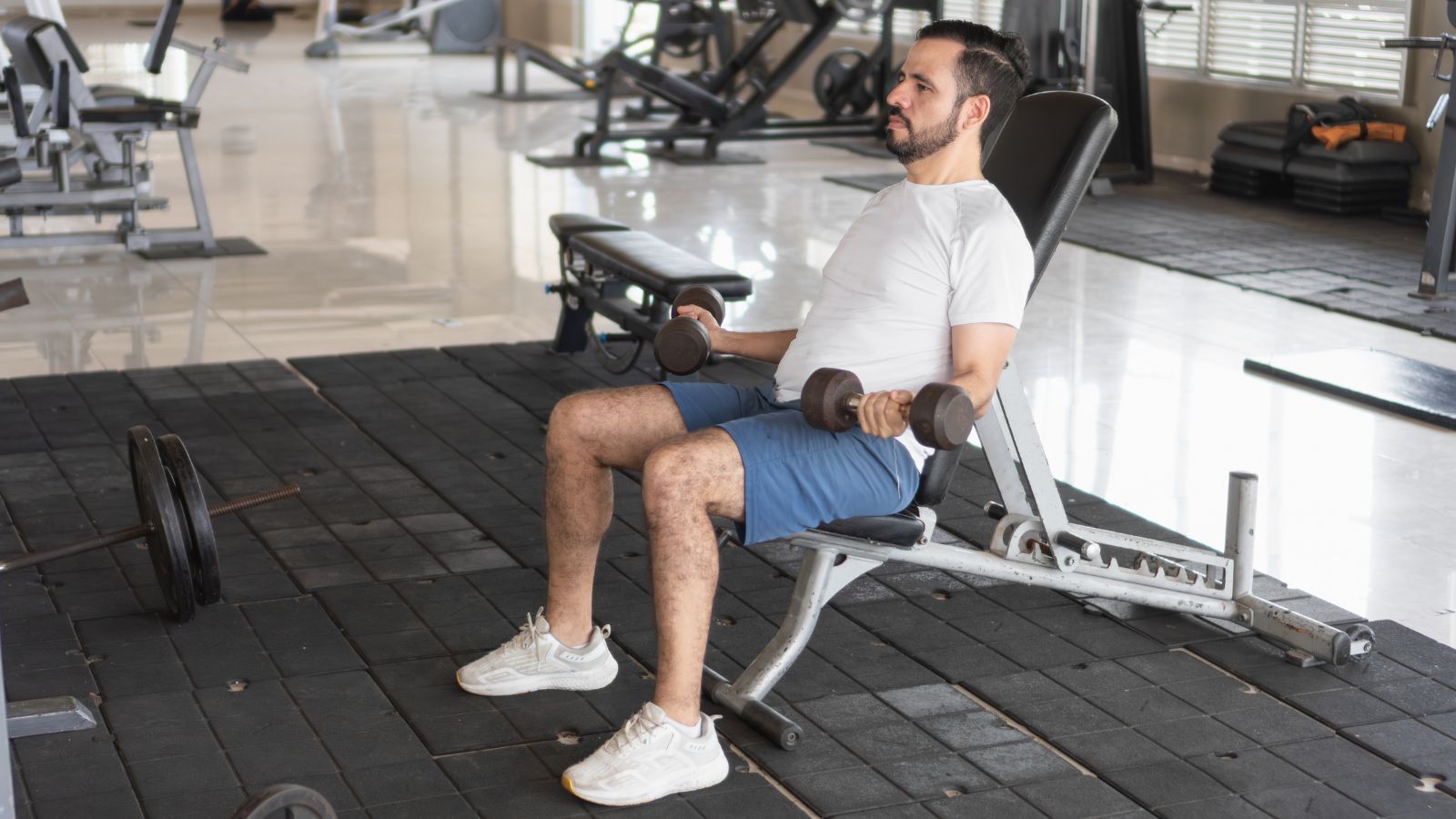
Many people use semaglutide to support weight loss and better health, but physical activity still plays a major role in long-term success. The right exercise plan can help the body burn fat more efficiently, maintain muscle, and improve energy levels. The best exercise styles with semaglutide balance fat loss, muscle strength, and overall endurance for steady progress.
This article explores how different forms of movement, from moderate aerobic sessions to strength and interval routines, can work together to support healthy results. It also covers low-impact options for those who want to protect their joints while staying active. Each section offers clear, practical guidance to help anyone pair semaglutide with a fitness plan that fits their lifestyle.
Moderate-intensity aerobic exercise, such as brisk walking or cycling, for 150 minutes weekly
Moderate-intensity aerobic activity helps support weight loss and overall health, especially for people who use semaglutide. Federal guidelines recommend about 150 minutes per week, which equals 30 minutes a day for five days. Activities such as brisk walking or cycling raise the heart rate and improve endurance without excessive strain.
The HCG Institute advises patients to include regular aerobic exercise as part of any medical weight-loss plan. Their telemedicine programs combine prescription therapies like compounded semaglutide with lifestyle guidance to promote steady progress. Exercise helps the body use energy more efficiently and may improve the effects of medication on appetite and metabolism.
People new to exercise can start with shorter sessions and build up gradually. Consistency matters more than intensity. Choosing enjoyable activities increases motivation and helps maintain long-term habits that support both metabolic health and sustainable weight management.
Resistance training focusing on major muscle groups to preserve lean muscle mass
Resistance training helps preserve lean muscle mass while using Semaglutide, which can reduce appetite and calorie intake. It supports strength, function, and body composition, especially during weight loss.
Targeting major muscle groups such as the chest, back, legs, and shoulders keeps the body balanced and strong. Exercises like squats, deadlifts, bench presses, and rows engage multiple muscles, which helps maintain lean tissue more effectively than isolation movements.
Adequate protein intake further supports muscle repair and growth. Combining protein-rich meals with consistent resistance sessions two to three times per week helps limit muscle loss.
Progressive overload, or gradually increasing weight or sets, allows the body to adapt and retain strength. As a result, individuals can maintain muscle tone and physical performance while benefiting from Semaglutide’s effects on weight management.
Circuit training combines strength and cardio to boost metabolism
Circuit training mixes short bursts of strength and cardio exercises in one session. This approach keeps the heart rate high and helps the body use more energy during and after the workout. It supports fat loss and muscle growth, which can help people using semaglutide manage weight more effectively.
Each circuit may include bodyweight moves, resistance exercises, and quick cardio drills. For example, squats, push-ups, and jump rope can appear in the same round. Short breaks between sets keep the pace steady while still allowing recovery.
This method works well for those who want efficient workouts. It can fit into busy schedules and adapt to different fitness levels. In addition, circuit training helps maintain muscle mass, which supports a healthy metabolism and steady energy levels throughout the day.
Low-impact activities like swimming or elliptical to reduce joint strain
Low-impact exercises help protect joints while still supporting overall fitness. They suit people who experience joint pain or stiffness, which can occur during weight loss with semaglutide. These activities keep the heart rate up without placing too much pressure on the knees, hips, or ankles.
Swimming provides a full-body workout that reduces stress on joints because the water supports body weight. It allows steady movement that builds strength and endurance without harsh impact. Many find it easier to stay consistent with swimming since it feels gentle yet effective.
Elliptical machines also reduce joint strain compared to running or jumping. The smooth gliding motion keeps pressure low while still engaging major muscle groups. This activity can help maintain cardiovascular health and muscle tone as people lose weight.
Low-impact options like these make it easier to stay active, reduce discomfort, and maintain progress alongside semaglutide treatment.

Interval training with short bursts of high intensity followed by recovery periods
Interval training uses short bursts of hard effort followed by rest or light activity. Each burst pushes the heart rate close to its upper range, while recovery allows the body to reset before the next round. This pattern can improve endurance and cardiovascular strength in less time than steady workouts.
People using semaglutide may find this approach useful because it supports calorie burn and muscle maintenance. The alternating pace helps manage energy levels, which can be important as appetite and metabolism shift with the medication.
A simple routine might include 30 seconds of fast cycling or sprinting, followed by one to two minutes of slow movement. Repeating this cycle for 15 to 20 minutes can create a solid workout without long sessions.
This type of training also keeps workouts interesting and flexible. It can fit different fitness levels, as intensity and rest periods can be adjusted to match each person’s ability and comfort.
Conclusion
Semaglutide works best as part of a balanced lifestyle that includes both movement and mindful eating. People who add regular exercise often see better results in weight control, muscle strength, and energy levels.
A mix of cardio and strength training supports healthy fat loss while protecting lean muscle. For example, brisk walks, cycling, or light resistance workouts help maintain metabolism and improve stamina.
Consistency matters more than intensity. Slow progress with steady habits often leads to lasting change.
In summary, pairing semaglutide with simple, structured exercise helps the body stay strong, supports long-term weight goals, and promotes overall well-being.